
Carved Wood Drawers
Carved wood drawers bring together utility and ornament, offering sturdy storage shaped by centuries of craftsmanship.
Carved Wood Drawers
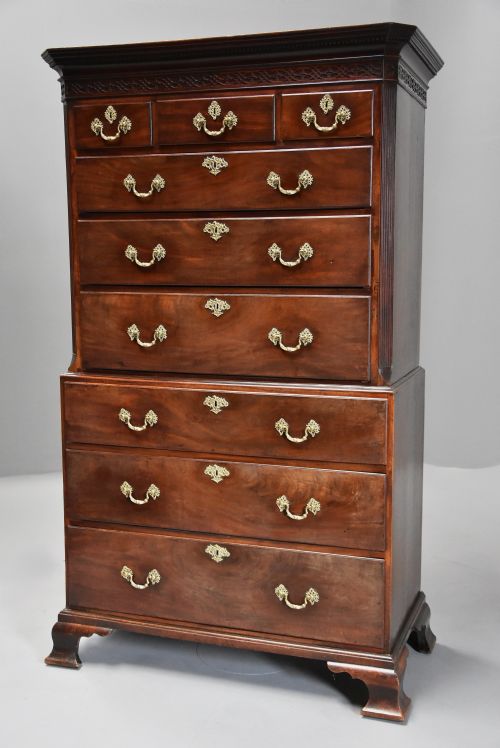
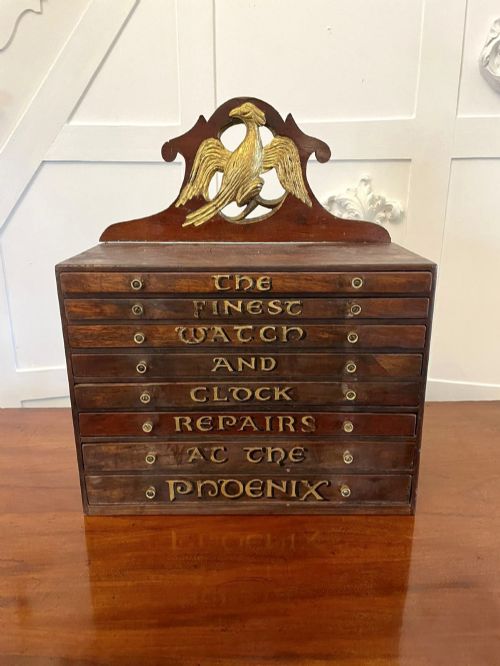
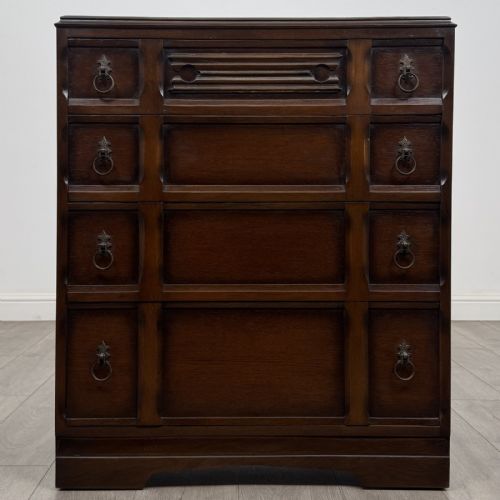
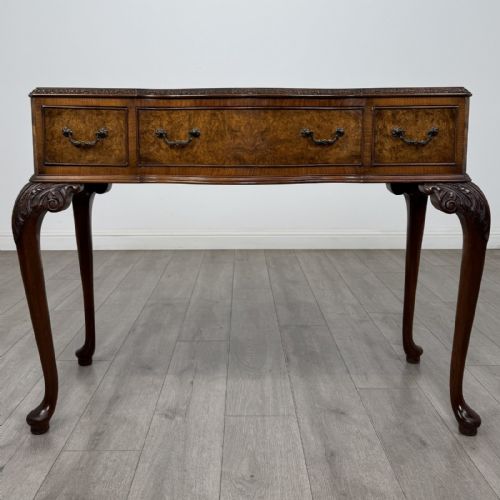
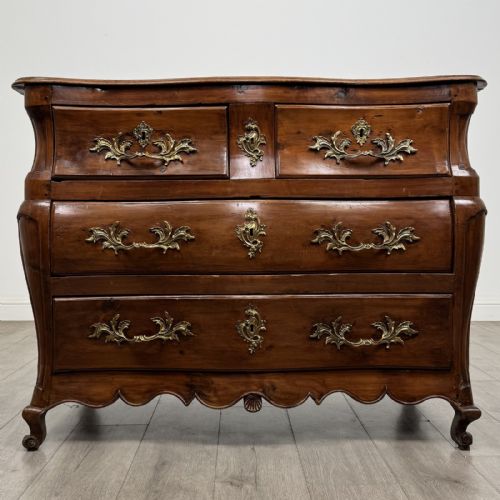
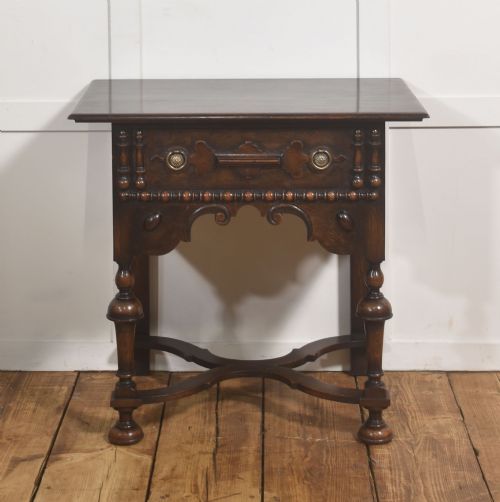
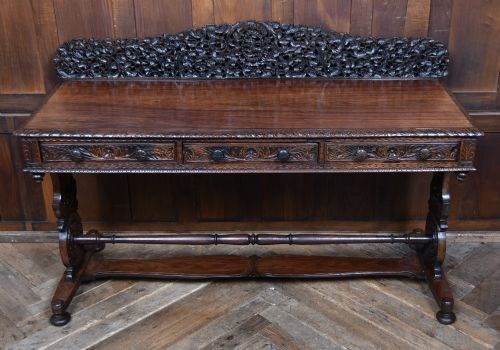
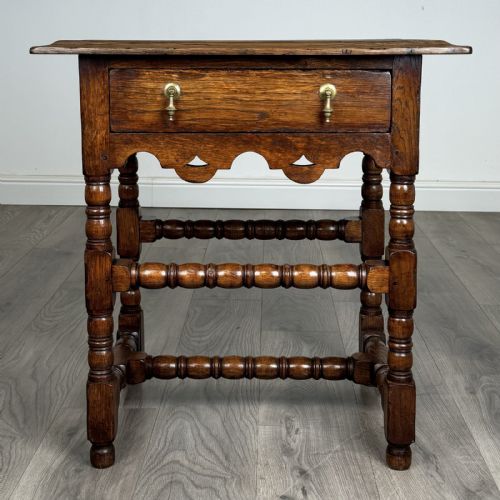
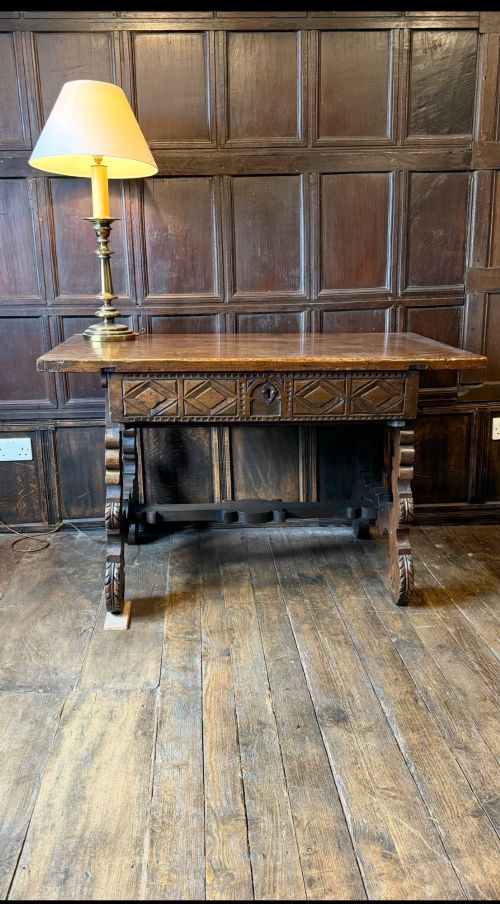
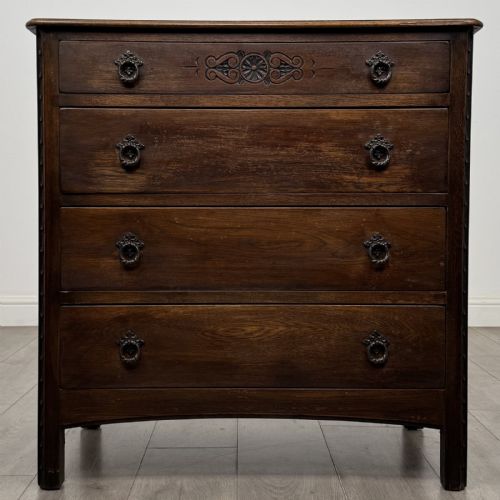
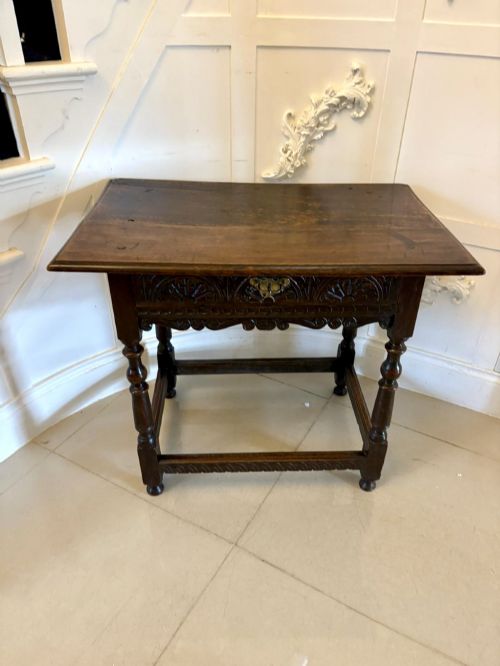
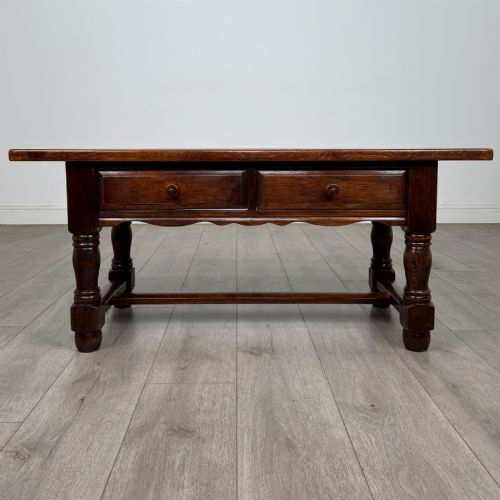
When you search for carved wood drawers, you encounter a diverse range of furniture forms spanning multiple centuries, from 17th-century oak pieces to Edwardian reproductions. These items appear primarily as chests of drawers, side tables, desks, and sideboards, each incorporating carved ornamentation into its primary structure.
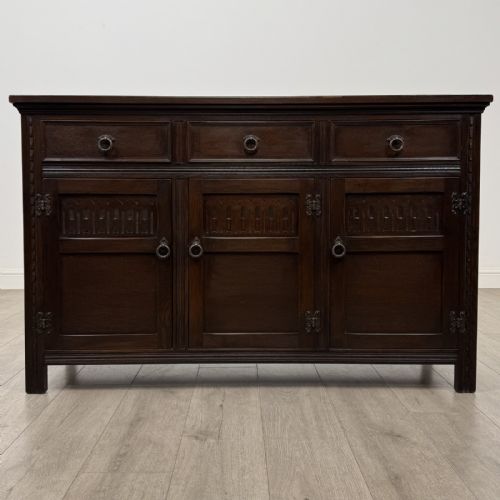
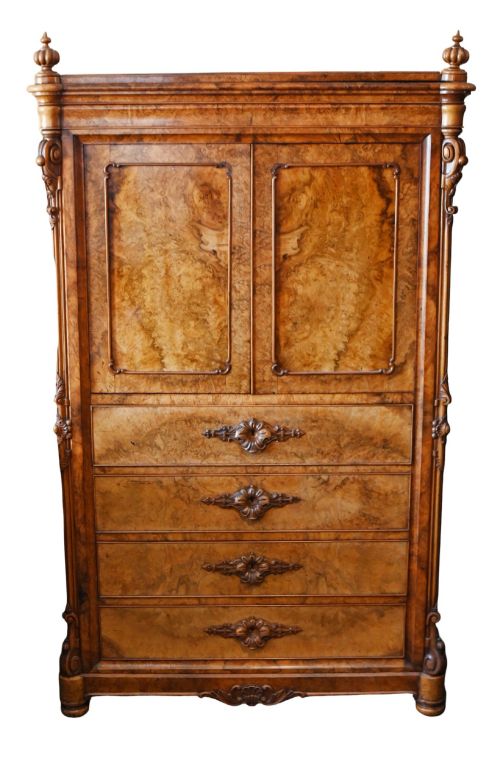
The Edwardian era and the 18th century are particularly well represented on this page, offering everything from heavy oak sideboards with linenfold panels to refined burr walnut writing tables and mahogany chests. Forms vary from compact writing desks and side tables to large banks of drawers and tall linen presses.
Regional styles range from English oak and mahogany designs to French provincial cherry bombe commodes and Italian walnut tables. Buyers find both monumental case furniture and smaller occasional pieces, all sharing a reliance on carved wooden details to define their character.
Materials and Construction
Cabinet makers relied heavily on solid hardwoods like oak, mahogany, walnut, and cherry, occasionally employing exotic woods such as padouk and rosewood for specific surface effects. Burr walnut and birds-eye maple veneers provided striking figured patterns on drawer fronts and cabinet tops.
Carving was executed directly into the solid timber framing or applied via decorative mouldings, whilst brass and iron hardware provided functional handles and escutcheons. Joinery techniques such as dovetailed drawer construction and mortise and tenon frames ensured structural longevity.
Listings feature oak, mahogany, walnut, rosewood, and padouk, spanning periods from the 17th century to 1920.
Assessing Quality and Execution
The distinction between standard items and superior examples lies in the crispness and depth of the timber carving, alongside the selection of figured veneers. Hand-carved details integrated into the structural frame demonstrate a higher level of artisan skill than applied or hastily chiselled motifs.
Timber selection dictates overall visual appeal, with richly grained burr walnut, figured mahogany, and quarter-sawn oak commanding attention. Original hardware, intact brasses, and smooth operation of the sliding drawers further separate exceptional historic pieces from altered or heavily restored equivalents.
The Carved Wood Drawers Glossary
- Bombe
- A bulging or convex swell on the front and sides of a chest of drawers, common in 18th-century continental furniture. This flowing contour requires advanced woodworking skill to shape accurately from solid timber or thick veneer.
- Burr Walnut
- A distinctively figured wood grain taken from the growth excrescences of walnut trees. Cabinet makers utilised these highly decorative veneers to create mesmerising patterns on drawer fronts and table tops.
- Linenfold
- A style of wood carving that mimics folded fabric or linen panels, frequently seen on Tudor and Edwardian oak furniture. This decorative motif adds texture to flat surfaces on cabinets and sideboards.
- Serpentine
- A curved line that sweeps inward in the centre and outward at the ends, often seen on the front edges of superior chest of drawers. This subtle undulating shape softens the boxy geometry of case pieces.
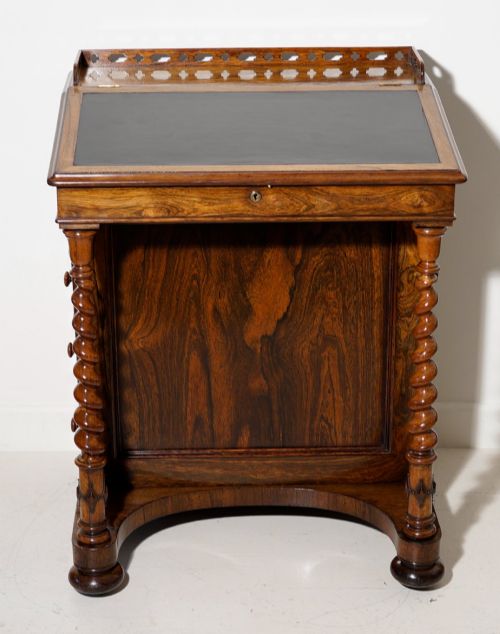
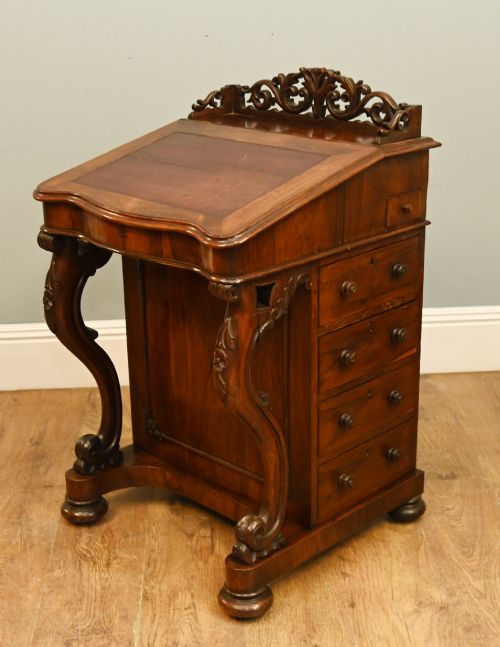
- Davenport
- A small compact writing desk featuring a sloping desktop and drawers accessed from the side. Victorian examples often incorporate stationery compartments and decorative pedestals.
Carved Wood Drawers: Frequently Asked Questions
What periods do these carved drawers originate from?
The selections span from the 17th century through the Georgian and Victorian eras up to Edwardian revivals and the early 20th century. Pieces reflect the prevailing architectural and design tastes of their respective decades.
Earlier examples display robust oak joinery, whilst later centuries embrace refined mahogany, walnut, and decorative provincial styles.
Are the brass handles and fittings original?
Many pieces retain their original period brasses, escutcheons, and drop handles, which show authentic signs of age and wear. Some items may feature period-appropriate replacements fitted during historical repairs.
Inspecting the interior of the wood around the hardware reveals whether older fixing holes have been filled or altered.
How should I care for antique carved wooden furniture?
Maintain a stable indoor environment away from direct heat sources and strong sunlight to prevent the timber from drying out or splitting. Dust regularly with a soft cloth and apply traditional beeswax periodically to nourish the polished surface.
Avoid commercial silicone sprays, as they build up residue and can damage historic finishes over time.