




Carved Wood Drawer Front
A carved wood drawer front brings immediate texture to a room, forming the decorative focus of chests, desks, and commodes.
Carved Wood Drawer Front
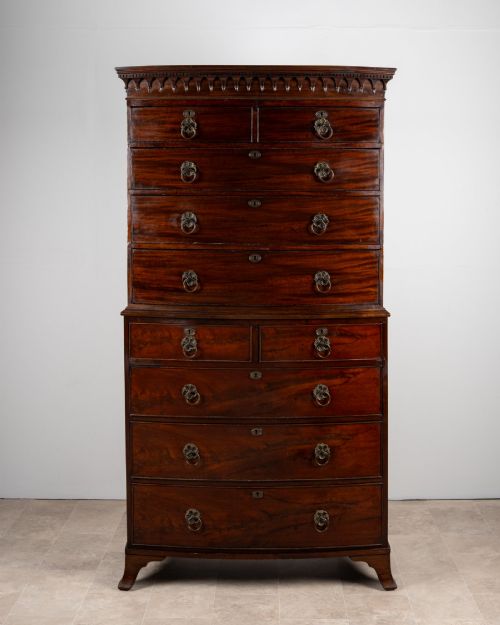
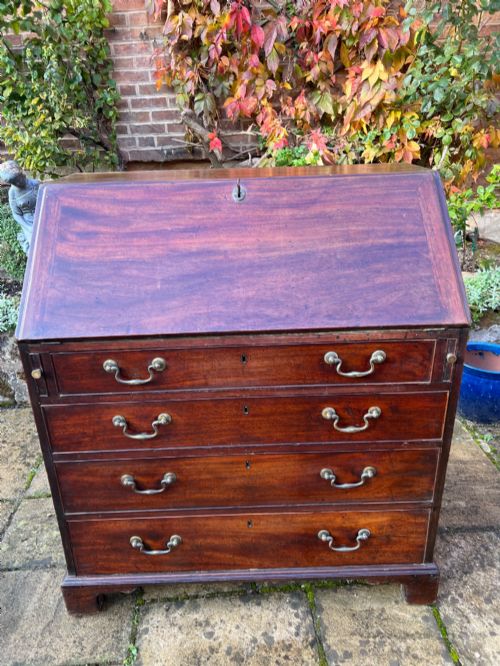
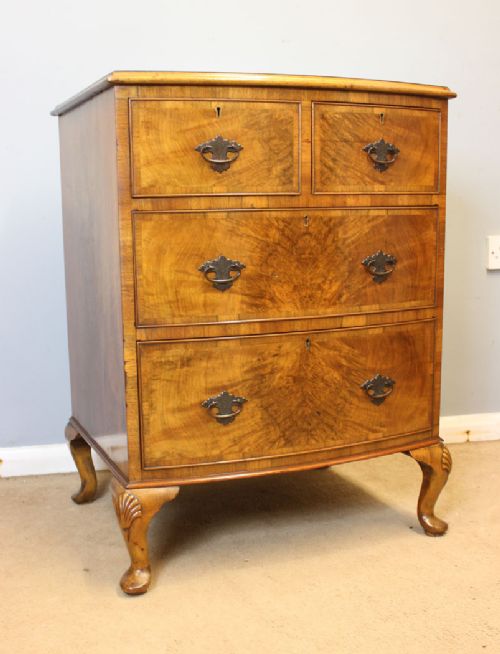
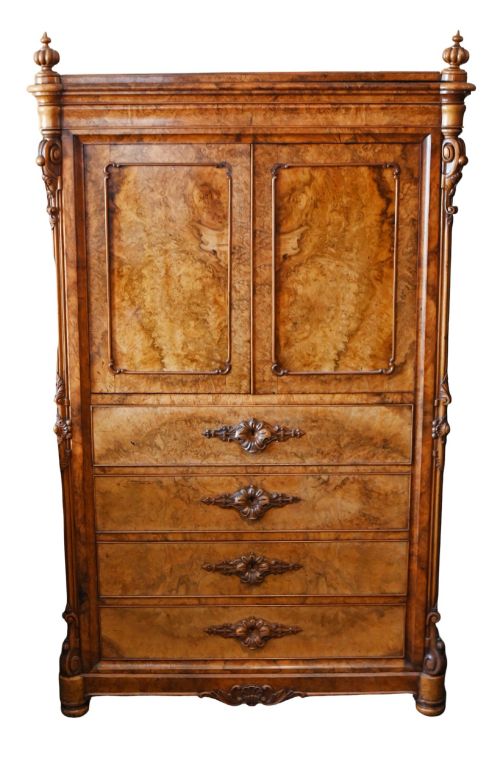
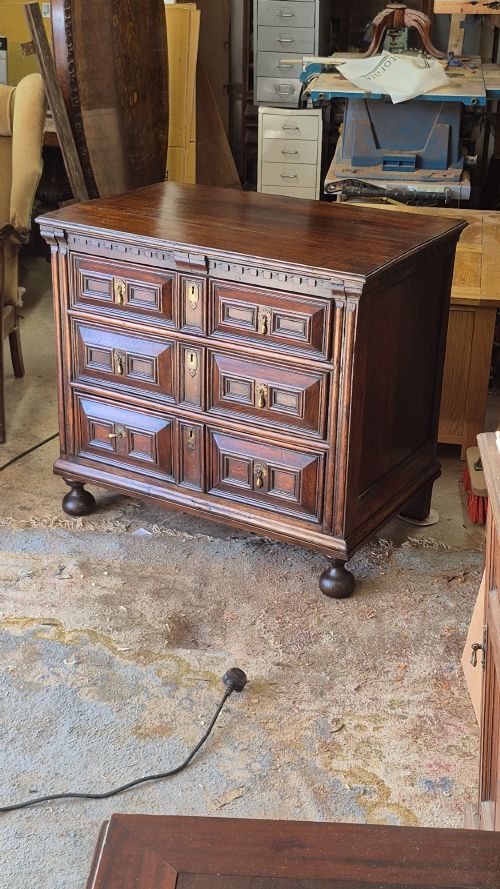
When you search for a carved wood drawer front, you are looking at the integral decorative faces of storage furniture such as chests of drawers, writing bureaus, and commodes spanning the eighteenth century through to the Edwardian period.
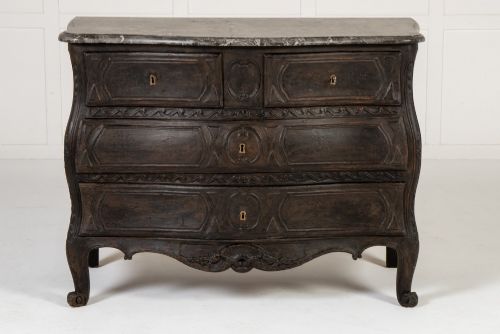
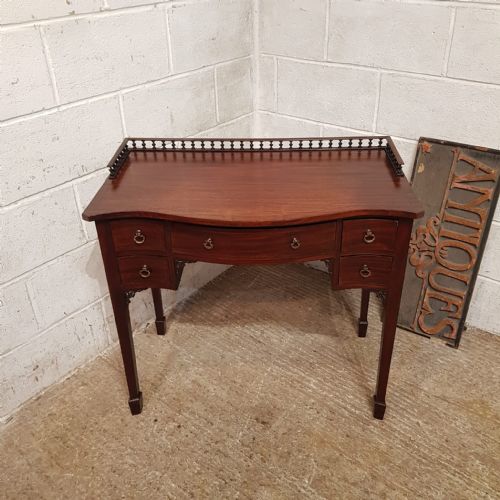
The versions most frequently met on this page include mahogany, oak, and walnut pieces from the Georgian and Victorian eras, alongside continental commodes and Edwardian writing desks.
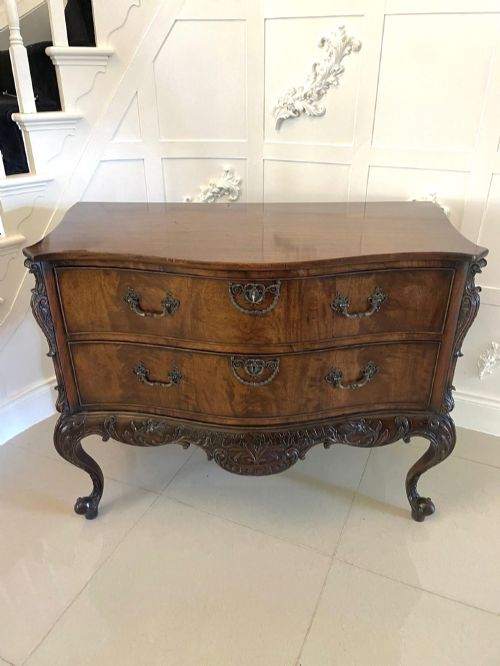
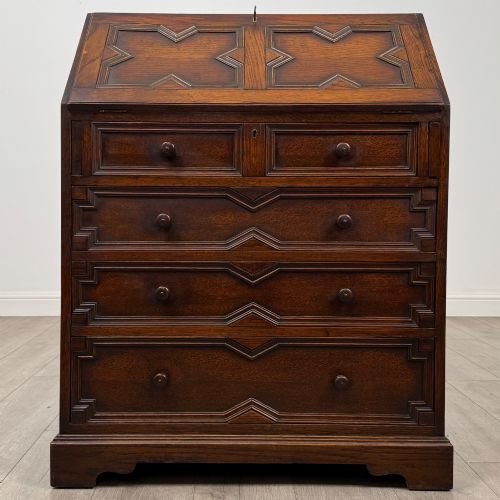
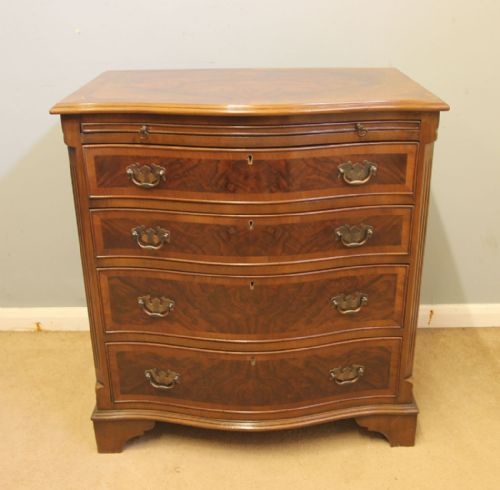
These items range from simple geometric oak fronts to shaped serpentine designs in figured mahogany and burr walnut, showcasing varied periods from seventeen-fifty onwards.
How they were made
Cabinet makers utilised solid timbers such as oak, walnut, and mahogany, frequently applying flame mahogany veneer, burr walnut, or birds-eye maple to create rich surface patterns.
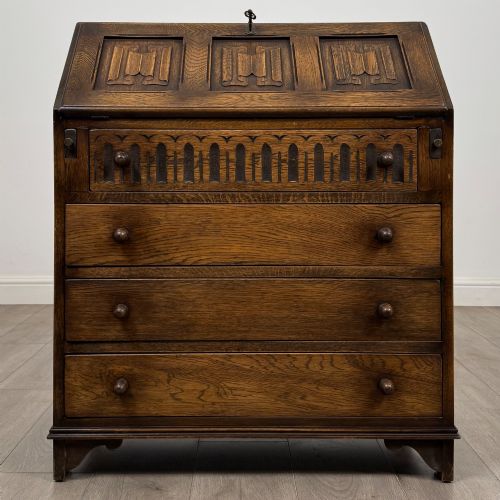
Carving, moulding, and shaping techniques defined the profiles, producing serpentine fronts, bombe contours, and linear linenfold panels using hand tools.
Hardware such as brass handles and drawer pulls completed the construction, mounted directly onto the timber faces.
Carved Wood Drawer Front Retail Price Guide 2026
Typical asking prices for carved wood drawer front among the pieces listed under this phrase on Sellingantiques today, from the lower quarter to the upper quarter. They describe what is for sale here now, not the wider market.
Some chests feature secret drawers hidden behind carved mouldings, keeping correspondence safe from prying eyes.
What varies in quality
The standard of timber selection sets the baseline for quality, distinguishing plain boards from highly figured burr walnut, olive-wood, and flame mahogany veneers.
The precision and depth of the physical carving or shaping, such as crisp linenfold panels or fluid serpentine outlines, determine the finesse of the maker's output.
Integrity of construction in the drawer framing and housing affects how well the timber responds over centuries of use.
Gregory and Co of London·Waring and Gillow
The Carved Wood Drawer Front Glossary
- Serpentine
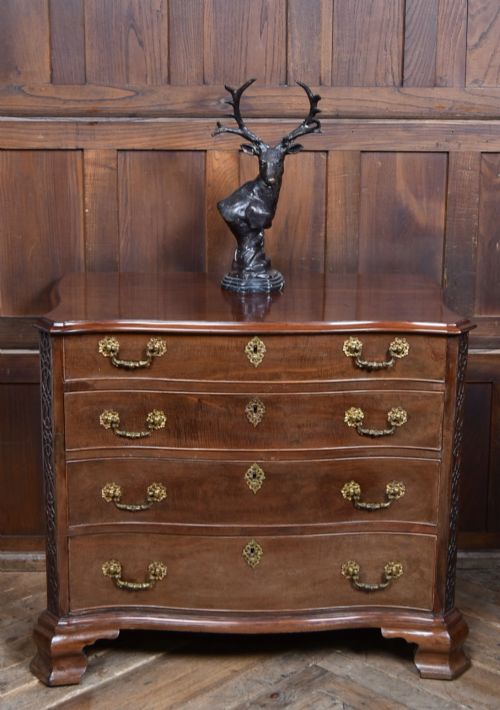
- A curved front shape with a convex centre flanked by concave sides. This rhythmic contour requires skilled woodworking to achieve balance across multiple drawers.
- Bombe
- A swelling, outward-curving commode or chest profile originating in continental European furniture making. It demands advanced joinery to shape the timber accurately.
- Linenfold
- A style of wood carving that mimics folded fabric or linen. It is frequently seen on early oak panels and bureau fronts.
- Bureau
- A sloping desk that opens to reveal internal compartments and small drawers. These pieces combine a writing surface with functional under-storage.
- Commode
- A low decorative chest of drawers or cabinet of continental European origin. They often feature serpentine outlines and elaborate wood veneers.
Carved Wood Drawer Front: Frequently Asked Questions
What periods do these pieces span?
The selection covers items from the mid eighteenth century through the Georgian and Victorian eras, extending into Edwardian and nineteen-twenty designs.
Craftsmanship styles range from early oak geometric work to later revival pieces and continental commodes.
How do I identify a serpentine front?
A serpentine front curves outward in the middle and curves inward toward the edges, creating a distinct undulating shape across the drawers.
This contour appears frequently on mahogany and walnut chests of drawers from the eighteenth and nineteenth centuries.
What wood types are most common?
Mahogany, oak, and walnut form the primary timber types found across these storage items.
Many pieces also incorporate decorative veneers including burr walnut, flame mahogany, and fruit-wood.
How were bureaus used historically?
Bureaus served as compact writing desks featuring a sloping fall-front that opened to create a stable writing surface.
Internal compartments and small drawers provided space for correspondence and personal documents.