



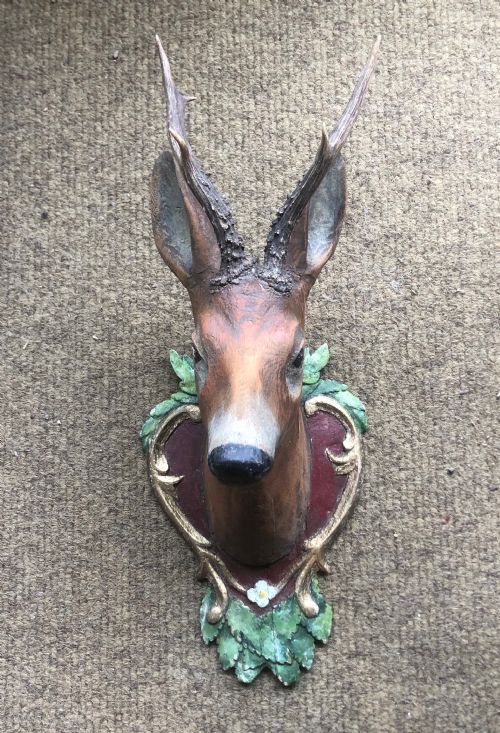
Carved Wood Deer
Carved wood deer bring the rustic depth of nineteenth-century forests straight into a room, offering enduring charm through masterly hand-carved forms.
Carved Wood Deer
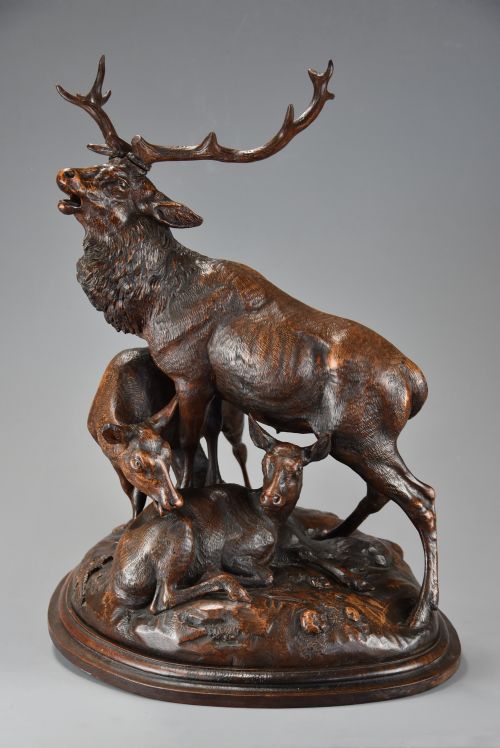
Carved wood deer encompass sculptural figures, wall-hanging trophies, and functional hallstands that emerge from nineteenth-century European traditions. When searching for carved wood deer, collectors frequently encounter Black Forest studies, Swiss fawns, and Swedish painted folk art interpretations.
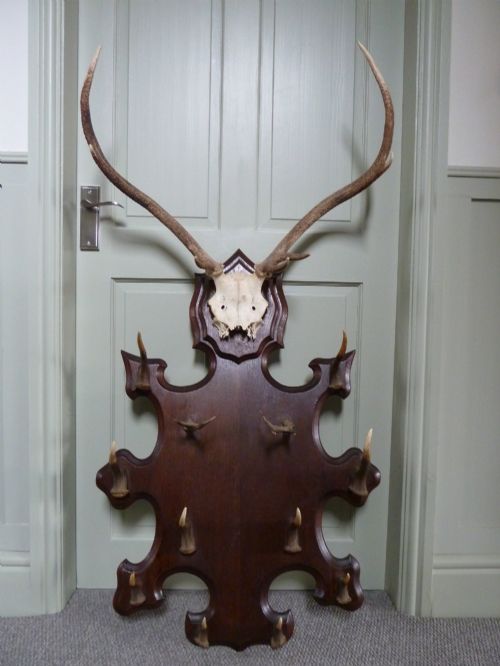
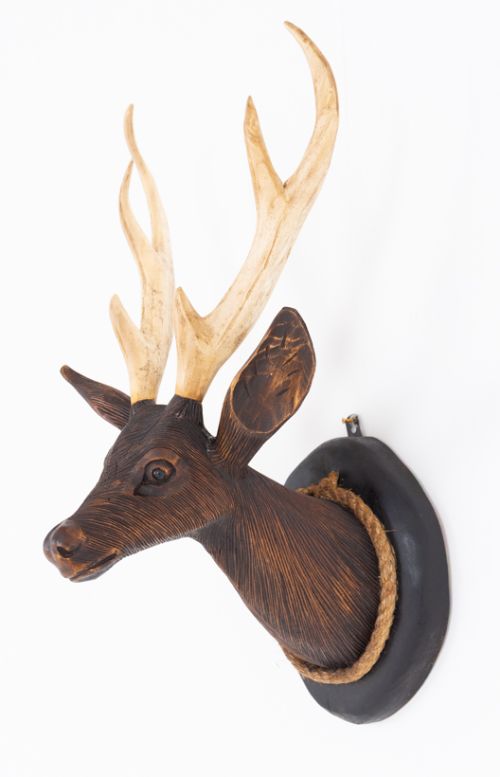
The objects span standing sculptures, wall-mounted stag heads, and antler-adorned coat racks created across the nineteenth and early twentieth centuries. Pieces often combine carved linden wood, oak, or general wood with natural horn and bone to achieve realistic or whimsical postures.
Domestic interiors benefit from these pieces through their dual role as sculptural art and practical furniture. They appear in styles ranging from Victorian country house furnishings to Scandinavian folk art.
How they were made
Carvers shaped these animals primarily from linden wood and oak, utilising hand-chisels to define muscular contours and textured coats. Linden wood offered the fine grain necessary for delicate facial expressions and detailed ear carving.
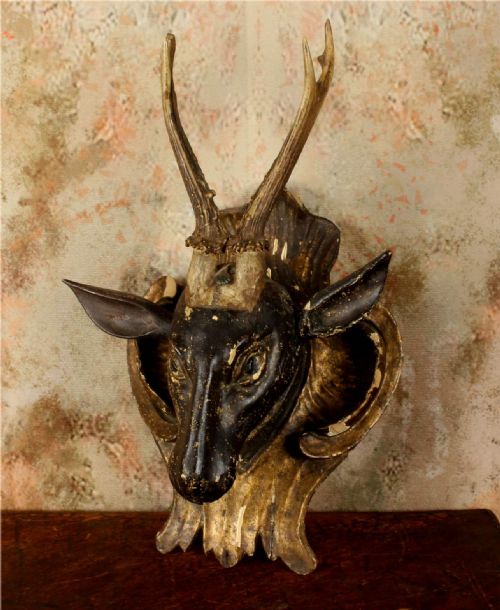
Makers integrated natural materials like red deer antlers, horn, and bone directly into the woodwork to form realistic crests and wall mounts. Painted finishes occasionally highlighted the folk art aesthetic on Swedish and Swiss creations.
Carved Wood Deer Retail Price Guide 2026
Typical asking prices for carved wood deer among the pieces listed under this phrase on Sellingantiques today, from the lower quarter to the upper quarter. They describe what is for sale here now, not the wider market.
A lifesize antelope stands ready among the deer, proving that nineteenth-century carvers occasionally let their exotic imaginations wander.
What varies in quality
Quality rests upon anatomical precision and the expressive depth achieved by the carver. Superior pieces display lifelike muscle tension and subtle textural detailing in the fur.
The integration of genuine natural materials, such as well-matched multi-point antlers combined with finely rendered wooden shields or heads, elevates the distinction of the work.
J. Huggler
The Carved Wood Deer Glossary
- Black Forest
- A style of ornate wood carving originating from the mountainous regions of central Europe during the nineteenth century. These items typically depict woodland animals with deep naturalistic detailing.
- Folk Art
- Artistic work created within a traditional culture by self-taught or local artisans. Such objects often exhibit charmingly stylised forms rather than strict academic proportions.
- Linden Wood
- A soft, pale timber favoured by carvers for its fine, even grain. It permits intricate knife work without splitting.
- Taxidermy and Trophy Mounts
- Preserved animal specimens or sculpted representations mounted for display. In wood carving, this translates to wooden heads adorned with real antlers.
Carved Wood Deer: Frequently Asked Questions
What periods do these pieces date from?
The available selection primarily dates across the nineteenth century, stretching from around eighteen-eighty into the early twentieth century.
Craftsmen from this era produced everything from Swiss Black Forest studies to Swedish painted folk art.
How were wall-hanging pieces used originally?
Many wall sculptures and mounted heads doubled as functional hat and coat racks in Victorian country house hallways.
They provided sturdy iron or wooden hooks beneath natural antlers to hold heavy outdoor garments.
Are the antlers on these pieces real?
Makers frequently incorporated genuine red deer antlers and horn directly into the carved wooden heads and shields.
This combination of carved timber and natural horn created a striking sense of three-dimensional realism.
How do I distinguish Black Forest style from folk art?
Black Forest carvings tend to focus on highly realistic anatomical detail and deep naturalistic texturing in the wood.
Folk art interpretations, such as painted Swedish examples, lean towards simplified or decorative charm.