

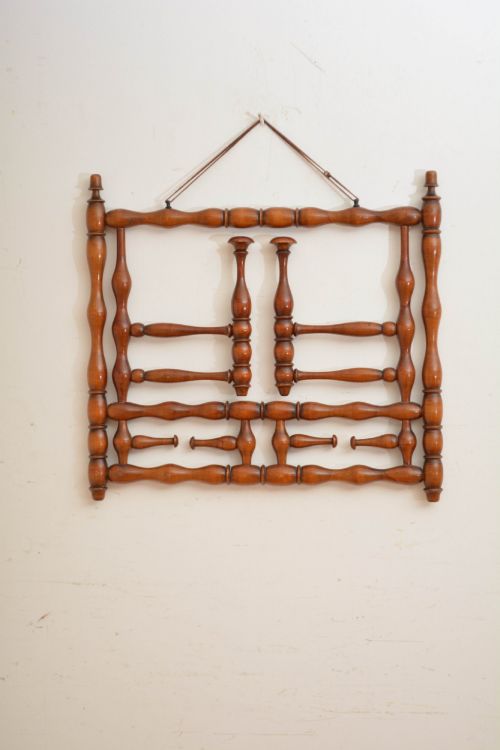


Carved Wood Coat Rack
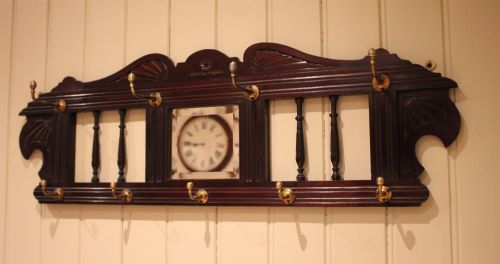
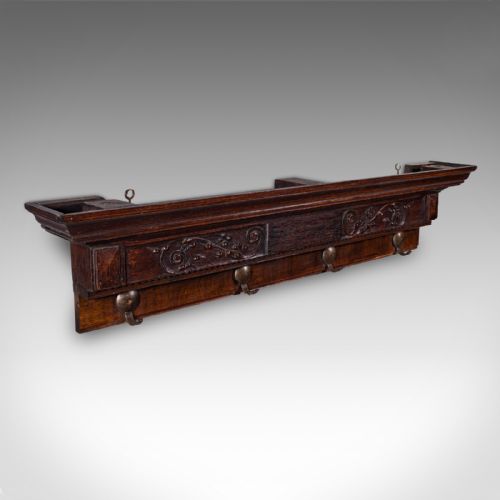
A carved wood coat rack brings utilitarian function into the hallway through imaginative animal motifs, rich timber grain, and practical brass or metal hooks.
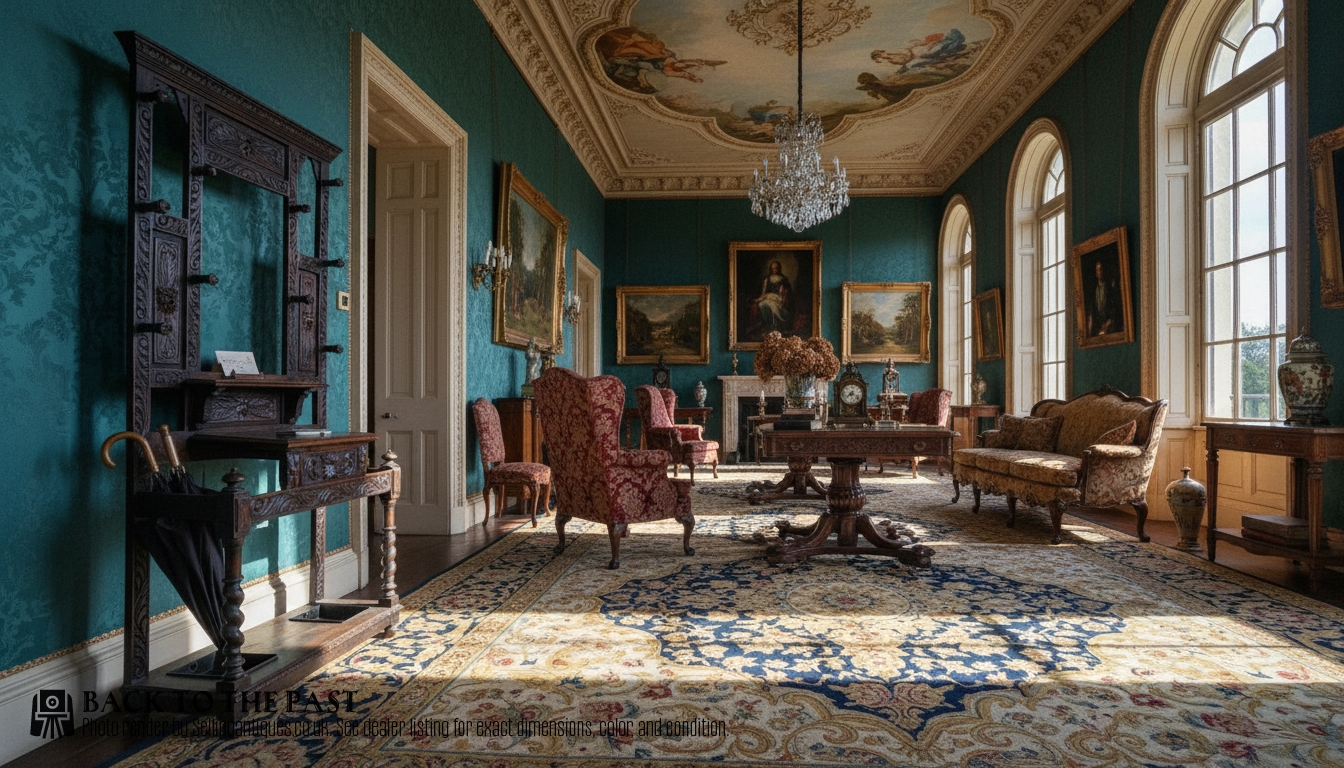
Carved Wood Coat Rack
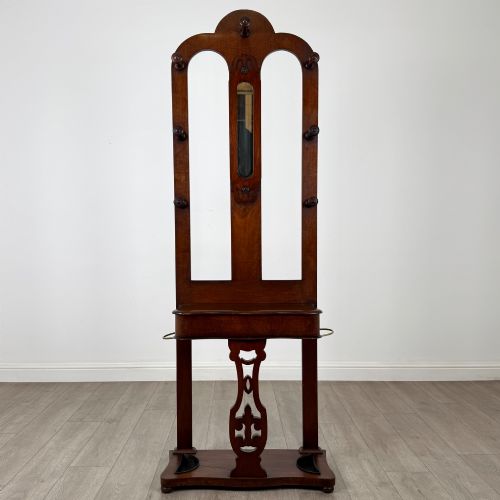
A carved wood coat rack encompasses wall-mounted hooks, combination hall mirrors, and freestanding hall stands designed to organise outerwear in entranceways and reception rooms. These domestic furnishings span periods from the eighteenth century through the Edwardian era, with Victorian examples appearing most frequently.
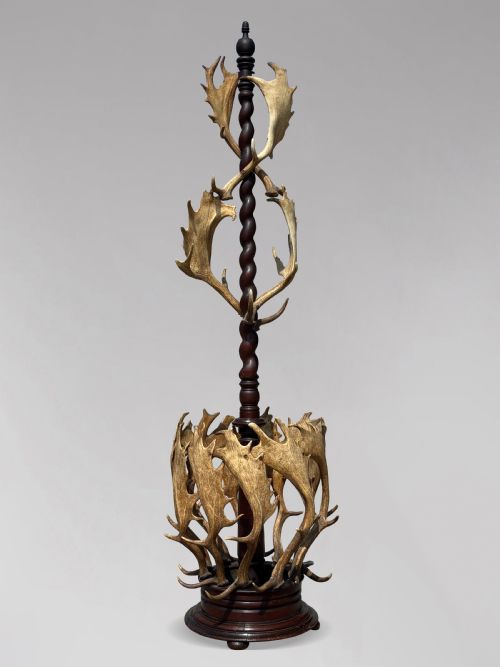
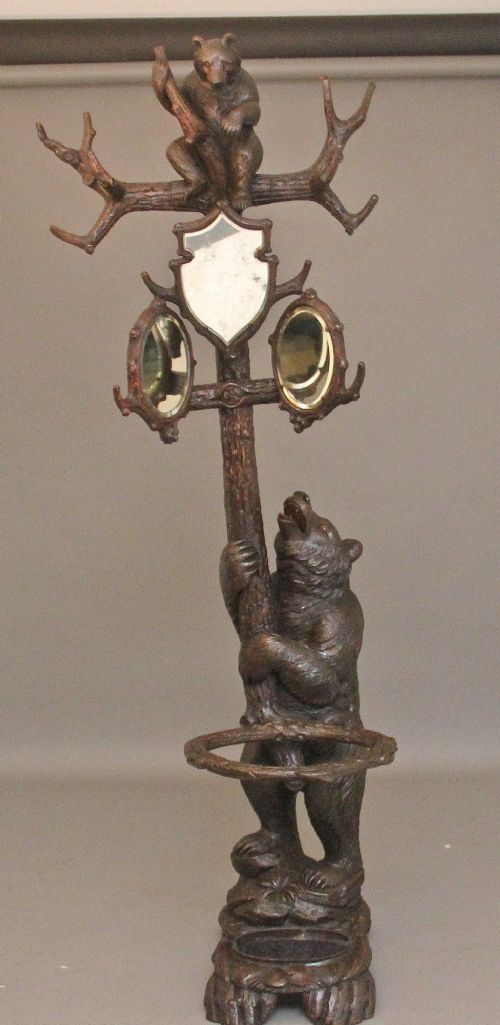
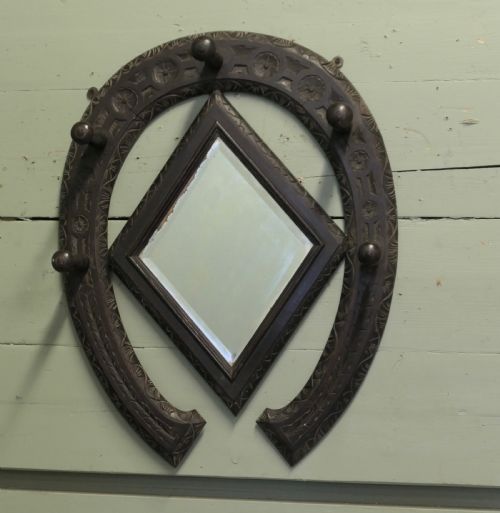
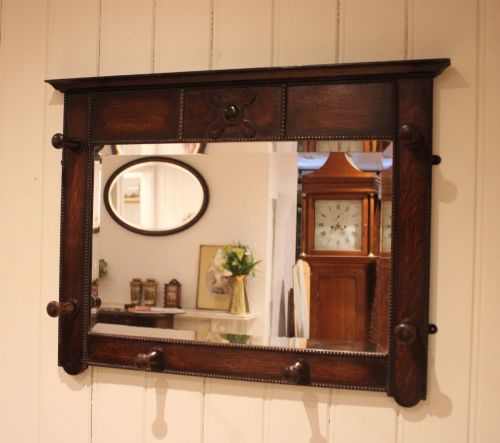
Makers utilised various functional forms, including compact wall racks fitted with brass hooks, elaborate Black Forest carvings featuring bears and chamois, and substantial mahogany or oak hall stands incorporating marble shelves and umbrella holders.
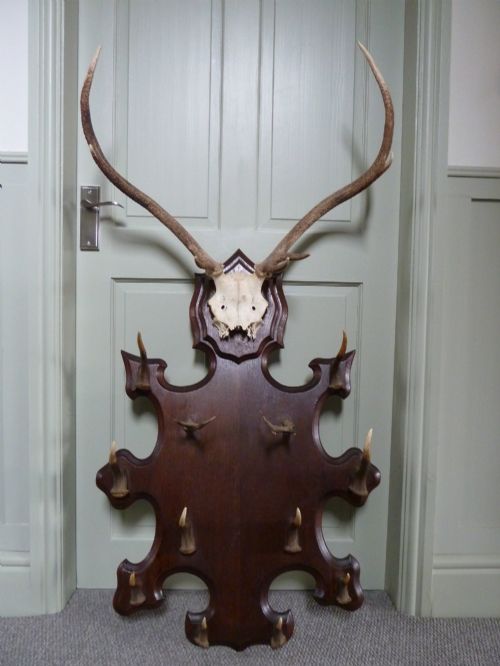
The selection ranges from simple provincial oak boards to grand exhibition pieces incorporating antlers, mirrors, and deep architectural mouldings.
What varies in quality
Quality reveals itself in the depth, precision, and naturalism of the wood carving, particularly in figurative or animal subjects where anatomical detail distinguishes superior work from routine production. The choice of timber also marks the grade, with dense, well-figured mahogany and walnut representing higher tiers.
Construction methods determine durability, separating simpler wall hooks from elaborate hall stands featuring integrated drip pans, bevelled mirrors, and substantial marble surfaces.
Bears, foxes, grooms, and eagles peer perpetually from nineteenth-century woodwork, guarding hats and coats with unwavering glass eyes.
J Parker of Woodstock
The Carved Wood Coat Rack Glossary
- Hall stand
- A large freestanding piece of furniture designed for an entrance hall, combining coat hooks, a mirror, umbrella storage, and frequently a small shelf or compartment.
- Black Forest carving
- Highly detailed wood sculpture originating from Central Europe, characterised by realistic animal figures such as bears, deer, and foxes integrated into furniture and wall racks.
- Bevelled plate
- A mirror glass with an angled edge ground down around the perimeter, adding a refined decorative dimension to wall-hung racks and hall stands.
- Greenman
- A sculptural architectural motif representing a human face engrafted with leaves, vines, or branches, found carved into Victorian oak furnishings.
- Valet
- A designated furnishing or rack intended for the orderly temporary placement of hats, coats, and accessories in a reception area or cloakroom.
Carved Wood Coat Rack: Frequently Asked Questions
What is a Black Forest hall stand?
A Black Forest hall stand is an elaborately carved wooden furnishing originating from nineteenth-century Switzerland or Germany. These pieces typically depict naturalistic animals such as bears, stags, or chamois integrated with branches and foliage.
They serve as both functional coat racks and dramatic sculptural centerpieces for large entrance halls.
How do I date an antique coat rack?
Dating relies on examining the timber species, joinery techniques, and stylistic markers such as Gothic Revival mouldings or Victorian turnery. Secondary elements like mirror glass thickness and brass hook design also provide clues to the period.
Comparing the overall form to dated examples helps narrow down the decade of manufacture.
Where should I place a hall stand?
Hall stands belong in entranceways, hallways, or spacious reception rooms where they can function practically for daily outerwear. Their vertical proportions suit blank wall spaces while providing immediate utility for hats, coats, and umbrellas.
Freestanding versions require sufficient floor area and clearance to avoid crowding a narrow passage.
What woods were commonly used?
Cabinetmakers primarily used durable hardwoods including oak, mahogany, and walnut for structural stability and rich grain appearance. Linden wood was frequently chosen for figurative carvings due to its fine grain and suitability for deep relief work.
Secondary woods sometimes appear in backing boards and internal framing.