



Carved Wood Child Chair
These carved wood child chair pieces offer miniature seating for the nursery, built to the standards of adult furniture.
Carved Wood Child Chair
A carved wood child chair brings domestic history into the room, offering small-scale seating produced across the nineteenth and early twentieth centuries. These miniature seats serve as decorative items or functional furnishings, reflecting the domestic habits of earlier households.
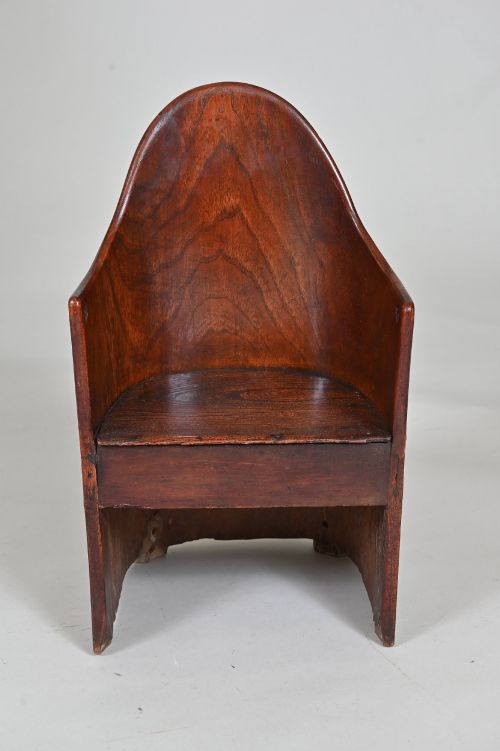
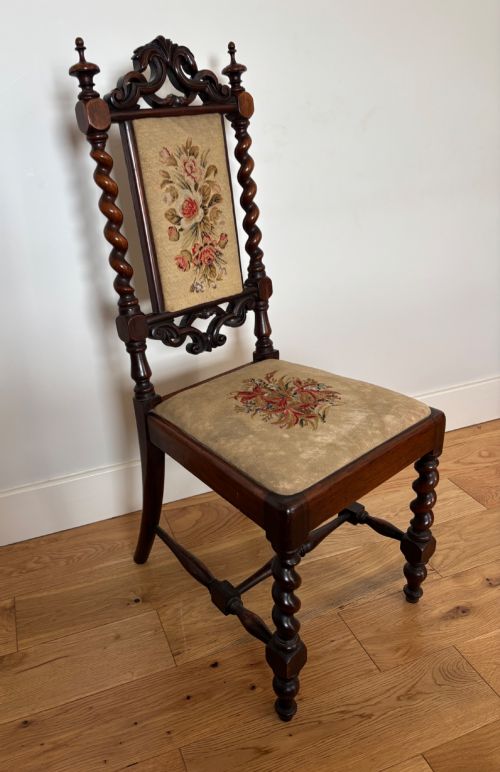
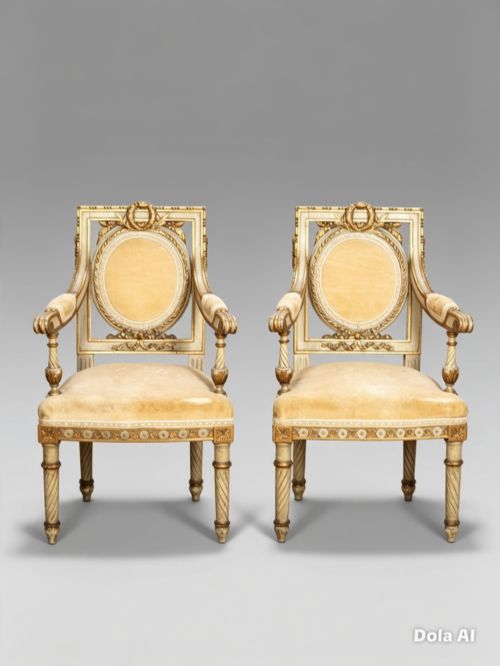
The pieces listed span Victorian, Regency, and early twentieth-century periods, showing forms from simple country Windsor chairs to formal French salon styles. Visitors frequently encounter Victorian examples in mahogany, oak, and rosewood, alongside rustic or primitive folk art variants.
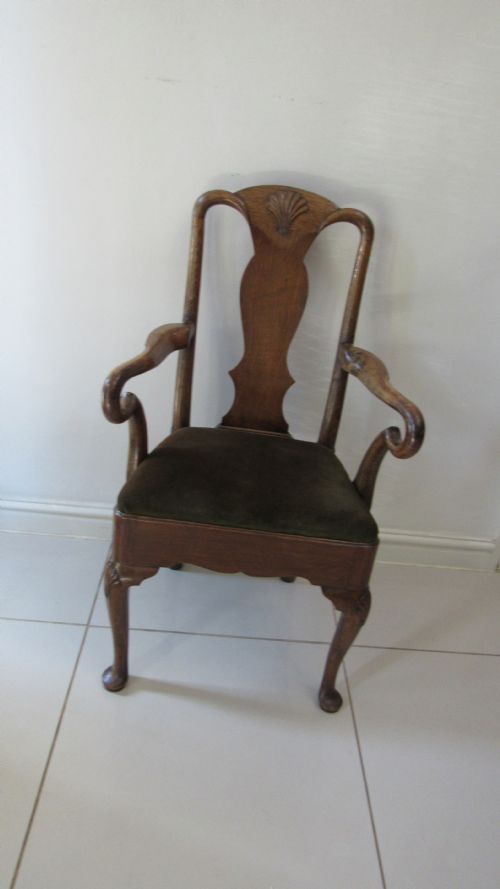
Makers constructed these chairs as smaller versions of adult seating, including armchairs, side chairs, rocking chairs, and commode chairs. Their scale indicates they were built specifically for children of affluent or middle-class families, though simpler vernacular items also exist in the record.
How they were made
Workshops utilised native and imported hardwoods including mahogany, oak, rosewood, and ash to build the frames of these small seats. Carpenters and turners shaped spindle legs, curved armrests, and supportive backs using traditional woodworking tools and joinery techniques.
Upholstery methods varied from simple rush and cane woven seats to padded pads covered in fabric, velvet, or needlepoint. Gilded and painted finishes appear on more formal French-influenced salon chairs, contrasting with the bare timber surfaces of rustic and primitive pieces.
Carved Wood Child Chair Retail Price Guide 2026
Typical asking prices for carved wood child chair among the pieces listed under this phrase on Sellingantiques today, from the lower quarter to the upper quarter. They describe what is for sale here now, not the wider market.
The listings show pieces spanning from the Regency period through to 1920, utilising ash, oak, mahogany, and rosewood.
What varies in quality
Quality rests in the precision of the timber carving and the integrity of the structural joinery holding the miniature frame together. Finer pieces display crisp botanical or classical motifs carved directly into the hardwood, whereas simpler vernacular examples rely on plain turned spindles and pegged joints.
The choice of materials dictates the tier of the piece, moving from standard ash and oak to select rosewood and gilded surfaces. Original upholstery elements, such as surviving cane work or early needlepoint, elevate the authenticity of the object over later replacements.
The Carved Wood Child Chair Glossary
- Bergere
- An enclosed armchair with upholstered back and sides, where cane or wicker often forms the surrounding panels. This French style appears in miniature nineteenth-century variants.
- Commode chair
- A piece of furniture enclosing a chamber pot beneath a seat with a pierced hole. Victorian examples combined this sanitary function with domestic seating.
- Windsor chair
- A wooden chair construction where the legs and back spindles are fitted directly into a solid sculpted seat. Ash and oak commonly form these sturdy vernacular pieces.
- Rush seat
- A woven seating surface made from twisted marsh grasses. This traditional method appears on country chairs.
Carved Wood Child Chair: Frequently Asked Questions
Were these chairs meant for children to use?
Most of these miniature seats were built for children of wealthy families, while others served as display pieces in nineteenth-century parlours and nurseries.
Their sturdy construction in hardwoods like oak and mahogany indicates they endured actual daily use by young occupants.
How do I identify a Victorian child chair?
Victorian pieces often feature dense timbers such as rosewood and mahogany, accompanied by turned wooden components and occasional needlepoint upholstery.
Makers working in this era frequently replicated adult furniture styles on a smaller scale for domestic nurseries.
What is a rush seat child chair?
A rush seat chair incorporates a woven seating surface made from dried marsh grasses fitted into a wooden frame.
This traditional technique provides a resilient, textured base commonly found on country and rustic antique chairs.
Can I use these antique chairs in a modern home?
These small chairs function well as decorative accent pieces in living rooms, bedrooms, or hallways.
Due to their miniature nineteenth-century scale, they are generally unsuited for adult seating but serve well for display or doll collection storage.