



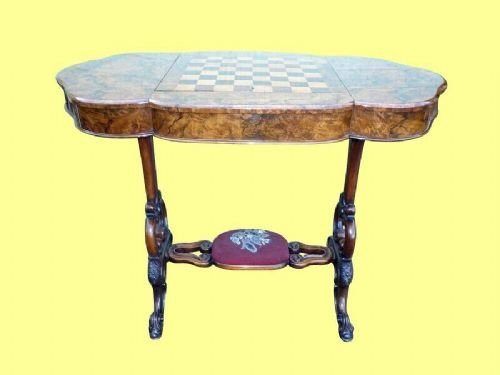


Carved Wood Chess
These carved wood chess pieces and tables bring tactile warmth and strategic play directly to your interior.
Carved Wood Chess
When you search for carved wood chess, you encounter a range of furnishings and sets designed for play and display. The selection spans games tables, chess sets, and compendiums originating from the nineteenth century and the Edwardian era.
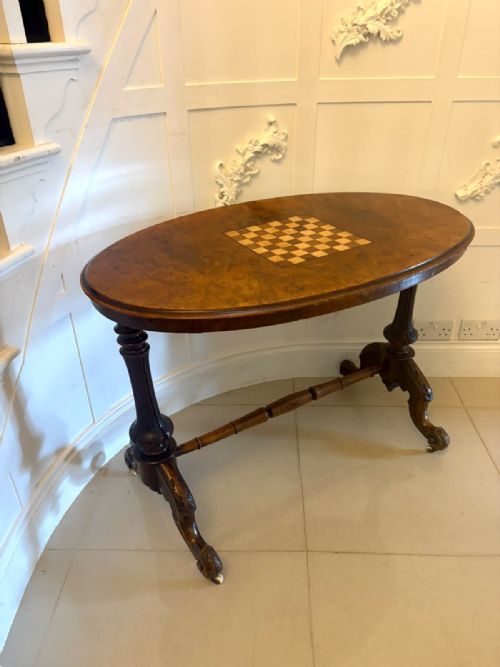
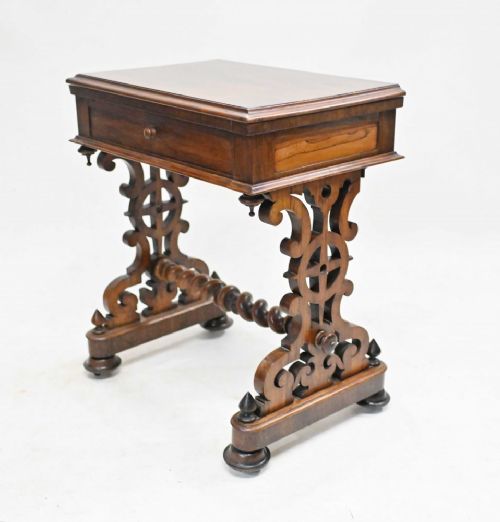
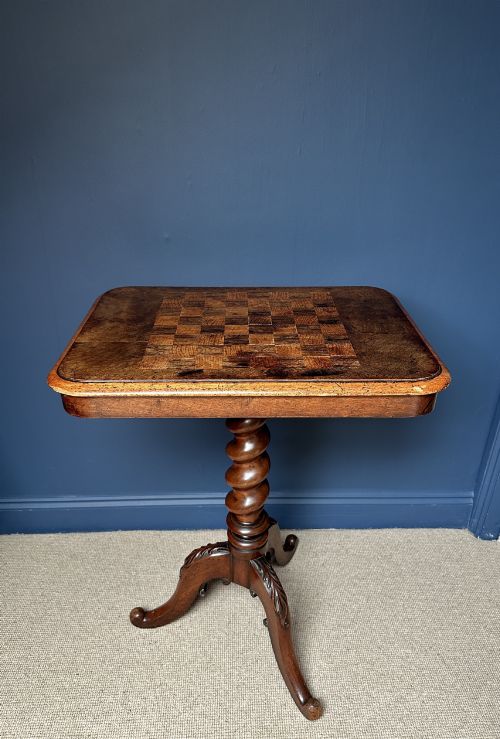
You are most likely to meet Victorian burr walnut, walnut, and mahogany games tables featuring inlaid chess boards. These pieces often combine multiple functions, serving as side tables, occasional tables, or desks.
How they were made
Cabinet makers utilised dense hardwoods such as walnut, burr walnut, mahogany, and rosewood to construct the structural frames and table tops. These timbers were selected for their rich grain patterns and durability.
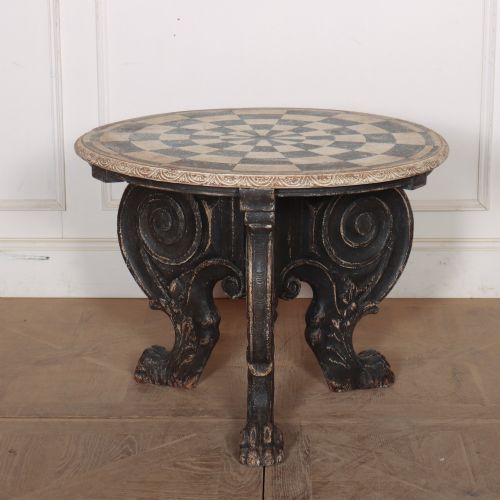
Inlay techniques incorporate contrasting woods like boxwood alongside timber inlay and parquetry to define the playing squares. Carved details adorn the supports and borders of the tables and sets.
Carved Wood Chess Retail Price Guide 2026
Typical asking prices for carved wood chess among the pieces listed under this phrase on Sellingantiques today, from the lower quarter to the upper quarter. They describe what is for sale here now, not the wider market.
What varies in quality
The refinement of the timber selection dictates the visual impact of each piece, particularly where burr walnut or specimen wood veneer is employed. Skill in matching grain patterns across table tops and chess boards elevates the overall composition.
The precision of the parquetry and wood inlay work distinguishes standard domestic furniture from finer examples. Carving execution on table bases and chess sets demonstrates the hand of the maker.
The Carved Wood Chess Glossary
- Parquetry
- Geometric mosaic woodwork used for decorative floors and table tops. This technique forms the precise playing squares on many nineteenth-century chess tables.
- Burr walnut
- A highly figured wood grain obtained from the wart-like growths on walnut trees. Cabinet makers prized this material for its swirling patterns on Victorian table tops.
- Games compendium
- A boxed collection of multiple board games and pastimes housed together. These portable sets often include chess, draughts, and backgammon equipment.
- Boxwood
- A dense, pale yellow wood traditionally utilised for the lighter pieces in a chess set. Its fine texture permits intricate turning and carving.
Carved Wood Chess: Frequently Asked Questions
What periods do these pieces date from?
The available selection primarily encompasses nineteenth-century and Edwardian examples. This includes pieces from the Victorian, William IV, and Edwardian eras.
Dates span specific years such as eighteen-fifty and eighteen-sixty alongside broader nineteenth-century classifications.
How were nineteenth-century games tables used?
These tables served as dual-purpose furniture for domestic drawing rooms and parlours. They provided a stable surface for chess, draughts, and backgammon.
Many designs functioned as everyday occasional tables or desks when the playing surface was covered or closed.
What materials are common in these sets?
Makers constructed tables and sets using walnut, burr walnut, mahogany, rosewood, and oak. Contrasting timbers like boxwood created the light squares on inlaid boards.
Brass hardware and timber inlay frequently appear as decorative elements across the furniture.
How do I identify Edwardian sets?
Edwardian items often include miniature chess sets and folding boards with accompanying pieces. These pieces reflect the lighter aesthetic prevalent in the early twentieth century.
Construction methods and timber finishes differ from heavier mid-nineteenth-century Victorian furniture.