





Carved Wood Chess Table
A carved wood chess table is a tactile Victorian sitting room centrepiece that combines fine cabinetmaking with leisure, perfect for a period interior.
Carved Wood Chess Table
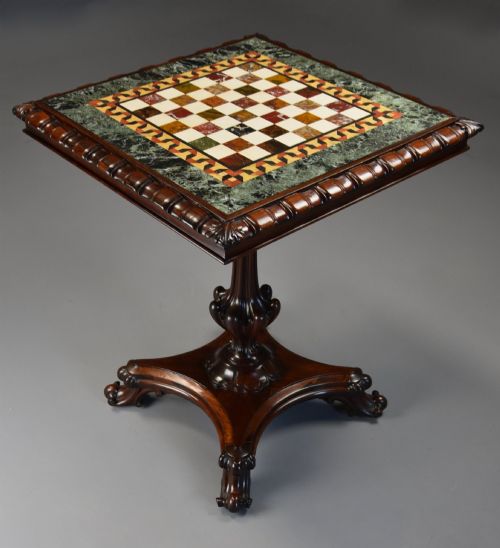
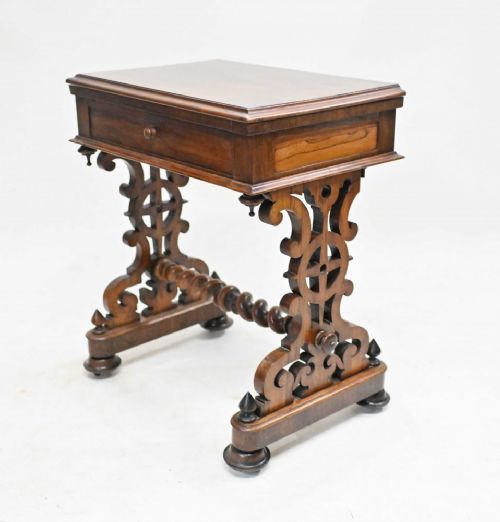
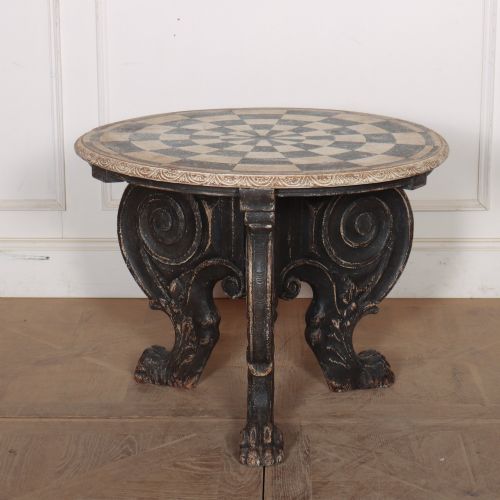
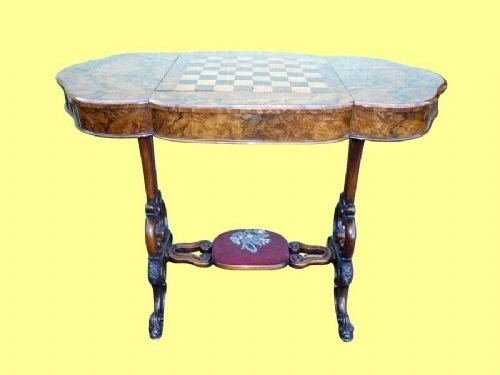
When you search for a carved wood chess table, you encounter nineteenth century occasional and centre tables designed for domestic leisure. The listings on this page show examples primarily from the Victorian era, alongside William IV and Baroque Revival styles.
Most pieces function as multi-use furniture rather than single-purpose boards. They appear as games tables, lamp tables, side tables, and games compendiums that incorporate chess alongside backgammon and draughts.
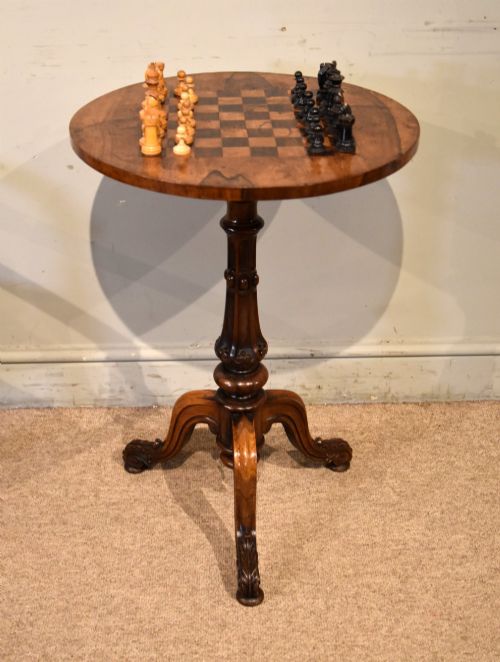
The dominant forms originate from British and European workshops, featuring circular or rectangular tops with integrated inlay and carved supports. They bridge the gap between ornamental drawing room furniture and functional tabletop gaming.
How they were made
Cabinetmakers utilised rich timber varieties such as walnut, burr walnut, mahogany, and oak to construct the main bodies and tops. These woods were selected for their grain pattern and durability under frequent use.
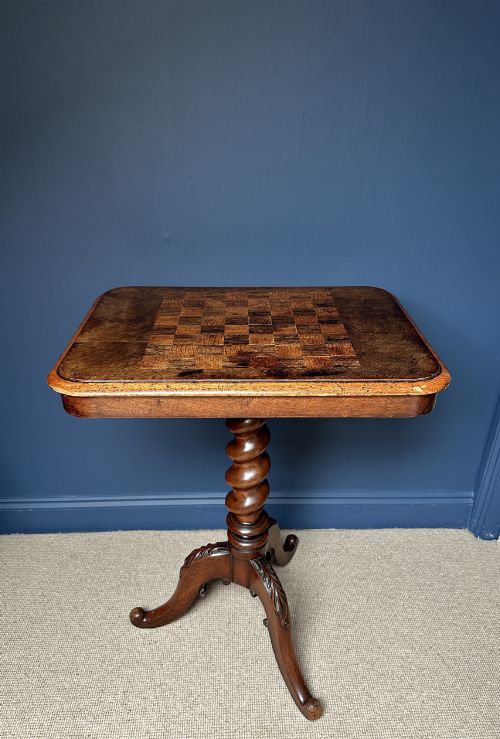
Inlay techniques defined the playing surfaces, employing wood inlay, inlaid timber, and parquetry to contrast dark and light squares for chess and draughts. Brass fixtures and painted wood details occasionally augmented the primary timber construction.
Structural embellishments relied on manual carving applied to pedestals, aprons, and pillar supports. These decorative flourishes aligned with the prevailing Victorian and Baroque Revival aesthetics of the nineteenth century.
Carved Wood Chess Table Retail Price Guide 2026
Typical asking prices for carved wood chess table among the pieces listed under this phrase on Sellingantiques today, from the lower quarter to the upper quarter. They describe what is for sale here now, not the wider market.
What varies in quality
The distinction between standard production and superior craftsmanship lies in the precision of the timber inlay and the depth of the carved woodwork. Finely executed parquetry creates a perfectly flush playing surface without gaps between the contrasting woods.
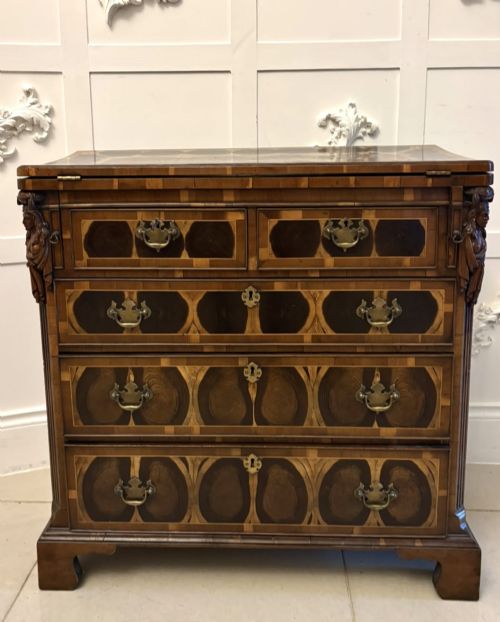
Versatility of function also elevates certain pieces, particularly those combining chess boards with backgammon interiors, fold-over writing desks, or compendium drawers. The complexity of the mechanism and the integration of multiple gaming options reflect the ambition of the maker.
The Carved Wood Chess Table Glossary
- Parquetry
- Geometric mosaic woodwork arranged in regular patterns to form decorative surfaces. This technique creates the contrasting squares essential for chess boards.
- Burr walnut
- Highly figured timber harvested from walnut tree growths, valued for its swirling grain patterns. It frequently forms the primary decorative veneer on Victorian table tops.
- Games compendium
- A multi-game box or table containing equipment for several pastimes, such as chess, draughts, and backgammon. These pieces consolidate multiple leisure activities into a single item of furniture.
- Occasional table
- A small, portable table designed for specific, intermittent domestic uses rather than permanent placement. They appear frequently in nineteenth-century interiors as lamp or side tables.
Carved Wood Chess Table: Frequently Asked Questions
What is a carved wood chess table?
A carved wood chess table is a nineteenth century occasional table featuring an integrated playing surface for chess. These pieces combine domestic utility with surface marquetry for gaming.
Most examples date from the Victorian period and incorporate turned or carved pedestals. They served as social furniture in drawing rooms and parlours.
How were these tables used?
These tables provided a dedicated surface for playing chess, draughts, and backgammon within the Victorian home. Many designs doubled as lamp tables, side tables, or desks when not in active use.
Their dual functionality made them central to the leisure habits of the nineteenth-century household. They allowed families and guests to engage in tabletop games without clearing other main furniture.
How do I live with a chess table?
Position the table in a reception room where its inlaid top remains visible and accessible. Avoid placing it in direct sunlight to protect the sensitive walnut or mahogany veneers.
Treat the surface with standard wood care appropriate for antique timber. Use coasters and pads if placing lamps or objects on the playing surface.
How do I tell periods apart?
William IV and early nineteenth-century pieces often display heavier architectural carving and parquetry tops. Mid-Victorian examples frequently showcase burr walnut veneers and elaborate pedestal bases.
Reviewing the construction methods and secondary timbers helps establish the decade of manufacture. Stylistic markers align with broader nineteenth-century cabinetmaking trends.