



Carved Wood Apothecary
These carved wood apothecary pieces span several centuries of dispensary and shop furniture, offering practical storage and striking craftsmanship for the home.
Carved Wood Apothecary
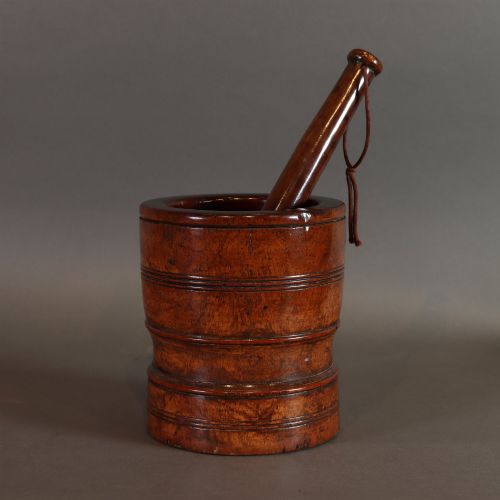
Carved wood apothecary items encompass functional dispensary furniture and treen vessels originating from European workshops. When you search for carved wood apothecary, you encounter forms ranging from massive banks of drawers and wall cabinets to small lignum vitae mortars.
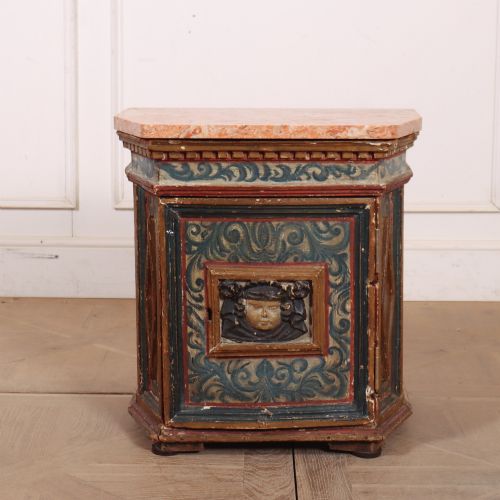
The pieces appearing on this page date from the seventeenth century through to the twentieth century. They include items rooted in Georgian, Italian Baroque, and French Industrial styles.
Smaller treen objects such as turned mortars and pestles appear alongside larger commercial fixtures like mahogany shop counters and hand-painted pharmacy sign boards. Each piece reflects the utilitarian needs of historical medical and retail trades.
How they were made
Makers utilised dense hardwoods including mahogany, walnut, olive wood, and lignum vitae to ensure durability in busy dispensaries. Lignum vitae and fruitwood were expertly turned on lathes to create solid, heavy mortars capable of withstanding daily grinding.
Larger cabinets and banks of drawers feature traditional joinery combined with carved decorative elements characteristic of periods like the Italian Baroque and Georgian eras. Surfaces often show hand-painted finishes, as seen on Italian cabinets and French pharmacy sign boards.
Carved Wood Apothecary Retail Price Guide 2026
Typical asking prices for carved wood apothecary among the pieces listed under this phrase on Sellingantiques today, from the lower quarter to the upper quarter. They describe what is for sale here now, not the wider market.
Listings here feature materials including brass, mahogany, lignum vitae, painted wood, marble, olive wood, glass, and hardwood.
What varies in quality
Quality rests in the selection of timber and the precision of the turning or carving. Dense, beautifully figured woods like lignum vitae and early mahogany represent superior material choices compared to simpler painted softwoods.
The integrity of original surfaces and hand-painted details dictates the desirability of cabinets and sign boards. Pieces retaining their authentic patination and original hardware stand apart from heavily restored or altered examples.
The Carved Wood Apothecary Glossary
- Treen
- Small handmade wooden household objects and utensils. Early examples turned from dense hardwoods are particularly prized by collectors.
- Lignum Vitae
- An extremely dense and heavy wood derived from trees of the genus Guaiacum. It was traditionally favoured for mortars due to its resistance to splitting.
- Mortar and pestle
- A bowl and heavy club used for crushing and grinding ingredients. Apothecary versions made from turned hardwood were essential dispensary tools.
- Bank of drawers
- A large cabinetry unit housing many small compartments. These were utilised in shops and dispensaries to organise medicinal ingredients and dry goods.
- Baroque
- An ornate artistic style prevalent in seventeenth and eighteenth-century Europe. It is characterised by dramatic carved details and robust proportions.
Carved Wood Apothecary: Frequently Asked Questions
What did historical apothecaries use these cabinets for?
Historical apothecaries utilised these cabinets and banks of drawers to organise and store dry herbs, powders, and mineral compounds. The numerous small compartments kept different medicinal ingredients separated and secure.
Larger furniture pieces served both as functional storage within the dispensary and as impressive display units for visiting customers.
How do I care for antique turned wood treen?
Antique treen benefits from being kept away from direct heat sources and dramatic humidity fluctuations. Maintaining a stable environment prevents the dense hardwoods from drying out and splitting.
An occasional application of a suitable natural wax helps nourish the surface and preserves the historical patination developed over centuries.
How can I tell a seventeenth-century mortar from a later one?
Seventeenth-century mortars typically display the heavier proportions and denser tool marks associated with early lathe work in lignum vitae or fruitwood. The turning style and the depth of wear reflect centuries of manual use.
Later twentieth-century versions often utilise different exotic woods and exhibit cleaner, more standardised turning techniques without the authentic patination of early pieces.
Where were these painted pharmacy signs displayed?
Pharmacy sign boards were hung outside or inside retail chemist shops to advertise the services and remedies available within. They guided the public to establishments providing medical and optical goods.
Hand-painted examples often featured the name of the proprietor alongside trade descriptions, serving as both functional signage and local landmarks.