





Carved Wood Antlers
These carved wood antlers bring the weight of the nineteenth century into a room, offering functional mounts and sculptural forms crafted from horn, bone, and timber.
Carved Wood Antlers
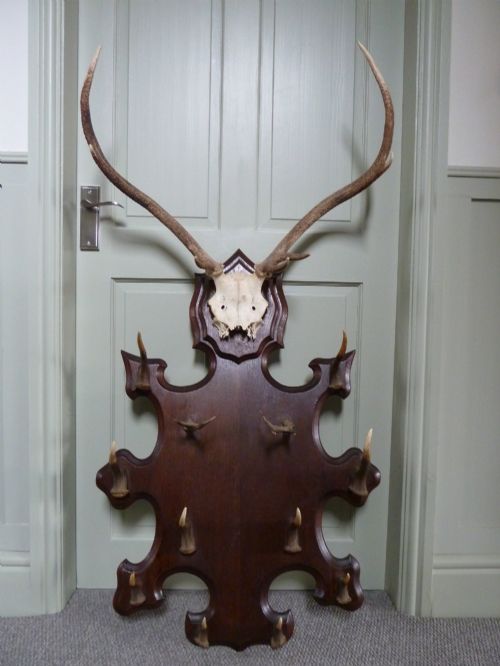
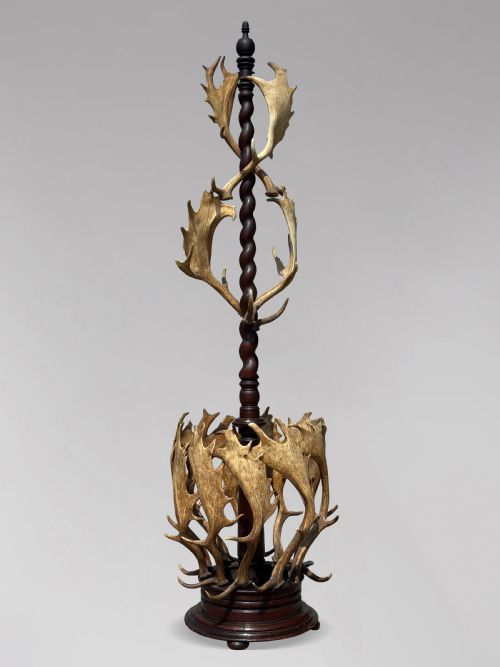
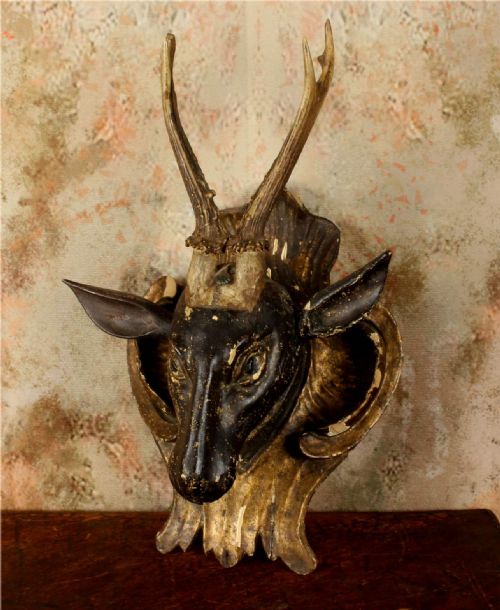
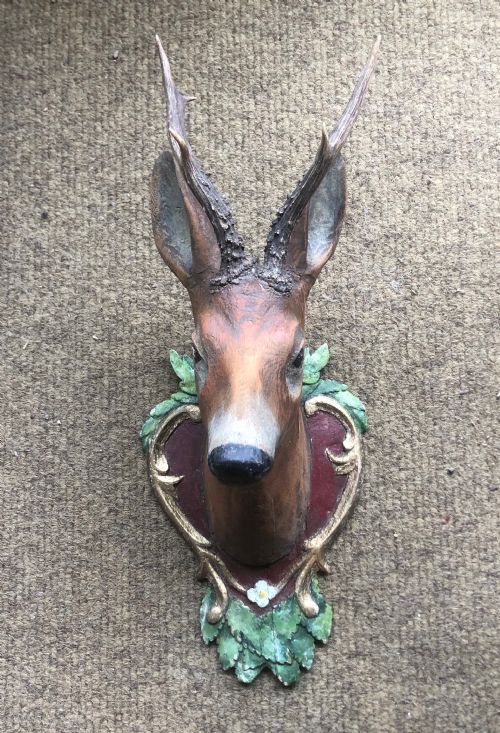
Carved wood antlers encompass nineteenth-century wall mounts, hall stands, and decorative sculptures shaped from natural horn, stag horn, and carved timber. These objects often combine actual animal antlers with carved wooden shields or heads, reflecting Victorian country house and Black Forest traditions.
The pieces on this page lean heavily toward functional hall stands, coat hooks, and wall sculptures from the eighteen-eighties and eighteen-nineties. Alongside these British and European hunting pieces, buyers will also encounter Scandinavian painted folk art deer and continental wall-hanging hat racks.
Originating primarily from nineteenth-century workshops in Britain, France, Germany, and Switzerland, these items served practical domestic purposes in country houses and shooting lodges. Today, they function as striking wall decor that bridges natural history collections and folk art.
How they were made
Maker's workshops built these pieces by mounting natural antlers, stag horn, and bone onto carved wooden shields, oak plaques, or linden wood backings. The wood was typically shaped by hand, often featuring carved deer heads or foliate motifs to support the protruding horn.
Carpenters and carvers utilised traditional hand tools to shape the wooden components, securing the natural antlers with hidden internal dowels or metal fixings. Some items incorporate painted finishes, such as the Swedish folk art examples, applying pigments directly to the carved wood surface.
Carved Wood Antlers Retail Price Guide 2026
Typical asking prices for carved wood antlers among the pieces listed under this phrase on Sellingantiques today, from the lower quarter to the upper quarter. They describe what is for sale here now, not the wider market.
Listings feature items from the nineteenth century, spanning decades from eighteen-hundred to nineteen-hundred, with materials including oak, bone, and paint.
What varies in quality
Quality rests in the anatomical realism of the carved wood head and the symmetry of the mounted antlers. Finer pieces display crisp, deep carving in linden wood or oak, whereas simpler examples rely primarily on the natural form of the horn without detailed wooden sculpture.
The integrity of the structural joinery where the antlers meet the wooden shield determines the piece's durability. Superior examples integrate the horn seamlessly into the carved backing, while lesser items show visible fixings or mismatched scales between the carved wood and the natural material.
J. Parker of Woodstock
The Carved Wood Antlers Glossary
- Black Forest
- A nineteenth-century style of intricate wood carving originating from the wooded mountain region of Central Europe, known for realistic animal and foliage motifs.
- Stag Horn
- The hardened, bony antler shed and regrown annually by a male deer, utilised in these pieces for its natural branching texture.
- Linden wood
- A pale, fine-grained timber frequently chosen by European carvers for its cooperative texture and lack of prominent grain.
- Folk art
- Utilitarian objects and decorative pieces created by self-taught or provincial makers outside academic artistic traditions.
- Shield
- The carved wooden plaque or backplate that serves as the foundation for mounting horns and antlers to a wall.
Carved Wood Antlers: Frequently Asked Questions
What are carved wood antlers used for?
These pieces function primarily as decorative wall mounts, coat racks, and hat stands designed to hold garments in a hallway or boot room. They combine natural history specimens with functional woodworking.
Historically, they decorated nineteenth-century country houses, shooting lodges, and hunting halls. Today, they serve as focal points for rustic or eclectic interior schemes.
How do I date a piece?
Dating relies on stylistic markers, construction methods, and the specific characteristics of the nineteenth-century period. Pieces often feature hallmarks of Victorian design, Black Forest carving, or Scandinavian folk art.
Examining the backplate, fixings, and the wear on the wood provides further clues to whether the item originates from the early, mid, or late nineteenth century.
Are the antlers real?
Most pieces incorporate genuine natural stag horn, deer antlers, or bone attached to a carved wooden support. Natural variations in the texture and point count of the horn are standard.
Makers combined these organic materials with carved linden wood, oak, or painted timber to create integrated wall sculptures and functional stands.
How do I hang a heavy mount?
Due to the combined weight of the natural antlers and the wooden shield, secure wall fixings into masonry or wall studs are essential. Most pieces feature integrated hanging loops or heavy-duty brackets on the reverse.
Checking the stability of the join between the horn and the wood before mounting ensures the piece can safely support the weight of coats and hats.