
Carved Wood Accent Seat
A carved wood accent seat brings personality and historic craft to a corner, drawing the eye with sculptural detail.
Carved Wood Accent Seat
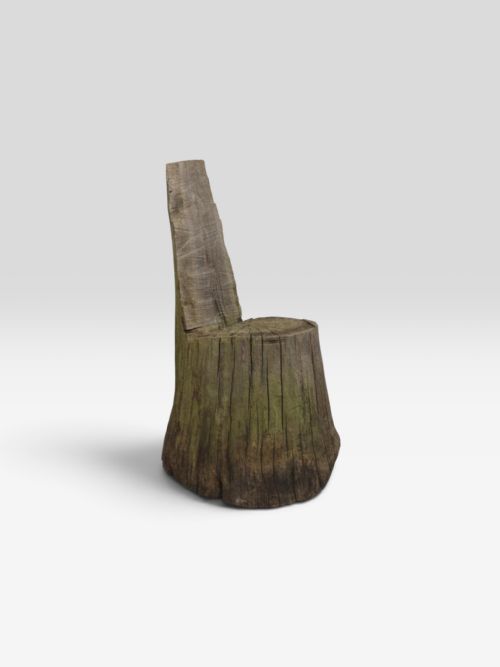
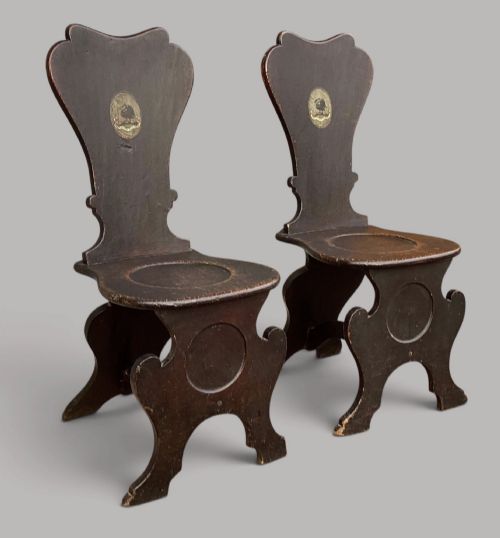
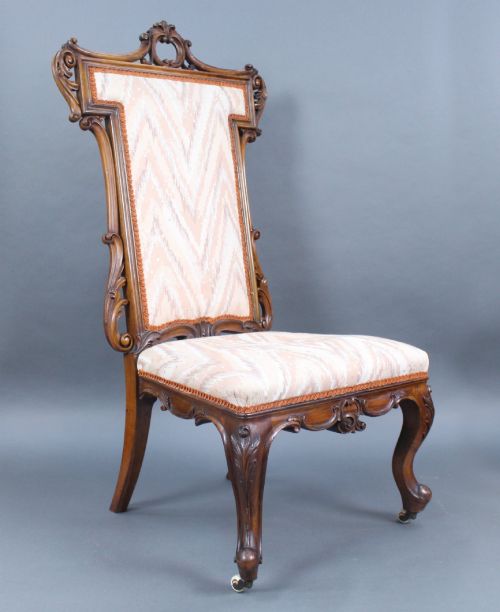
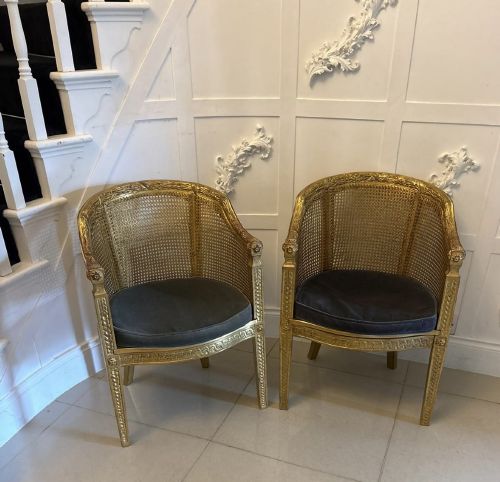
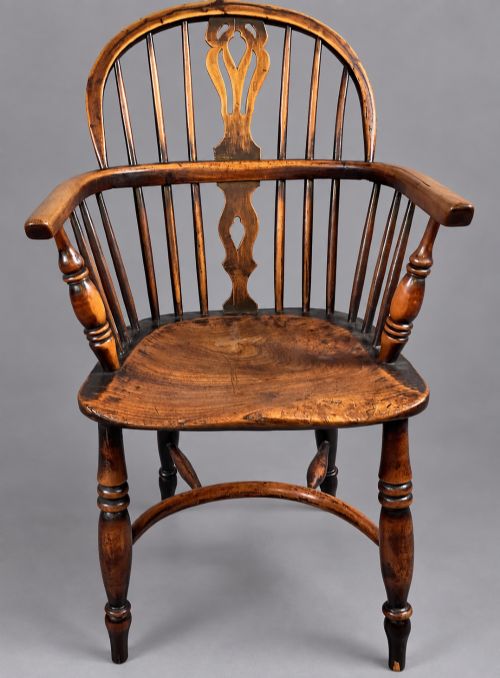
A carved wood accent seat encompasses diverse seating forms designed for occasional use rather than formal dining, ranging from library chairs to hall chairs and nursing seats.
Most examples encountered here originate from the eighteenth and nineteenth centuries, spanning Georgian, Victorian, and Regency periods alongside continental styles.
Materials and Construction
Timbers such as mahogany, walnut, oak, and elm form the structural foundation, shaped by hand to create intricate relief carvings and curved supports.
Surface treatments include original paint, red lacquer, parcel gilding, and wax finishes that highlight the natural grain and patina of the wood.
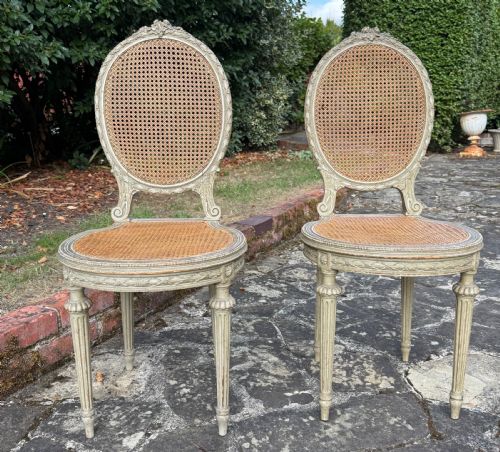
Upholstery methods incorporate traditional stuffing materials paired with silk, velvet, fabric, leather, or cane inserts fitted into the wooden frames.
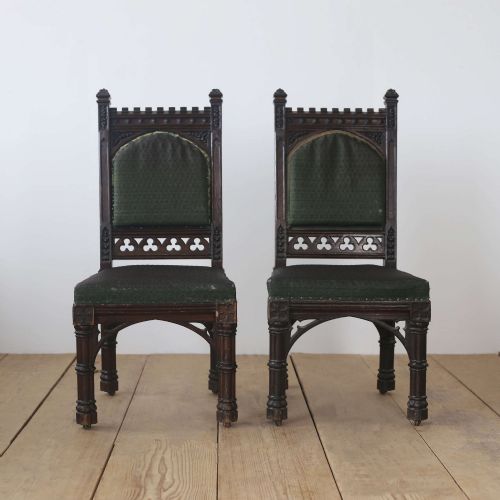
The listings span multiple centuries of woodworking traditions, incorporating solid hardwoods like mahogany and walnut alongside exotic elements such as mother of pearl inlay.
Distinguishing Quality
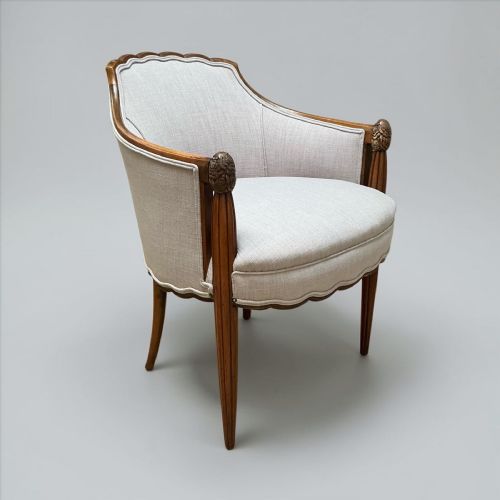
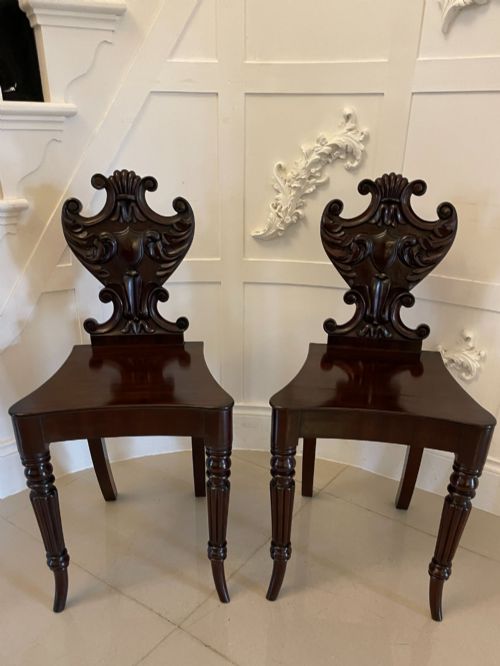
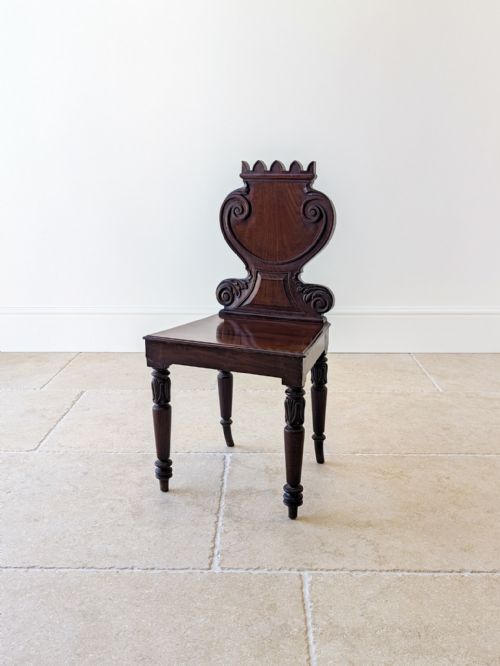
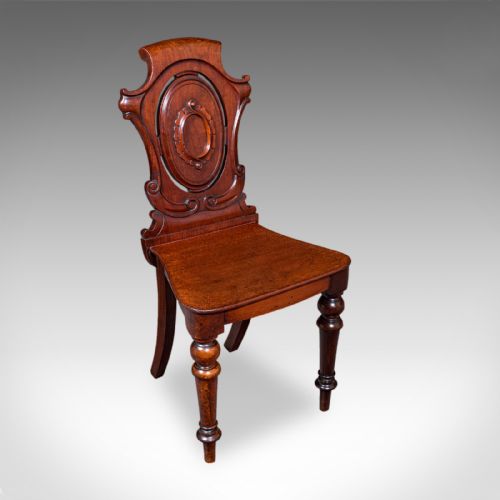
Depth and crispness of the wood carving distinguish exceptional pieces, where floral motifs, scrolls, or heraldic shields retain sharp relief and undercut details.
Integrity of the timber frame and retention of original surface finishes, such as early paint or lacquer, elevate historical authenticity and visual depth.
Proportion and balance dictate the success of the design, ensuring that decorative elements complement the structural form without appearing heavy or crowded.
Andrea Brustolon
The Carved Wood Accent Seat Glossary
- Hall chair
- A rigid wooden seat traditionally placed in an entrance hall, often featuring a carved or painted shield back without upholstery.
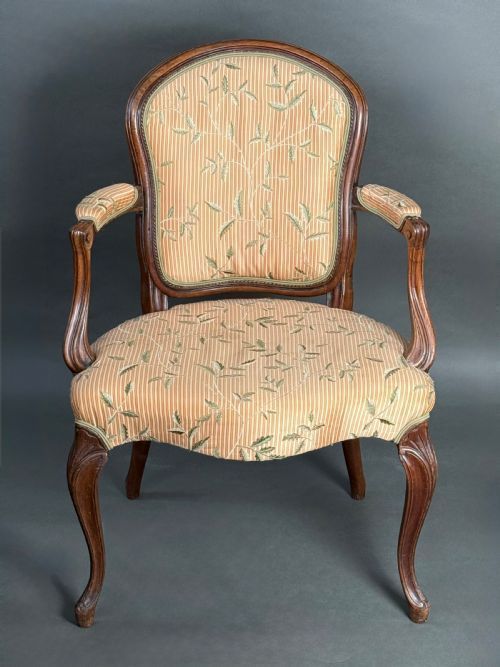
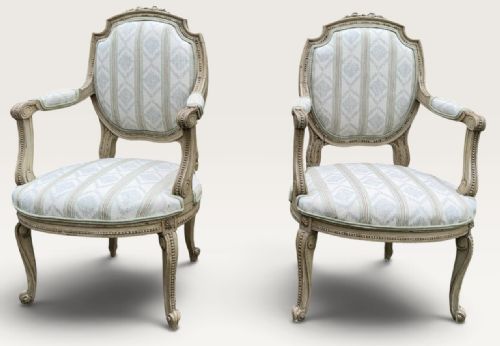
- Fauteuil
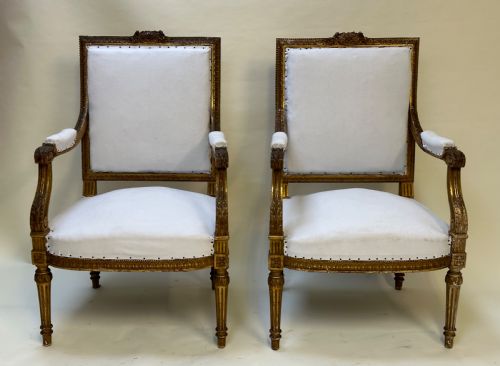
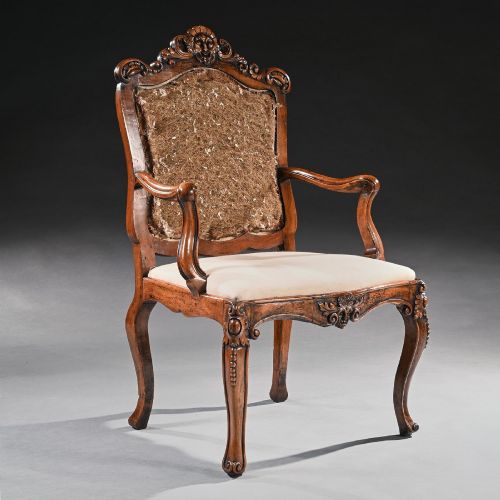
- An open-arm armchair originating in France, characterised by upholstered back and seat panels framed in exposed wood.
- Patina
- The surface sheen and mellowing developed by wood and finish over decades of handling and exposure to light.
- Parcel gilt
- A decorative technique where specific carved details or mouldings are highlighted with gold leaf while the surrounding wood remains visible.
- Yokeback
- A traditional chair design featuring a curved top rail resembling a yoke, commonly seen in Chinese elm seating.
Carved Wood Accent Seat: Frequently Asked Questions
Where should I place a carved wood accent seat?
These pieces work well in entrance halls, bedrooms, or reading corners where they provide both a functional seat and a strong decorative focal point.
Because they often feature detailed carving or striking silhouettes, they perform best when given sufficient space to be viewed from multiple angles.
How do I care for antique wood furniture?
Maintain the wood by keeping the seat away from direct heat sources and strong sunlight, which can dry out the timber and fade the finish.
Dust regularly with a soft, dry cloth and occasionally apply a quality wax if the surface appears dry, avoiding modern liquid polishes.
Are these seats comfortable for daily use?
Comfort varies significantly depending on the original purpose of the seat, with upholstered armchairs offering a relaxed sit while rigid hall chairs are designed for upright posture.
Many occasional and reception seats prioritize visual impact and compact proportions over deep cushioning.
How can I identify the period of a chair?
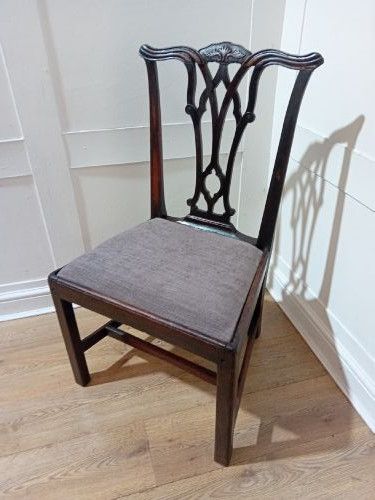
Dating relies on observing stylistic markers such as cabriole legs, shield backs, or turned supports that align with known historical design periods.
Construction methods, tool marks on the underside, and the natural ageing of the timber and finish provide further clues to age.