

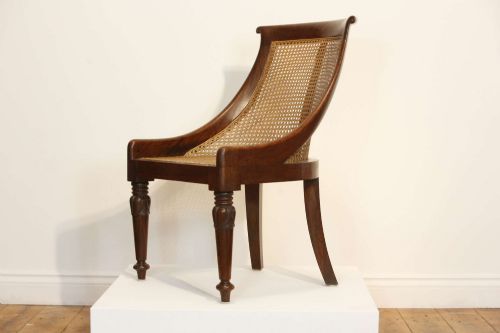
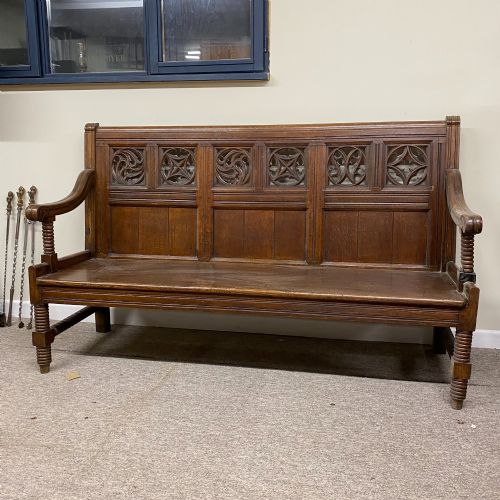

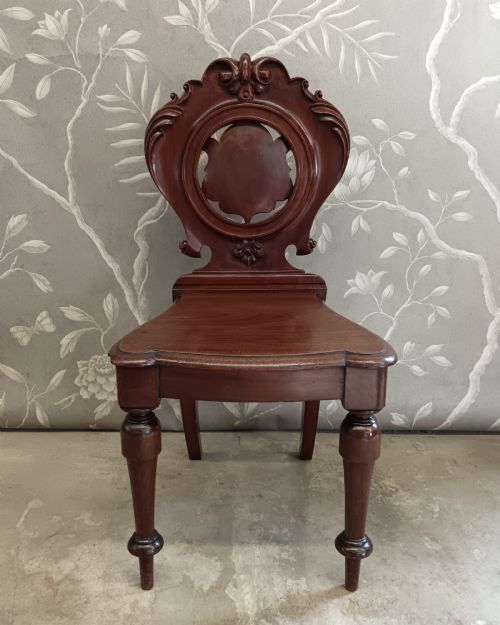
Carved Timber Seating
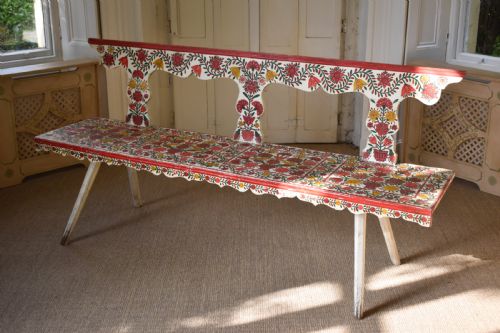
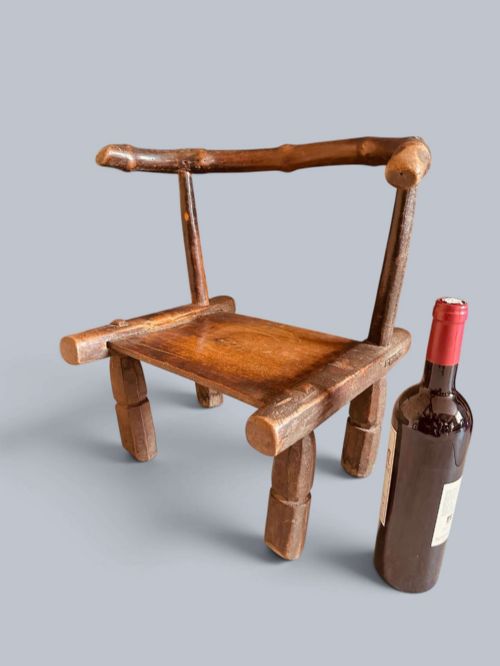
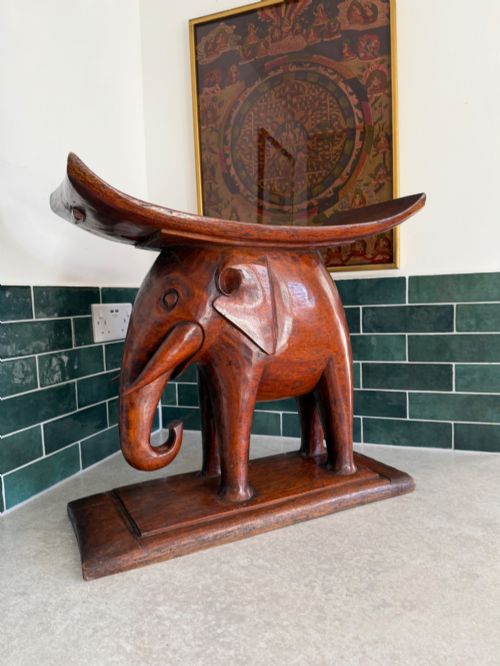
Carved timber seating comprises chairs, benches, and stools shaped from solid woods for domestic and formal halls.
Carved Timber Seating
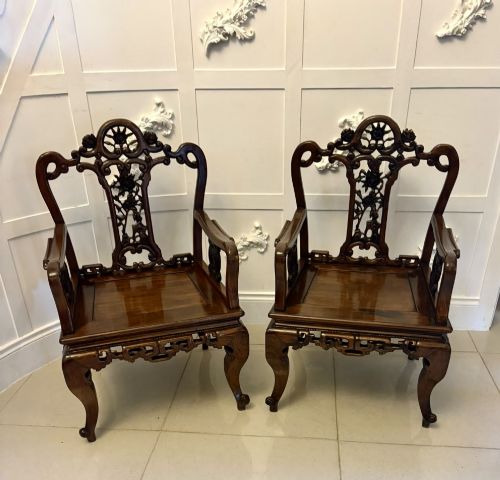
Carved timber seating encompasses functional wooden furniture fashioned into hall chairs, dining chairs, armchairs, benches, settles, and stools. These items originate from periods spanning the eighteenth, nineteenth, and early twentieth centuries, reflecting diverse regional workshops and stylistic revivals.
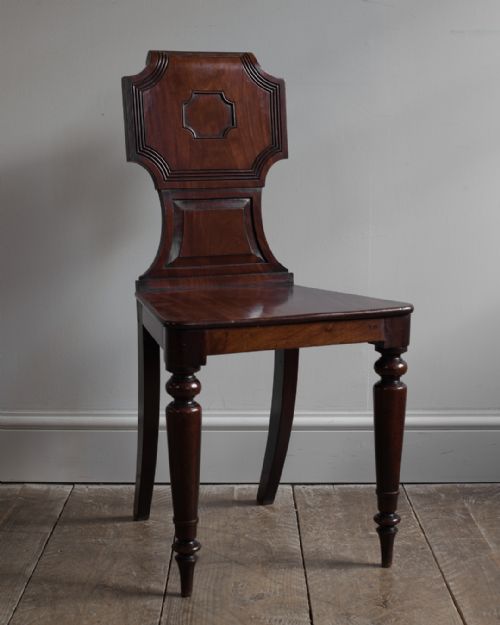
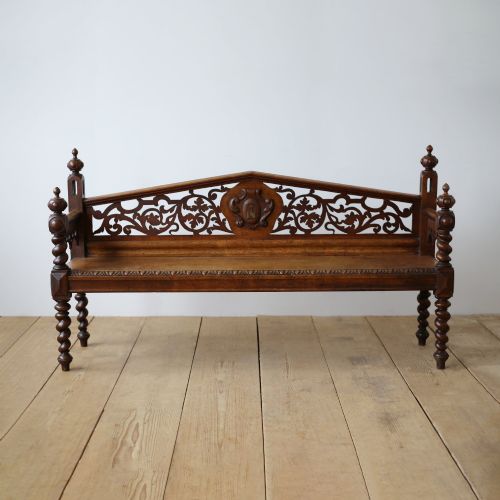
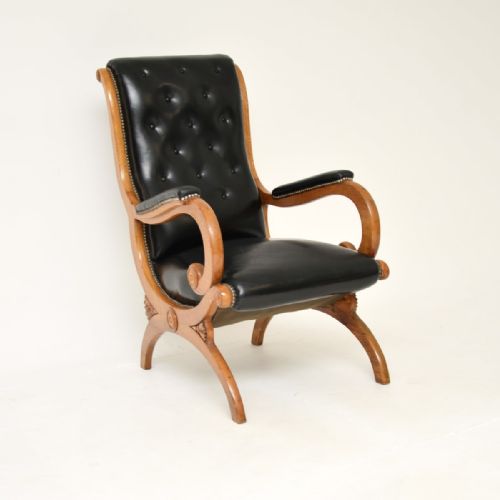
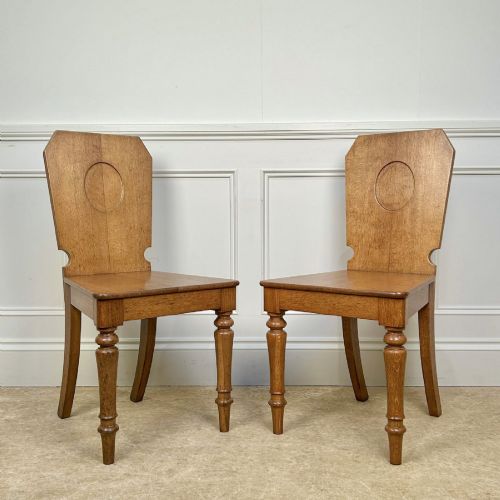
Buyers encountering this selection most frequently meet nineteenth-century Victorian and Edwardian examples constructed in oak, mahogany, and walnut. Forms range from rigid hall chairs with shield backs to heavy storage benches and upholstered armchairs originating across Britain, Europe, and international trade routes.
How they were made
Craftsmen utilised dense timbers such as oak, mahogany, walnut, rosewood, padouk, and exotic hardwoods, selecting materials based on structural strength and grain pattern. Joinery typically involved traditional mortise and tenon framing, supplemented by hand-carved ornamentation directly into the solid wood components.
Surface finish depended upon applied wax or polish over prepared wood, while upholstered variants integrated internal webbing, stuffing materials, and coverings of fabric, brass elements, or tapestry. Woodcarvers employed chisels and gouges to execute motifs including trefoils, foliage, and figurative elements.
Carved Timber Seating Retail Price Guide 2026
Typical asking prices for carved timber seating among the pieces listed under this phrase on Sellingantiques today, from the lower quarter to the upper quarter. They describe what is for sale here now, not the wider market.
Listings feature items spanning the eighteenth century through to the nineteen-twenties, incorporating oak, mahogany, walnut, and exotic hardwoods.
What varies in quality
Quality separates through the depth, crispness, and execution of the hand-carved enrichment on the timber frame. Pieces exhibiting sharp relief work, well-proportioned structural lines, and matching grain patterns command greater regard than those with shallow, mechanical, or repetitive moulding.
The integrity of the original construction, the choice of prime cabinet timbers without excessive replacement parts, and the survival of untouched patination dictate the standing of individual examples within the broader selection.
Strahan And Co
The Carved Timber Seating Glossary
- Hall chair
- A rigid wooden seat traditionally placed in entranceways, often featuring a solid timber backplate carved with armorial bearings or decorative shields. These items were designed primarily for formal display rather than prolonged lounging.
- Settle
- A high-backed wooden bench with solid arms and a closed base, historically utilised to block draughts in large rooms. Many examples incorporate a hinged seat providing interior storage capacity.
- Gothic Revival
- A nineteenth-century design movement drawing inspiration from medieval architecture and ornamentation. Pieces typically incorporate pointed arches, trefoils, and heavy structural framing in oak.
- Padouk
- A heavy, durable tropical hardwood displaying a distinct reddish hue, frequently utilised in nineteenth-century Anglo-Indian furniture production. It accepts intricate hand-carving without splintering.
- Patina
- The surface sheen and colour developed on timber through decades of handling, polishing, and natural oxidation. Collectors value surfaces that retain this historical depth without harsh stripping.
Carved Timber Seating: Frequently Asked Questions
What is carved timber seating?
Carved timber seating encompasses chairs, benches, settles, and stools fashioned from solid woods with hand-carved decorative elements. These items span dining chairs, hall seats, and regional armchairs.
They reflect centuries of domestic furniture production across Britain, Europe, and wider trade regions, utilising timbers like oak, mahogany, and walnut.
How were hall chairs used?
Hall chairs served as formal seating placed in entrance halls, corridors, and reception rooms of grand houses. Visitors waited on them briefly, and servants used them during specific household duties.
Their designs prioritised architectural presence and carved family crests or shields over cushioned comfort.
How do I live with antique wooden seating?
Antique wooden seats integrate easily into contemporary rooms as dining chairs, hallway accents, or standalone sculptural pieces. Position them away from direct heat sources and strong sunlight to protect the timber.
Maintain the surface using appropriate furniture waxes and ensure joints remain stable under normal domestic use.
How do I tell periods apart?
Periods are identified through structural silhouettes, carving styles, and timber choices characteristic of specific decades. For instance, heavy oak and geometric motifs often point to revival styles, while mahogany and rosewood frequently indicate earlier nineteenth-century work.
Examining construction methods, tool marks, and secondary woods helps confirm the era of manufacture.