



Carved Stone Relief
Carved stone relief works bring centuries of sculptural craft into domestic spaces, offering enduring forms shaped from marble, sandstone, soapstone and slate.
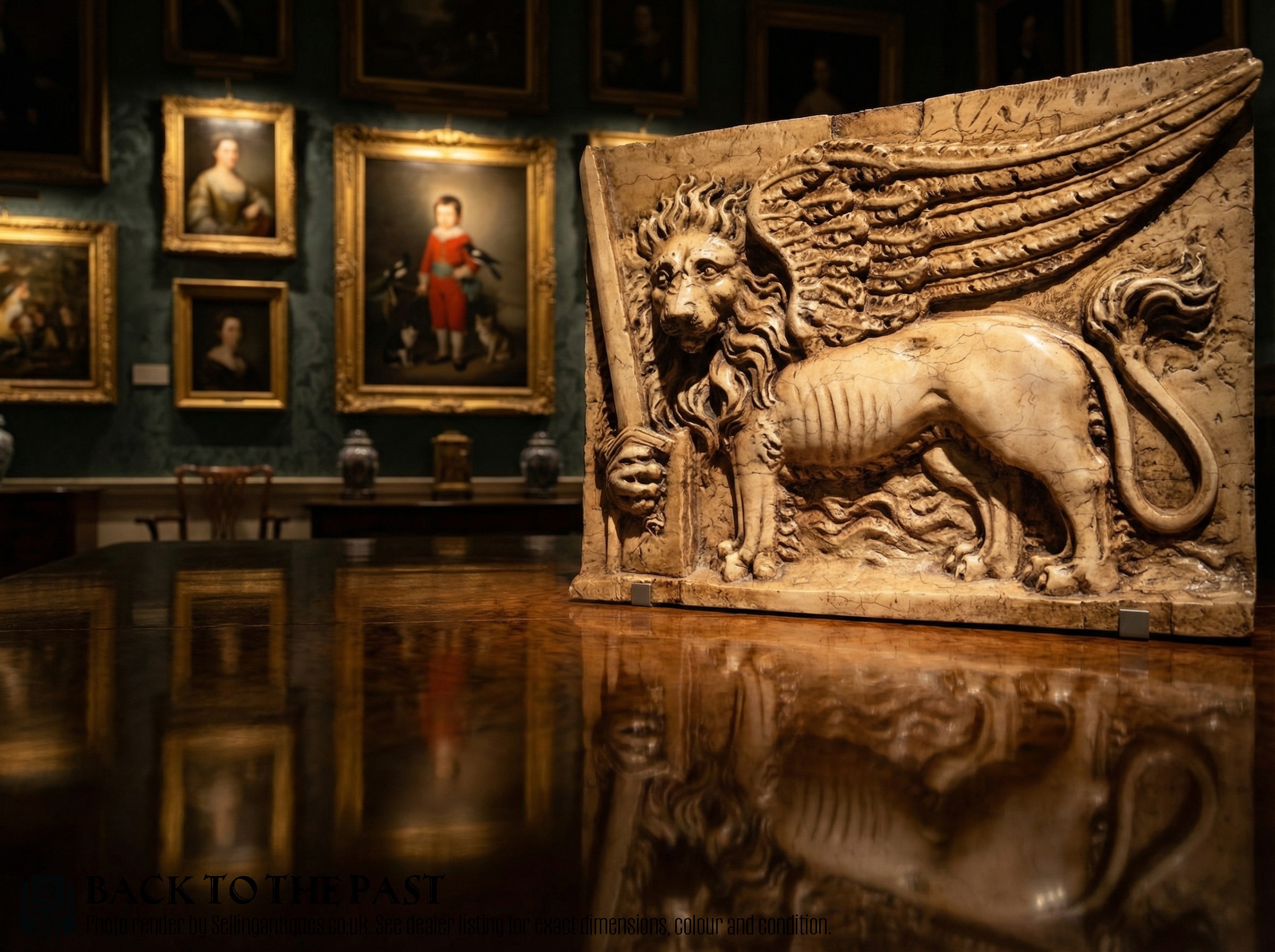
Carved Stone Relief
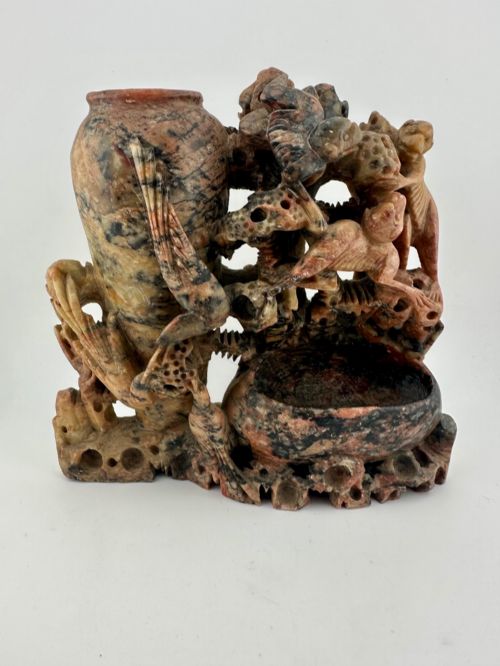
A carved stone relief presents figures or patterns raised from a flat or curved stone background, forming works designed for walls, display or architectural use. When you search for carved stone relief, you meet pieces ranging from classical European marble plaques to early Asian soapstone and sandstone carvings.
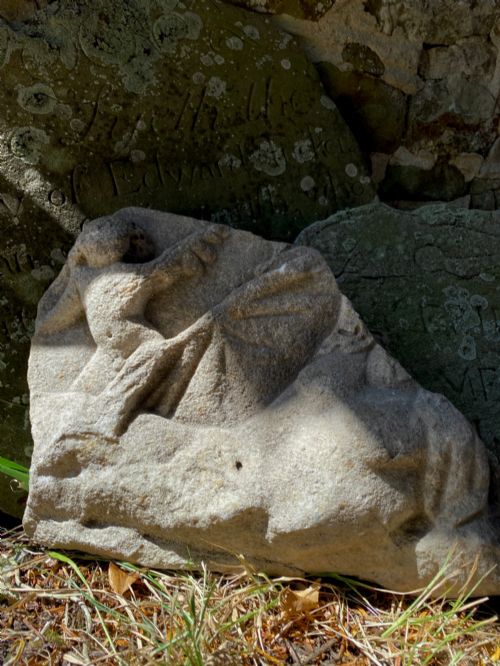
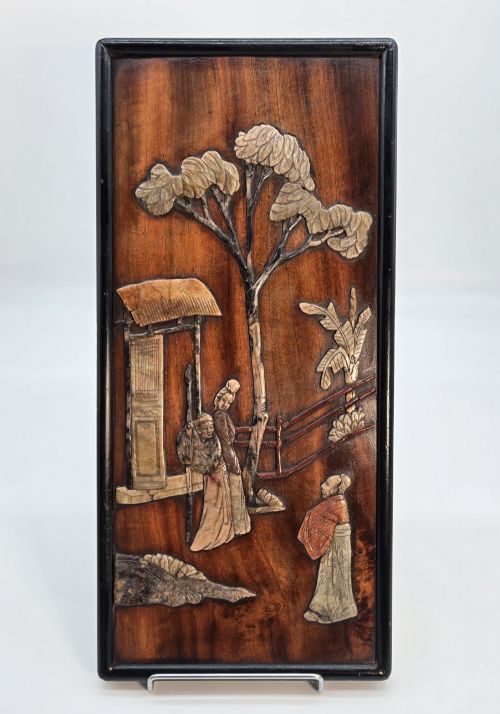
The selections span centuries, including pre-sixteenth century ecclesiastical figures, eighteenth-century Grand Tour souvenirs, and nineteenth-century Victorian plaques. Wall plaques, framed pictures, architectural fragments and brush pots make up the primary forms encountered on this page.
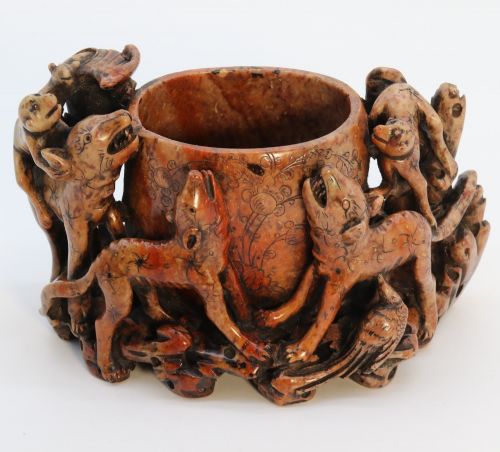
European examples lean towards Neoclassical, Gothic and Victorian revivals, frequently depicting classical emperors, nudes or religious subjects. Asian pieces introduce soapstone and hardstone items such as brush pots and snuff bottles from the Qing dynasty and later periods.
What varies in quality
The presence of signatures, such as works by recorded sculptors, elevates historical interest alongside documented provenance from periods like the Italian Grand Tour. Material selection also dictates standard, with high-grade white and Sienna marbles commanding attention over standard local stones.
Carved Stone Relief Retail Price Guide 2026
Typical asking prices for carved stone relief among the pieces listed under this phrase on Sellingantiques today, from the lower quarter to the upper quarter. They describe what is for sale here now, not the wider market.
Listings feature items spanning from pre-sixteenth century church carvings to twentieth-century garden planters.
Kasper Hendrik Roskam
The Carved Stone Relief Glossary
- Relief sculpture
- A sculptural technique where figures project from a background plane of the same material. High relief projects significantly, while bas-relief remains closer to the flat surface.
- Grand Tour
- Educational travels undertaken by wealthy Europeans in the eighteenth and nineteenth centuries, acquiring souvenir carved marble portraits and plaques.
- Soapstone
- A soft, talc-based metamorphic rock easily worked with hand tools, commonly used in Chinese brush pots and decorative carvings.
- Keystone
- The central wedge-shaped stone at the summit of an arch, sometimes carved with armorial bearings or decorative reliefs.
- Cameo
- A method of carving an object such as a gemstone, lava or shell to show a raised figure upon a contrasting background.
Carved Stone Relief: Frequently Asked Questions
What is a stone relief?
A stone relief is a sculpture where figures or designs remain attached to a solid background of the same material. The technique creates a three-dimensional effect on flat slabs, panels or architectural blocks.
Historically, artisans used marble, sandstone, slate and soapstone for these works. They served as wall plaques, architectural keystones, devotional panels and decorative items.
How old are these reliefs?
The pieces span multiple centuries, ranging from pre-sixteenth century Gothic church carvings to nineteenth-century Victorian and Edwardian works. Earlier examples often depict religious figures or bishops.
Later nineteenth-century pieces frequently include Italian Grand Tour souvenirs and classical revival portraits. Each era utilised distinct carving techniques and stone types native to their workshops.
Where were marble reliefs placed?
Marble reliefs were typically displayed mounted on interior walls, set into architectural masonry or housed within protective frames. Smaller pieces like lava cameo brooches served as personal ornaments.
Collectors in the eighteenth and nineteenth centuries displayed plaques and sculpted heads in studies, libraries and reception rooms. Garden planters and architectural fragments occupied courtyards and grounds.
How do I clean stone carvings?
Stone carvings require gentle maintenance using dry cloths or soft brushes to remove surface dust. Water and chemical cleaners can damage porous stones like sandstone and soapstone.
Fragile items with silver mounts or delicate projections need careful handling without abrasive agents. Consulting a professional conservator remains advisable for valuable or structurally vulnerable pieces.