








Carved Silver Dish
A carved silver dish brings tactile, chased artistry to the table, offering a decorative surface that elevates any interior with historical metalwork.
Carved Silver Dish
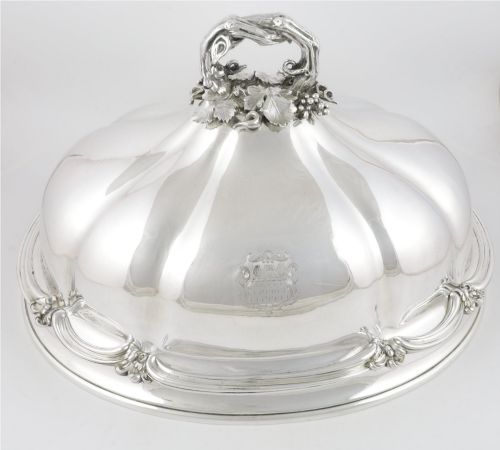
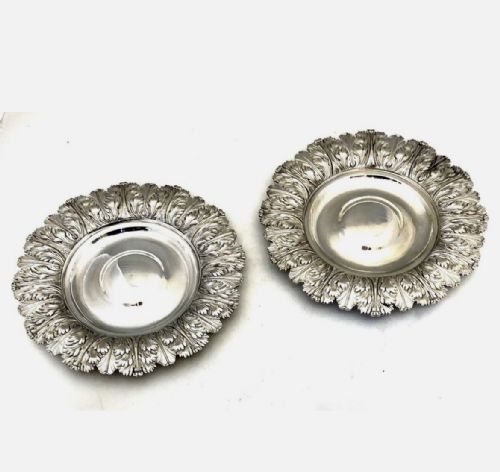
When you search for a carved silver dish, you encounter an array of ornate vessels and flatware spanning multiple centuries. The selection on this page ranges from Georgian and Victorian pieces to Edwardian items and international styles like Chinese Export, Thai, and Anglo-Indian designs.
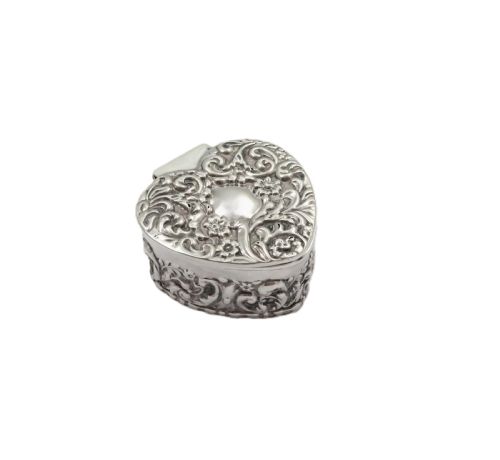
The forms extend beyond simple shallow plates into footed bowls, heart-shaped trinket boxes, and detailed centrepieces. These items reflect the diverse silver-working traditions of Britain, Europe, and Asia, often incorporating chased foliage or deep relief work.
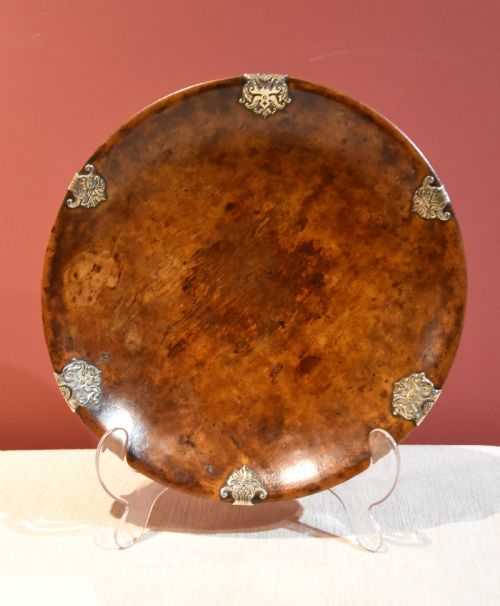
While many examples are solid sterling silver, others utilise silver plate, white metal, or mixed media such as burr walnut, horn, and jade rims. You will find that these domestic items served varied historical uses, from decorative serving dishes to tabletop centrepieces.
Materials and construction methods
Makers shaped these pieces from sterling silver, solid silver, and silver plate, frequently employing hammering and handcrafting techniques to achieve intricate relief. Artisans also combined metal with organic materials like horn, burr wood, and mahogany to construct textured bowls and tables.
Detailing relied on hand-chasing, embossing, and silver-mounting, where metalsmiths worked the surface from the reverse or etched directly into the plate. Enamelling and jade additions appear on specific regional items, demonstrating advanced decorative integration.
Carved Silver Dish Retail Price Guide 2026
Typical asking prices for carved silver dish among the pieces listed under this phrase on Sellingantiques today, from the lower quarter to the upper quarter. They describe what is for sale here now, not the wider market.
Current listings feature items in sterling silver, silver plate, mahogany, burr wood, and horn across Georgian, Victorian, and Edwardian periods.
Markers of distinction and craftsmanship
The depth and crispness of the chased decoration dictate much of the visual appeal, separating sharply defined motifs from worn or shallow stamping. Superior examples display balanced symmetry and careful attention to relief detail across the entire surface.
The integrity of the material construction, whether solid sterling silver or robust silver plate over a solid base, determines longevity and weight. Finer pieces maintain clear hallmarks and secure mounts when combined with organic elements like wood or horn.
Roberts Cadman·Tiffany and Co·Samuel Hennell·Josef Margold
The Carved Silver Dish Glossary
- Sterling silver
- A silver alloy containing 92.5 percent pure silver and 7.5 percent other metals, usually copper, to add strength. This standard is fundamental to British silver production.
- Silver plate
- A layer of silver fused or electroplated onto a base metal such as copper or a white metal alloy. It provides the appearance of solid silver at a different weight and cost.
- Chasing
- A metalsmithing technique where the artisan hammers metal from the front to sink the design and create low relief. It produces textured surface patterns without removing material.
- Hallmark
- An official stamp applied to precious metals indicating the purity, the assay office, and the date of manufacture. These marks provide historical proof of origin.
- Centrepiece
- A large, decorative vessel or stand placed in the middle of a dining table for display or service. These items often feature detailed casting and substantial weight.
Carved Silver Dish: Frequently Asked Questions
How do I clean a carved silver dish safely?
Use a soft microfiber cloth and a mild silver cleaner formulated to avoid abrading the chased details.
Avoid harsh scrubbing on pieces with delicate relief work or mixed media mounts like horn and wood.
Are these silver dishes safe for serving food?
Solid silver and traditional silver-plated items were historically used for dining and food service.
Check the interior condition and material composition to ensure the piece suits modern culinary use.
How can I identify the age of my silver?
Look for stamped hallmarks, maker's marks, and tax stamps that indicate the assay year and manufacturing location.
Stylistic cues such as Edwardian neoclassical lines or Georgian proportions also help date the object.
What is the difference between solid silver and plated items?
Solid silver consists of precious metal throughout the piece, maintaining its composition and value beneath the surface.
Silver-plated items feature a thin layer of silver applied over a base metal foundation like copper or white metal.