





Carved Shop Sign
A carved shop sign brings utilitarian commerce into domestic rooms, offering the robust character of trade figures and painted boards.
Carved Shop Sign
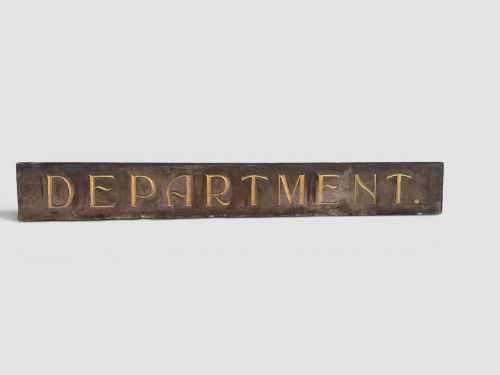
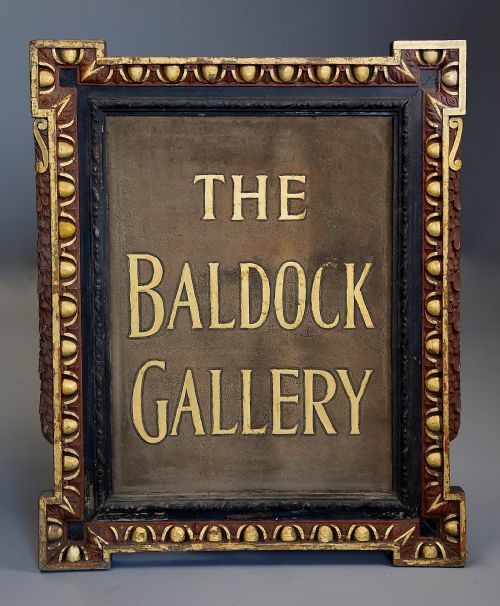
When you search for a carved shop sign, you encounter commercial trade figures, painted boards, and advertising displays that once identified butchers, tobacconists, and galleries. The pieces range from large department store signage to folk art figures in wood and paint.
Victorian and Edwardian examples dominate the selection, spanning the nineteenth century through the early twentieth century. You find British, French, and American origins expressed through trade signs, advertising chairs, and sculptural displays.
How they were made
Workshops shaped these objects primarily from solid wood such as oak and pine, applying carving techniques to create dimensional trade signs and figures. Craftsmen then built up the surface using gesso before adding polychrome paint and gold leaf lettering.
Signwriters and carvers utilised hand lettering and sign writing alongside carved sculpture to communicate commerce clearly to the street. Iron components occasionally provided structural support or hanging mechanisms for heavy boards.
A locksmith's sign shaped from oak quietly promises security while hanging entirely unprotected on an interior wall.
What varies in quality
The distinction between ordinary commercial remnants and superior examples lies in the depth of the carving and the integrity of the original paint surface. Stronger pieces display confident proportions and legible hand lettering that survived decades of outdoor exposure.
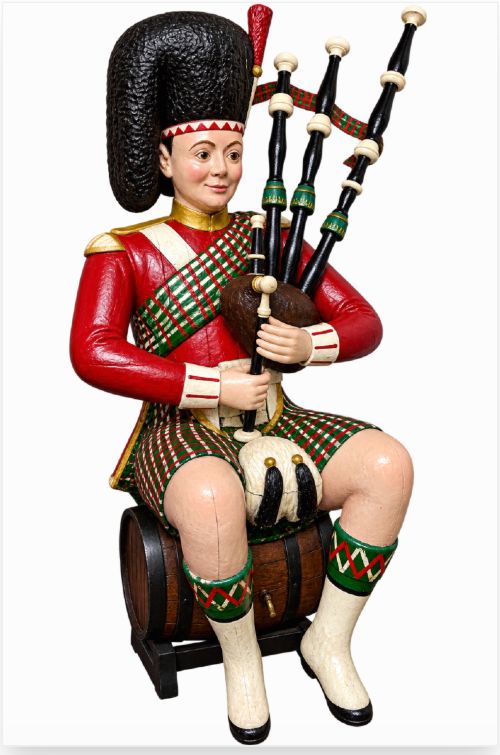
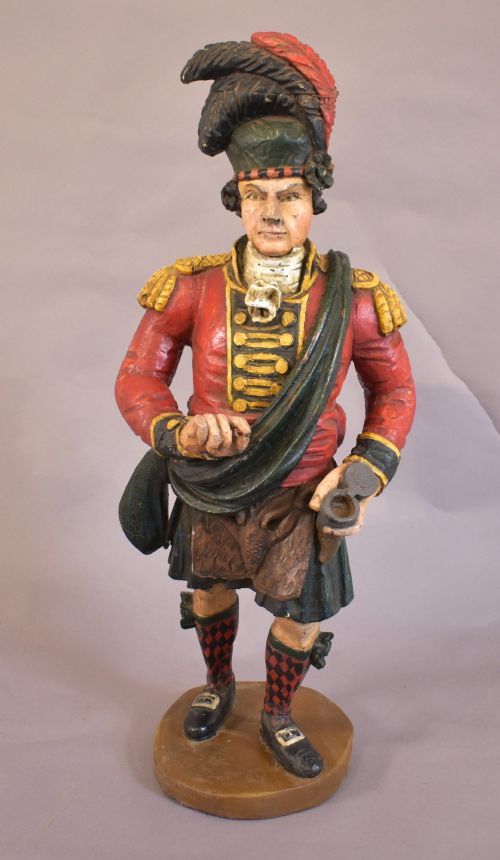
Artisanal handling elevates figures such as Highlanders and cigar store Indians above mass-produced advertising. The survival of untouched polychrome paint and genuine gilding preserves the visual impact intended for the nineteenth-century streetscape.
The Carved Shop Sign Glossary
- Trade sign
- A board or sculptural figure displayed outside a shop to indicate the trade practised within. These objects formed the visual language of the nineteenth-century high street.
- Polychrome paint
- Decoration executed in multiple colours. This finish protected the wood while delivering high visibility for passing customers.
- Gesso
- A plaster-like mixture applied to wood surfaces as a base for painting and gilding. It provided a smooth ground for crisp lettering.
- Folk art
- Utilitarian or decorative objects created by self-taught or provincial makers. In this category, it describes shop displays shaped by regional carving traditions.
Carved Shop Sign: Frequently Asked Questions
Where were shop signs hung?
Traders mounted these boards and figures above doorways, projecting from building facades, or placed them directly on the pavement to attract passing pedestrians.
Larger establishments utilised department store signs and sculptural trade figures to establish an immediate visual presence on busy nineteenth-century streets.
How do I clean a painted sign?
Dust the surface gently with a dry, soft brush to remove accumulated debris without disturbing fragile layers of historic paint.
Avoid liquid cleaners and harsh solvents, as nineteenth-century gesso and polychrome finishes easily soften or flake when exposed to moisture.
What trades used carved figures?
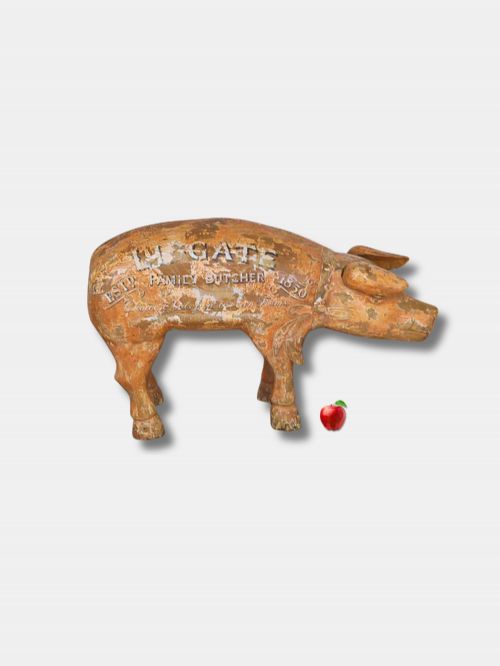
Tobacconists, butchers, and grocers frequently employed three-dimensional figures such as Highlanders, cigar store Indians, and animals to advertise their specific commodities.
These sculptural forms communicated goods instantly to a public where literacy rates varied.