






Carved Ship Model
These carved ship model examples bring maritime history into the room, spanning nineteenth-century folk art halves and cased dioramas built by sailors and local boatbuilders.
Carved Ship Model
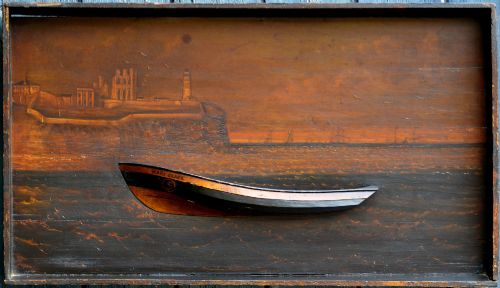
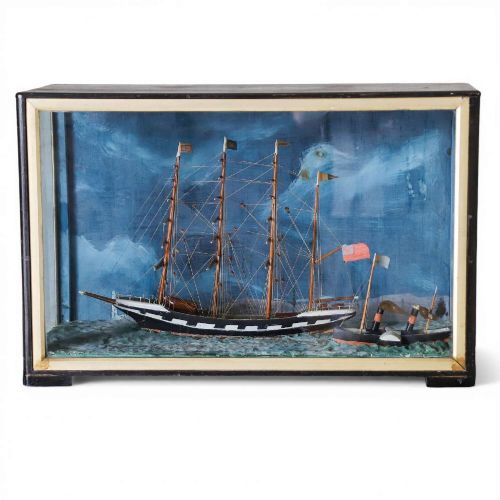
A carved ship model captures the maritime world through various forms, including cased dioramas, half hulls, pond yachts, and scratch-built sailing vessels. Buyers seeking these pieces will encounter works ranging from simple wooden hulls to intricate depictions of named ships.
The selections span the nineteenth century into the twentieth century, taking shape as Victorian maritime folk art, Edwardian pond yachts, and detailed shadow boxes. These objects originate from coastal communities and workshops, reflecting the deep seafaring traditions of Britain and beyond.
Most items on this page fall into distinct categories such as wall art maritime dioramas or freestanding decorative model boats. A buyer is most likely to meet nineteenth-century folk art pieces and large wooden pond yachts built for display.
Materials and construction methods
Wood serves as the primary medium, utilising pine, sycamore, and mahogany carved to form hulls, waves, and deck structures. Makers often integrated paint, canvas, glass, and brass to render seascapes, sails, and miniature fittings with realistic detail.
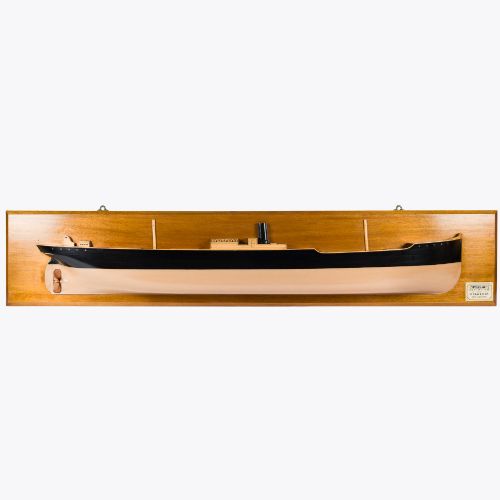
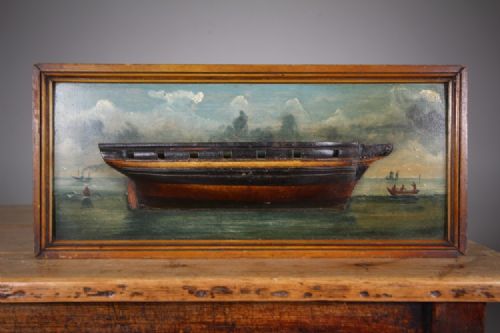
Construction techniques combine traditional boatbuilding methods with folk art ingenuity, seen in scratch-built sailing ships and half hulls mounted on boards or marble bases. Dioramas frequently employ layered painted canvas and carved wooden elements enclosed behind glass cases to create depth.
Carved Ship Model Retail Price Guide 2026
Typical asking prices for carved ship model among the pieces listed under this phrase on Sellingantiques today, from the lower quarter to the upper quarter. They describe what is for sale here now, not the wider market.
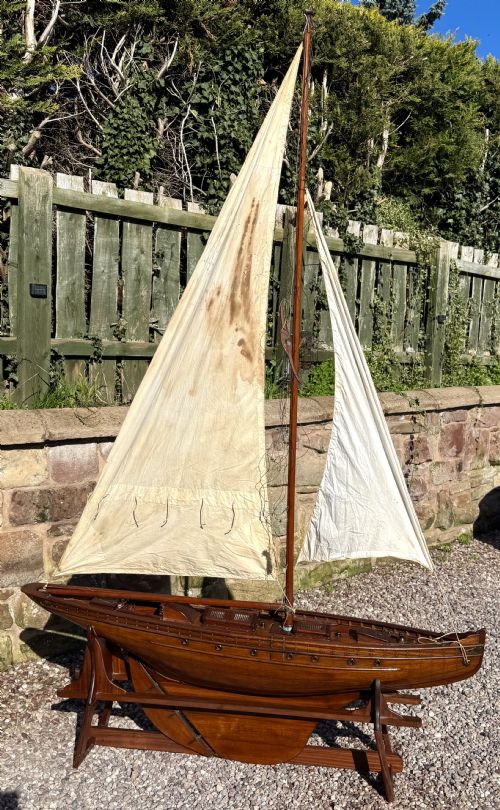
One massive antique pond yacht reaches nearly eight feet high on its stand, ready for a very deep pond.
Assessing quality in maritime carvings
Quality rests in the precision of the carving, the complexity of the rigging, and the preservation of original painted surfaces. Superior pieces demonstrate an accurate understanding of naval architecture combined with expressive folk art detailing.
The integration of the setting elevates certain dioramas, particularly those depicting named vessels against painted coastal backgrounds or dramatic seascapes. Condition of the enclosing glass case and the stability of the wooden components also distinguish finer examples from simpler work.
W. Grey & Co
The Carved Ship Model Glossary
- Half hull model
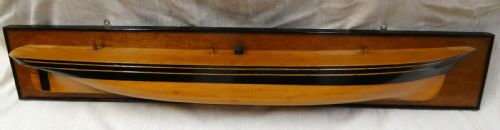
- A representation of one side of a ship's hull, typically mounted on a board for display by boatbuilders or owners. These models allowed designers to visualise hull shapes before full construction.
- Maritime diorama
- A three-dimensional scene enclosed in a glass-fronted case depicting ships at sea or entering harbour. Painted backgrounds and carved waves give these displays a sense of movement and depth.
- Pond yacht
- A large model sailing boat designed to be sailed on open water or kept on a stand as a decorative object. They date predominantly from the Victorian and Edwardian eras.
- Scratch built
- A model constructed entirely from raw materials without the aid of a commercial kit. Makers utilised scraps of wood, metal, and canvas to build these vessels by hand.
Carved Ship Model: Frequently Asked Questions
What is a half hull model?
A half hull model is the starboard or port side of a ship shaped in wood, mounted on a wooden backboard.
Boatbuilders and owners used these pieces to study hull lines or display a vessel's profile on a wall.
How were maritime dioramas displayed?
Maritime dioramas are typically housed within wooden shadow boxes or glazed cases to protect the delicate rigging and painted canvas.
Collectors usually place them on sideboards or hang them on walls where light can enter the glass front.
What materials did makers use?
Makers relied primarily on wood such as pine, sycamore, and mahogany for the hulls and waves.
They added paint, canvas, glass, metal, and brass to complete the rigging, seascapes, and display fittings.
How do I date a pond yacht?
Dating relies on the construction style, timber type, and hardware used for the deck fittings and sails.
Victorian and Edwardian examples often feature substantial wooden hulls built along the lines of working vessels of the period.