



Carved Rush Seat Chairs
Carved rush seat chairs bring tactile warmth to a room, pairing sturdy timber frames with woven organic seating.
Carved Rush Seat Chairs
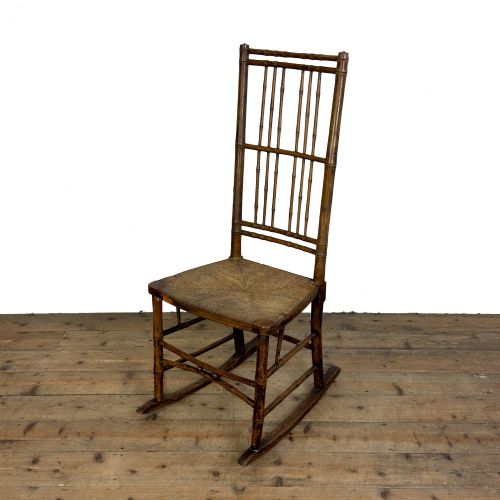
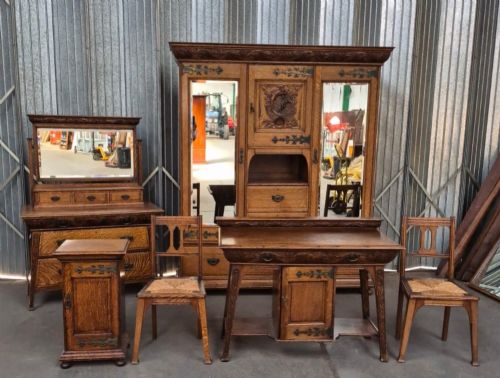
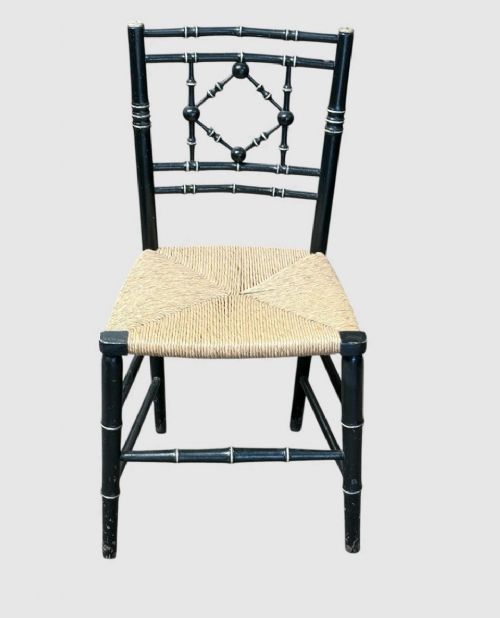
Carved rush seat chairs combine carved wooden frames with natural woven seating, spanning dining chairs, side chairs, armchairs, and rocking chairs. When you browse carved rush seat chairs on this page, you encounter pieces originating from provincial France, the English countryside, and Scotland, alongside Victorian and Edwardian interpretations.
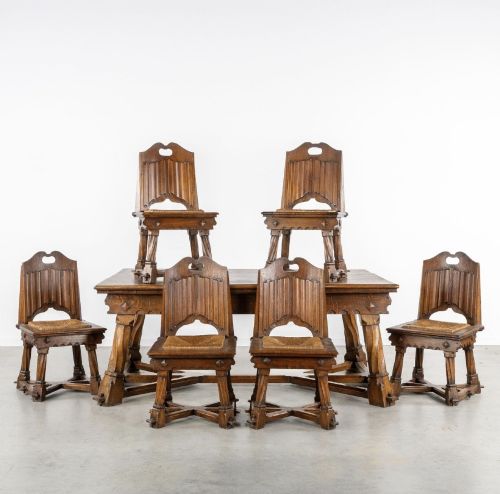
The selection ranges from robust oak and walnut kitchen seating to refined mahogany corner chairs and inlaid bedroom suites. You also find vernacular forms like ladder backs, spindle backs, and the distinctive Orkney design, dating from the eighteenth century through to the early twentieth century.
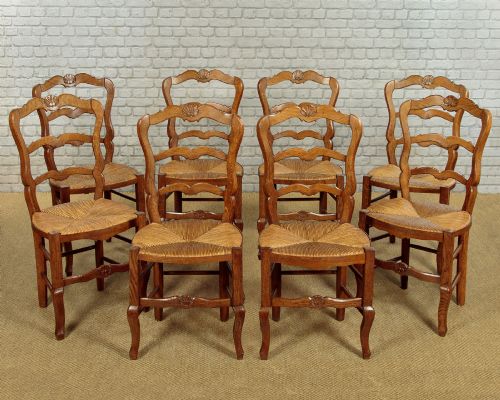
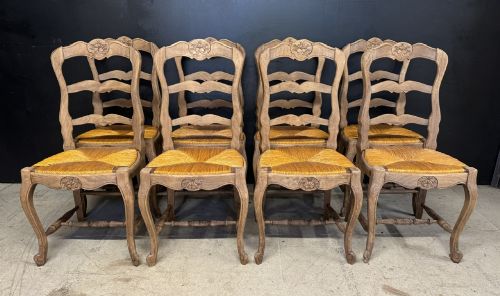
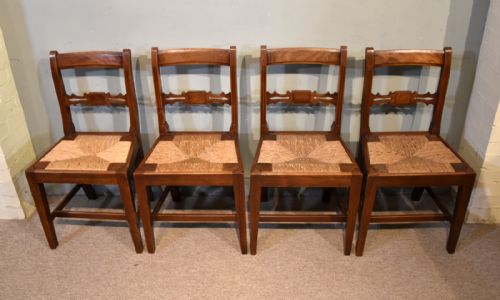
Regional variations define the appearance, with French provincial examples featuring ladder backs and hoof feet, while British country pieces lean towards fruitwood, elm, and oak construction. These seating options suit rustic dining spaces and traditional studies alike, offering enduring utility through their resilient woven seats.
How they were made
Makers utilised solid timbers including oak, mahogany, walnut, pine, fruitwood, and elm to construct the load-bearing frames. Joinery relied on traditional pegging and mortise techniques to ensure structural stability across dining chairs and armchairs.
Seats were woven by hand using natural rush or straw, tightly coiled and wrapped around the wooden seat rails to create a durable, supportive surface. Carving was applied by hand to the wooden crest rails, splats, and stiles, incorporating stylistic elements from the Aesthetic Movement, Arts and Crafts, and regional vernacular traditions.
Carved Rush Seat Chairs Retail Price Guide 2026
Typical asking prices for carved rush seat chairs among the pieces listed under this phrase on Sellingantiques today, from the lower quarter to the upper quarter. They describe what is for sale here now, not the wider market.
Listings feature rush, oak, mahogany, walnut, pine, straw, iron, and glass across various nineteenth and early twentieth century styles.
What varies in quality
The calibre of timber selection and the depth of hand-carving set finer examples apart from simpler utilitarian seating. Dense hardwoods like oak, walnut, and mahogany provide greater longevity and sharper detail in carved motifs compared to softer pine or fruitwood.
The tightness and uniformity of the rush weaving dictate the integrity of the seat, with skilled craftsmanship showing in even tension and tidy corner turns. Original surface patination and the retention of authentic structural components also determine the standing of each piece.
The Carved Rush Seat Chairs Glossary
- Rush
- A marsh plant used for weaving chair seats. Its pliable nature makes it durable when tightly twisted.
- Ladder back
- A chair back featuring horizontal wooden slats resembling the rungs of a ladder. This form is common in country and provincial seating.
- Splad
- The central vertical wooden upright in the middle of a chair back. It often bears carved decoration.
- Stile
- The upright vertical side post of a chair back. It frames the central splat.
- Vernacular
- Regional furniture made by local craftsmen for everyday use. These pieces reflect traditional local styles rather than high-fashion urban trends.
Carved Rush Seat Chairs: Frequently Asked Questions
How do I clean a rush seat?
Dust the woven surface regularly with a soft brush to remove debris trapped between the fibres. Avoid using excess water, as moisture causes natural rush to swell and weaken over time.
For spot cleaning, use a slightly damp cloth with mild soap, then dry the area quickly with a clean towel. Keeping the room at a stable humidity prevents the straw from becoming brittle.
Can broken rush seats be repaired?
Skilled craftspeople can re-weave damaged rush seats using traditional materials and techniques. The old straw is removed entirely before a fresh strand is twisted and wound around the frame.
This restoration process preserves the original wooden structure of the chair while restoring full functionality to the seat. Professional rewinding ensures the tension matches the historical specification.
Are these chairs suitable for daily dining?
Most sturdy oak, fruitwood, and elm chairs handle everyday meals comfortably when used on even floors. The resilient nature of woven rush provides a supportive surface for regular seating.
Protect the wooden legs from scraping by placing felt pads underneath if your floors are hard. Distribute weight evenly and avoid rocking back on the rear legs to protect the historical joinery.
How do I identify a regional style?
Examine the timber choices and the shaping of the ladder backs or crest rails to trace geographic origins. French provincial examples often display curved aprons and hoof feet, while British country pieces favour simpler turned supports.
Comparing the decorative carving against documented vernacular traditions helps confirm whether a chair originates from Scottish, English, or continental workshops.