

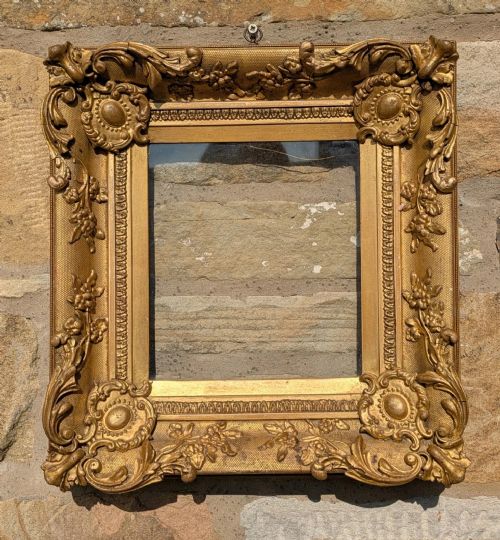


Carved Portrait Mirror
These carved portrait mirror pieces combine historic woodcraft with reflective glass, offering a focal point that suits traditional and eclectic rooms alike.
Carved Portrait Mirror
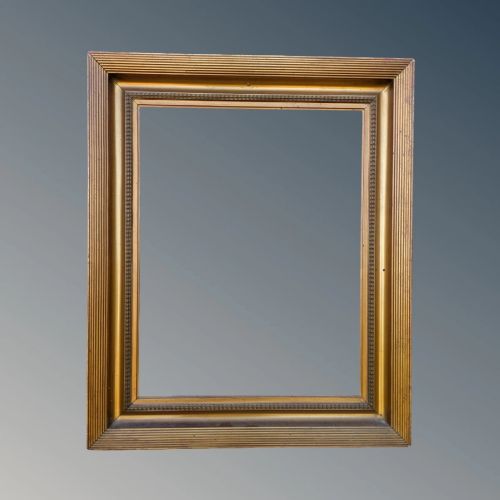
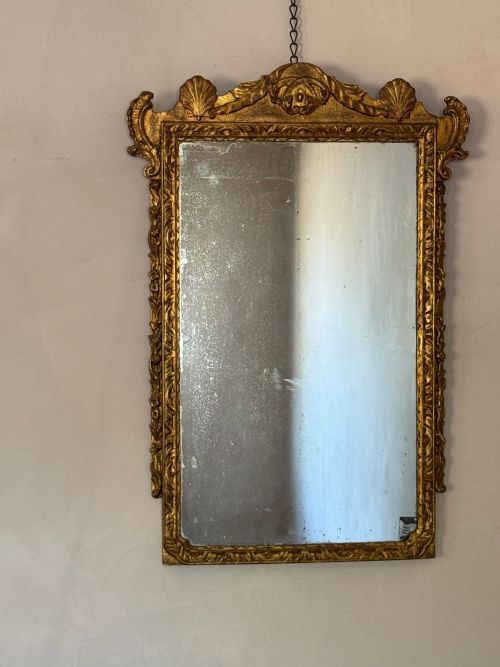
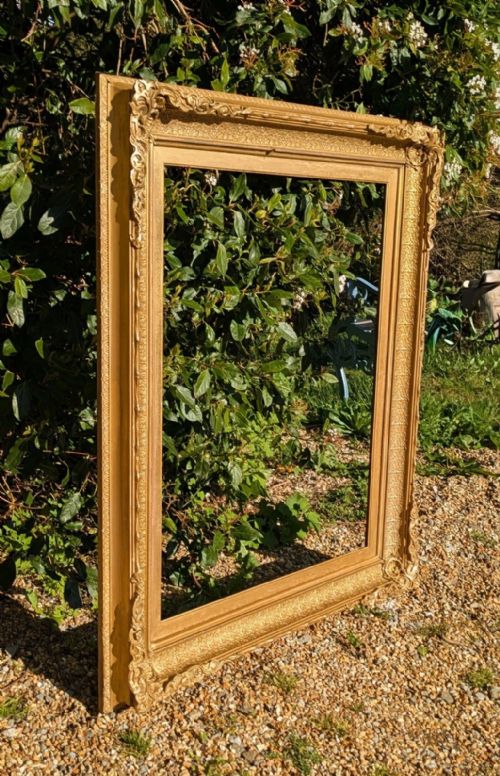
A carved portrait mirror brings together historic frames and reflective glass, drawing on styles from the seventeenth century through to the Victorian era. You encounter wall mirrors, overmantels, and adapted picture frames designed for vertical hanging.
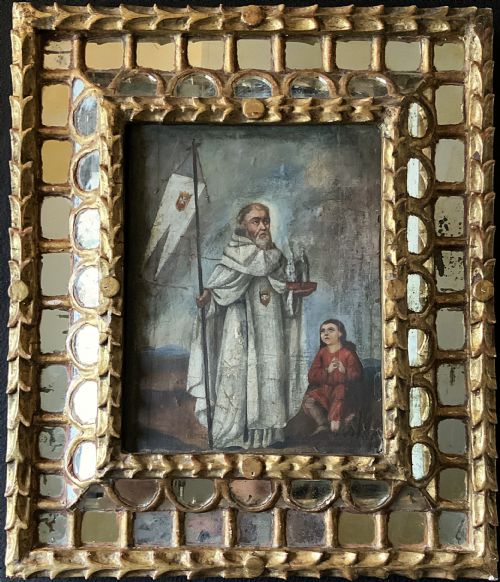
The pieces on this page span diverse aesthetic traditions, including Spanish Baroque, Italian Renaissance, and Victorian Rococo Revival. Walnut timber and gilded gesso surfaces appear frequently across the selection.
Many examples originate from French and Italian workshops, whilst others reflect British cabinet-making traditions. Buyers often select these vertical formats to anchor a room or create height above a mantelpiece.
How they were made
Carvers shaped timber foundations from walnut, timber, and softwood, utilising hand chisels to create deep relief ornamentation. Gesso was then applied in layers over the wood to build up crisp decorative details.
Makers finished many of these surfaces with gold leaf or giltwood, adding brilliance to the carved foliage and scrollwork. Glass panels, often bevelled or silvered by hand, were fitted into the rebated backs of the frames.
Several mirrors carry old collector labels and chalk inscriptions on their reverse boards, whispering secrets of past gallery exhibitions and country house moves.
What varies in quality
Quality rests in the crispness of the hand carving and the depth of the gesso application beneath the gilding. Superior examples display sharp undercutting and harmonious proportions rather than flat or mechanically pressed ornamentation.
The integrity of the timber frame and the originality of the mirror glass or gilded surface influence the character of each piece. Retaining the original backing boards and undisturbed gold leaf indicates a well-preserved survival.
The Carved Portrait Mirror Glossary
- Gesso
- A plaster-like mixture applied to wood frames as a base for gilding or painting. It allows carvers to achieve fine, sharp details.
- Giltwood
- Timber coated with gold leaf or gold paint to simulate solid gold. This finish catches the light and defines carved motifs.
- Overmantel mirror
- A large horizontal or vertical glass designed to hang above a fireplace mantel. These pieces frequently repeat the decorative motifs of the room.
- Trumeau mirror
- A decorative wall mirror paired with a painted panel or oil painting above the glass. Originating in France, it dominated refined interior schemes.
Carved Portrait Mirror: Frequently Asked Questions
How do I hang a heavy carved mirror?
These heavy frames require sturdy fixings screwed directly into wall studs or masonry anchors. Professional mirror hangers use heavy-duty D-rings and steel wire rated well above the weight of the timber and glass.
Ensuring the weight distributes evenly across the hanging points protects the antique frame joints from undue stress over time.
Can these mirrors be cleaned safely?
Dust the carved wooden elements gently with a soft, dry brush to remove particles without disturbing the surface. Avoid using harsh chemical sprays on gilded or gesso areas.
Use a minimal amount of glass cleaner applied to a cloth rather than the glass directly, preventing liquid from seeping behind the silvering.
Are portrait mirrors meant for vertical hanging only?
Whilst designed with vertical proportions in mind, certain rectangular frames possess balanced fixings that accommodate landscape orientation. Examining the placement of original hanging loops provides guidance on the intended display.
Orientation depends largely on the balance of the carved motifs at the top and bottom of the frame.
How do I identify a Victorian reproduction?
Victorian makers often utilised machine-cast composition ornament rather than hand-carved gesso and wood. Inspecting the relief under magnification reveals whether the detail was modelled by hand or pressed into a mould.
Tool marks on the reverse of the timber further help distinguish period handcraft from later manufacturing methods.