






Carved Oak Supports
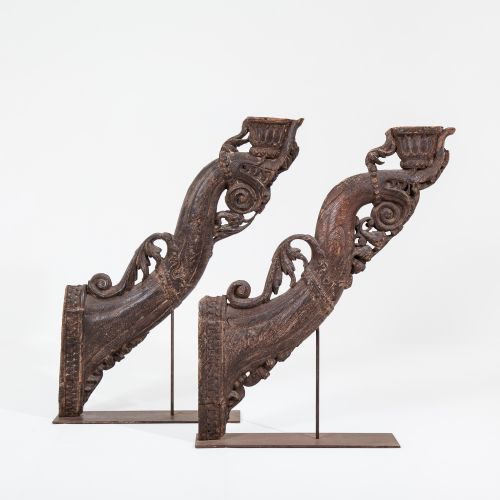
Carved oak supports are structural and decorative timber elements that range from medieval building brackets to revivalist furniture legs, giving architectural character to domestic interiors.
Carved Oak Supports
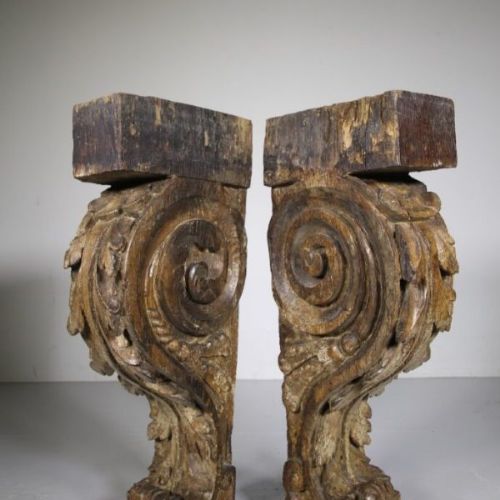
Carved oak supports encompass architectural salvage, furniture components, and functional decorative objects encountered across centuries of woodworking. When searching for carved oak supports, buyers encounter items varying from seventeenth-century continental building brackets to twentieth-century revivalist furniture elements.
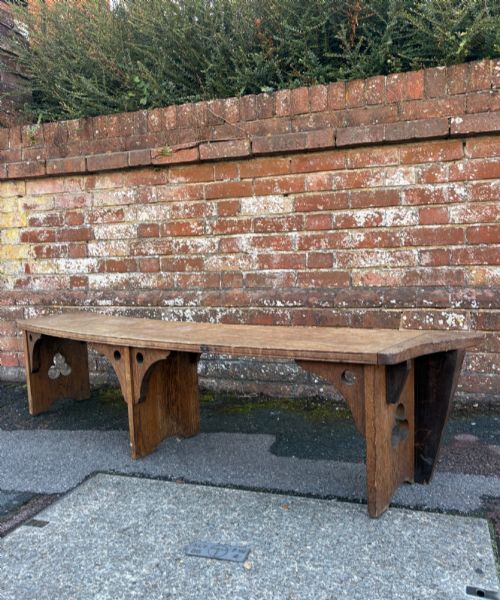
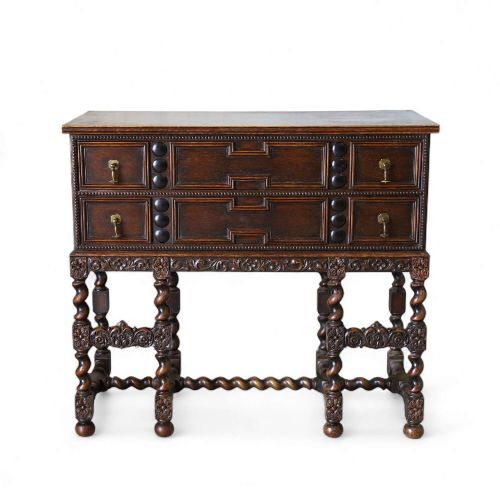
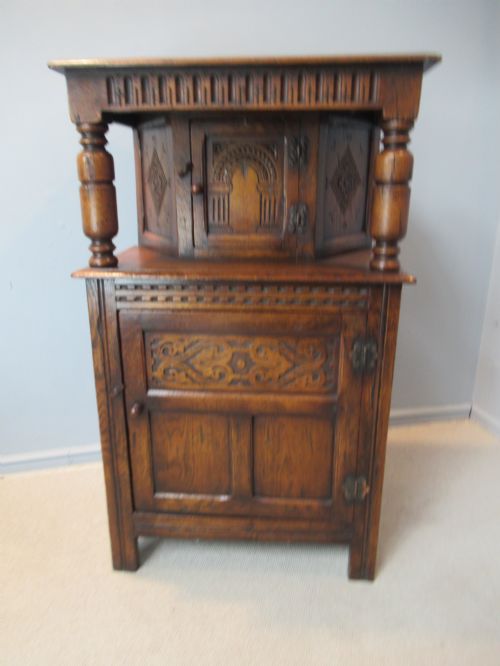
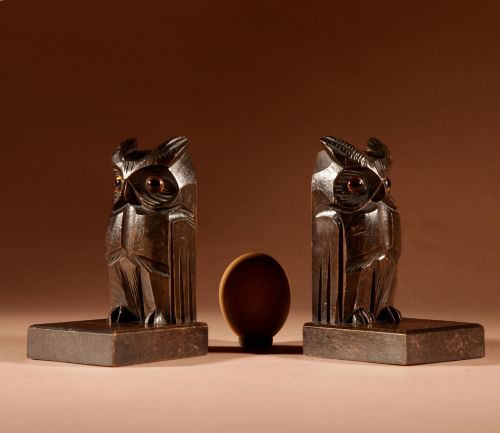
The selections span distinct domestic forms, including benches with trefoil carvings, sideboards featuring barley-twist legs, court cupboards, and bookends depicting animals. Seventeenth-century examples sit alongside Victorian, Edwardian, and later twentieth-century interpretations, showing how makers continually returned to heavy timber framing.
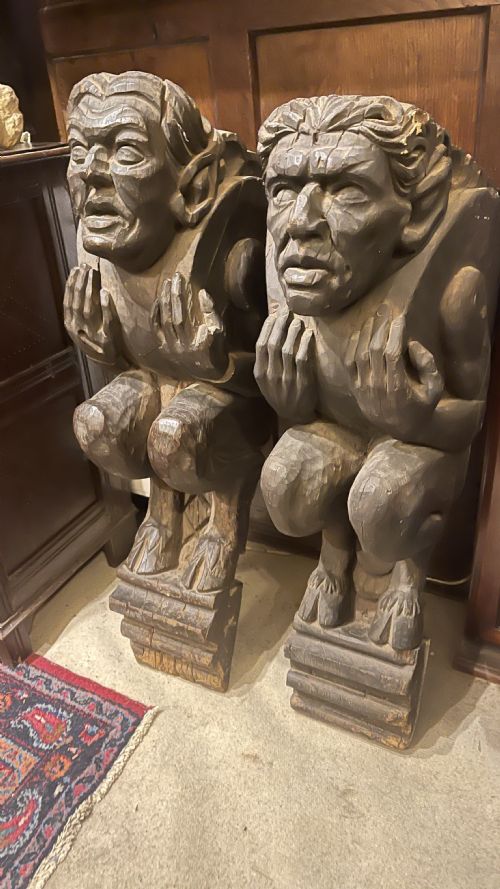
Architectural salvage forms a significant portion of these items, alongside furniture parts such as bed posts and table ends. Continental workshops and English makers alike utilised dense timbers to produce functional supports that doubled as sculptural relief carvings.
Assessing quality and craftsmanship
Quality rests in the precision of the hand-carving and the structural integrity of the timber itself. Finer pieces display confident undercut relief work, natural anatomical proportions in figurative subjects like owls and elephants, and well-chosen grain patterns in burr oak.
Age and origin establish the baseline of interest, with seventeenth-century continental brackets and Georgian corbels demonstrating superior timber selection compared to mass-produced twentieth-century revival items. The crispness of the chisel work separates competent commercial output from exceptional sculptural carving.
Carved Oak Supports Retail Price Guide 2026
Typical asking prices for carved oak supports among the pieces listed under this phrase on Sellingantiques today, from the lower quarter to the upper quarter. They describe what is for sale here now, not the wider market.
Listings feature items spanning the sixteenth century through the 1930s, utilising oak, burr oak, linden wood, iron, and brass.
The Carved Oak Supports Glossary
- Corbel
- A structural piece of stone or timber jutting from a wall to carry a superincumbent weight. These wooden examples frequently terminate in scroll or figurative designs.
- Court cupboard
- A heavy seventeenth- or nineteenth-century sideboard featuring recessed upper sections supported by carved posts or columns. They served to display plate and store provisions.
- Barley-twist
- A type of turning resembling a spiralling rope or column, popular on seventeenth-century furniture and revived during the early twentieth century.
- Trefoil
- A graphic ornament consisting of three overlapping rings or leaf-shaped lobes. It appears frequently in Gothic revival tracery and bench carvings.
- Burr oak
- A timber harvested from abnormal growth knots in oak trees, yielding highly figured grain patterns utilised for decorative tabletops and partners desks.
Carved Oak Supports: Frequently Asked Questions
What are carved oak supports used for?
These items function both as structural load-bearing timbers salvaged from buildings and as decorative furniture components such as table legs, bed posts, and bookends.
Historically, they transferred the weight of upper floors or roof structures while providing ornamental relief to plain masonry or timber walls.
How do I date antique oak supports?
Dating relies on tool marks, timber shrinkage, style evolution, and construction methods characteristic of specific periods like the seventeenth century or the Georgian era.
Revival pieces from the nineteenth and twentieth centuries often copy earlier Jacobean or Carolean motifs but reveal machine-sawn surfaces or softer modern fixings.
Are Black Forest bookends made of oak?
Black Forest carvings are typically executed in linden wood rather than oak, depicting naturalistic subjects like owls and elephants with glass eyes.
They share a sculptural approach with architectural woodwork but utilise softer European timbers suited to intricate, minute carving.