




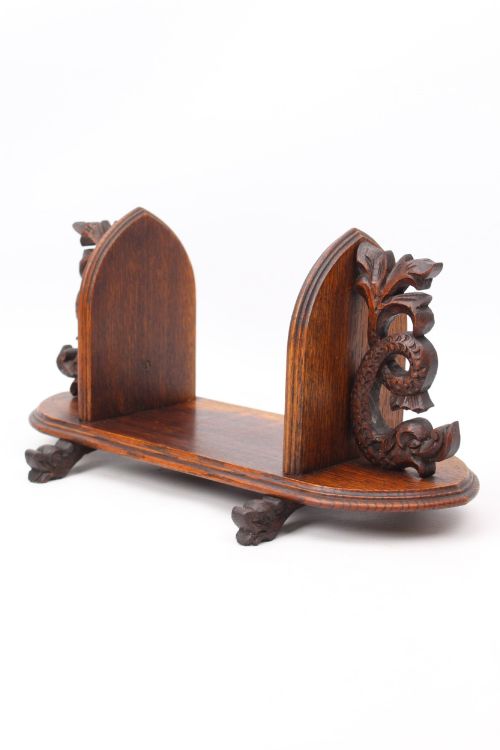
Carved Oak Rack
A carved oak rack brings solid timber and traditional utility into an interior, offering practical storage through enduring joinery.
Carved Oak Rack
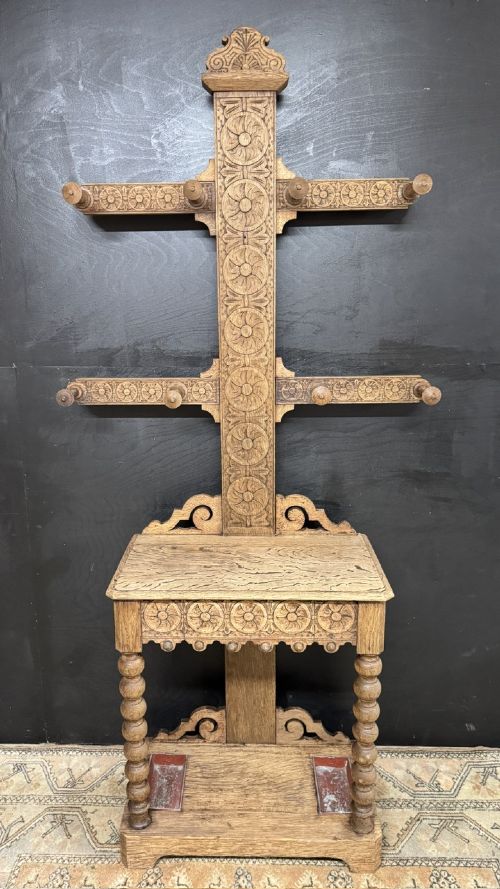
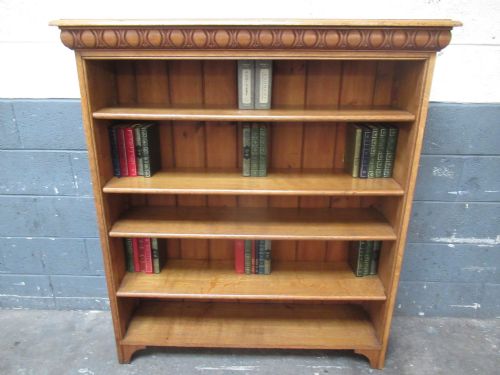
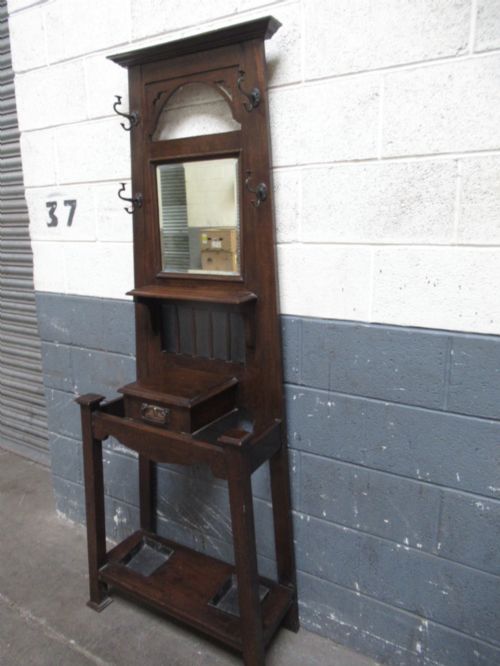
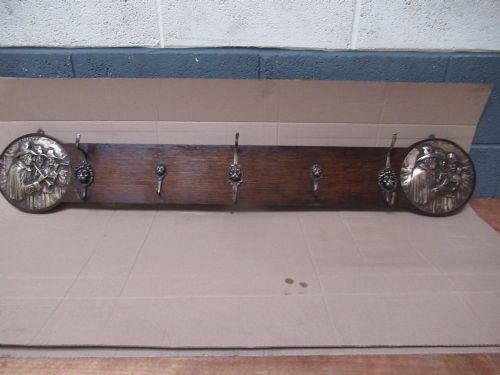
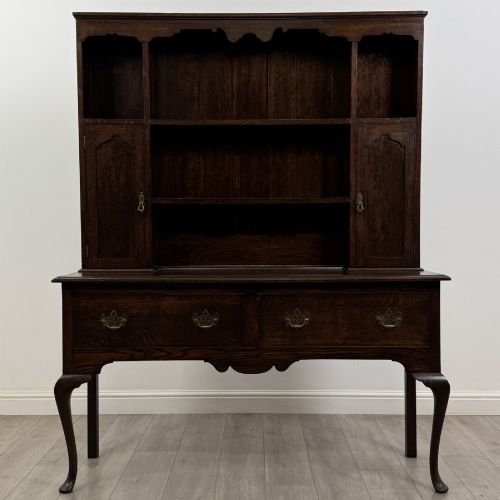
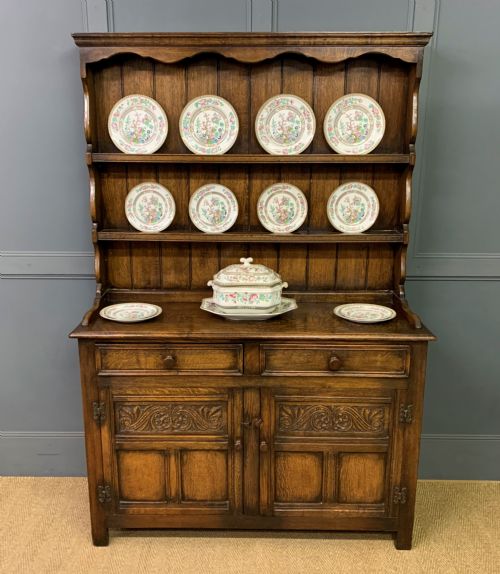
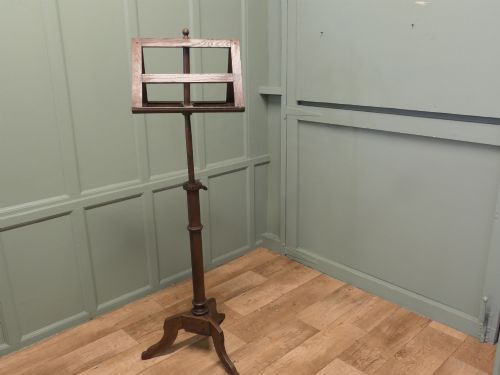
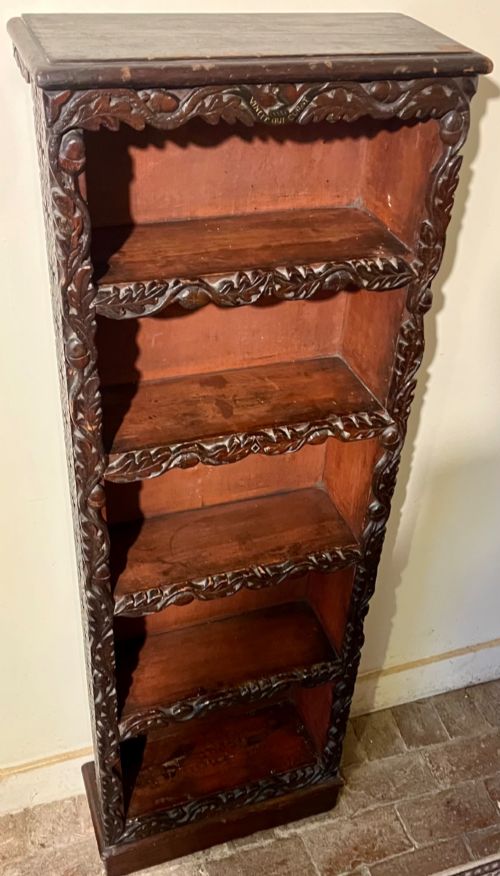
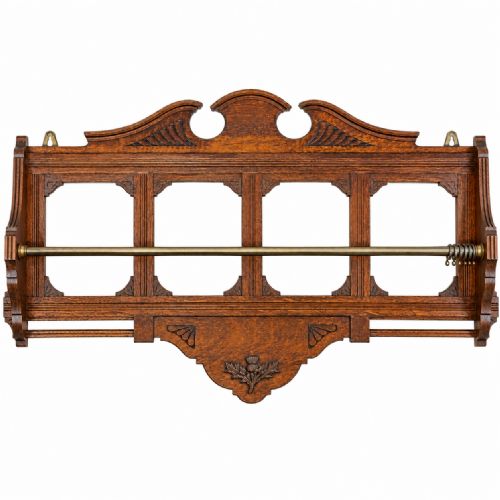
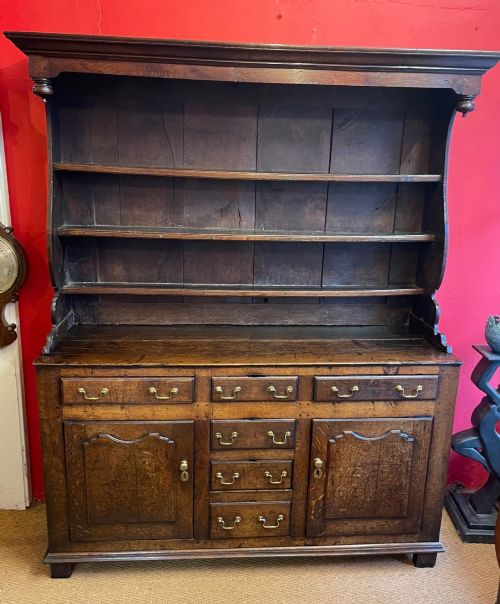
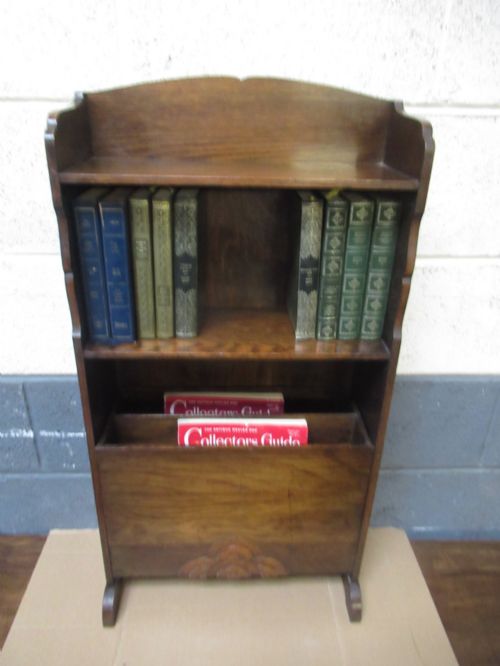
A carved oak rack covers a variety of domestic furnishings designed for display or hanging, spanning periods from the 18th century through the Edwardian era and the early 20th century. Buyers searching for a carved oak rack most frequently encounter wall-mounted coat hooks, umbrella and stick stands, hall stands, and plate or spoon racks shaped from solid timber. These items reflect traditional English country house and Gothic Revival tastes, often incorporating carved detail alongside functional pegs or shelves.
The material palette recorded across these listings centres on oak, frequently paired with brass or iron hardware and occasionally incorporating mirror glass or wood variants such as mahogany. Pieces emerge from distinct periods including Georgian, Victorian, Edwardian, and Arts and Crafts movements, displaying styles from simple vernacular forms to heavier Jacobean Revival and Gothic Revival ornamentation. Hall stands and coat racks dominate the forms, offering practical hallway solutions with carved panels and integrated hooks.
Assessing quality
Quality rests in the crispness and depth of the hand-carving and the structural integrity of the timber joints rather than superficial surface decoration. Superior examples demonstrate thoughtful proportion, well-figured oak grain, and original metal hardware that matches the period of the piece. Lesser items may show mechanical rather than hand-carved detailing, replaced hooks, or timber that has suffered from poor atmospheric storage.
The integration of functional elements, such as securely pegged joinery and properly seated mirror glass or drip pans in umbrella stands, distinguishes better workshops from mass-produced equivalents. Proportion and balance in larger hall stands or dressers indicate the maker's competence, ensuring the piece stands true without excessive timber movement or warping.
Carved Oak Rack Retail Price Guide 2026
Typical asking prices for carved oak rack among the pieces listed under this phrase on Sellingantiques today, from the lower quarter to the upper quarter. They describe what is for sale here now, not the wider market.
The listings show oak combined with brass, iron, and mirror glass across Victorian, Edwardian, and Arts and Crafts periods.
J Parker of Woodstock
The Carved Oak Rack Glossary
- Green Man
- A sculptural architectural ornament depicting a human face surrounded by or disgorging foliage, frequently encountered on Victorian and Edwardian carved oak furniture.
- Gothic Revival
- An architectural and decorative style drawing inspiration from medieval forms, characterised by pointed arches, tracery, and heavy carved mouldings.
- Arts and Crafts
- A design movement promoting traditional craftsmanship, vernacular forms, and simple construction using local materials such as solid oak.
- Hall Stand
- A substantial hallway item combining coat hooks, a central mirror, a glove drawer or seat, and lower umbrella wells with drip pans.
- Trefid Spoon
- An early style of spoon featuring a flat, notched terminal, often associated with pewter finds displayed in antique racks.
Carved Oak Rack: Frequently Asked Questions
How do I clean a carved oak rack?
Dust the carved surfaces regularly with a soft, dry cloth to prevent dirt accumulation in the recesses of the timber.
Apply a traditional beeswax polish sparingly once or twice a year to nourish the oak and maintain a soft sheen without building up a heavy residue.
Can these wall racks support heavy coats?
Wall-mounted racks attached directly to solid masonry or properly located timber studs will support heavy winter garments securely.
Ensure that the original fixing points or newly added brackets utilise appropriate wall anchors corresponding to the weight capacity of the piece.
Where should I place an umbrella stand?
Position the stand near an entryway or hallway where wet items can be deposited before entering main living spaces.
Verify that the floor or internal metal drip tray is sound to protect surrounding carpets and wooden floorboards from moisture.
How do I distinguish Edwardian oak from Victorian oak?
Victorian oak pieces often display heavier ornamentation, darker factory finishes, and more pronounced Gothic or Jacobean Revival influences.
Edwardian items generally exhibit lighter golden tones, simpler rectilinear proportions, and influences from the Arts and Crafts movement.