

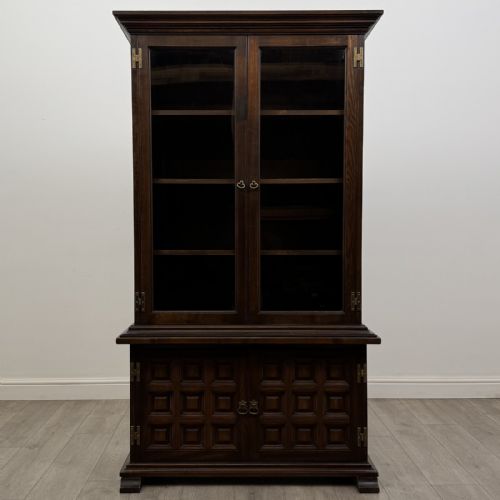
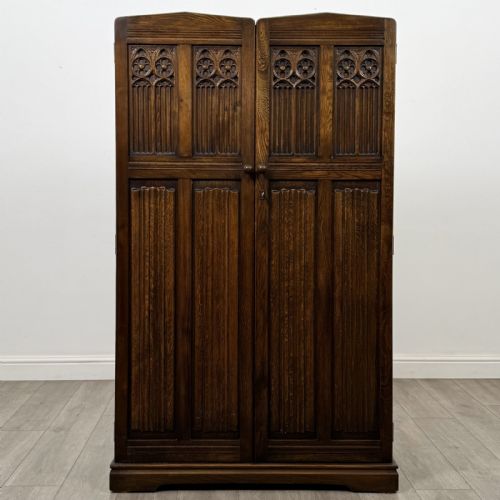
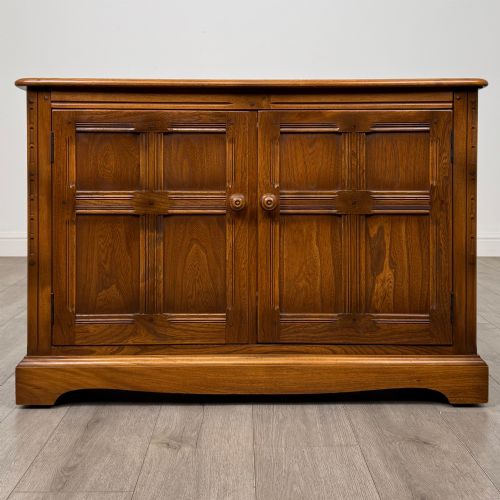
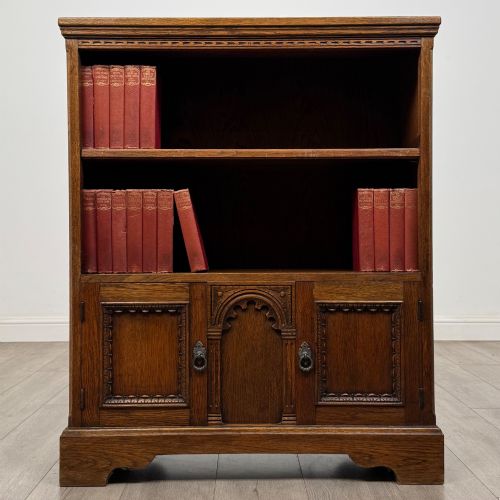

Carved Oak Panel Doors
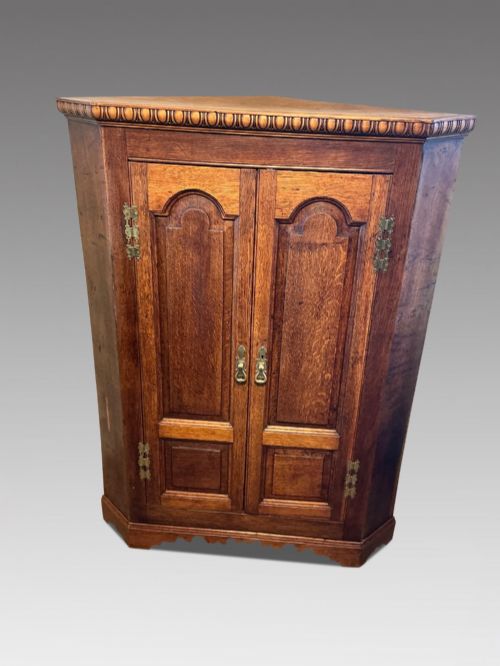
These carved oak panel doors and related architectural elements bring tangible age and robust timber texture into an interior.
Carved Oak Panel Doors
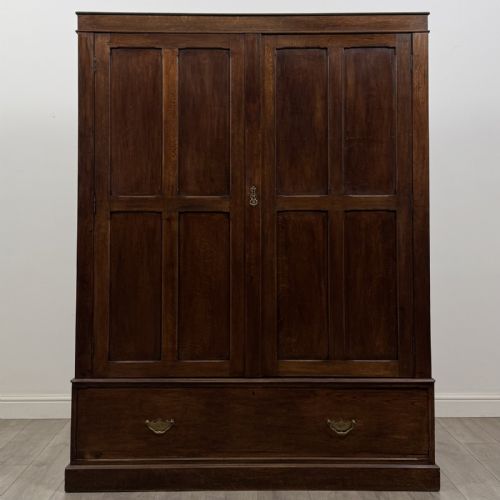
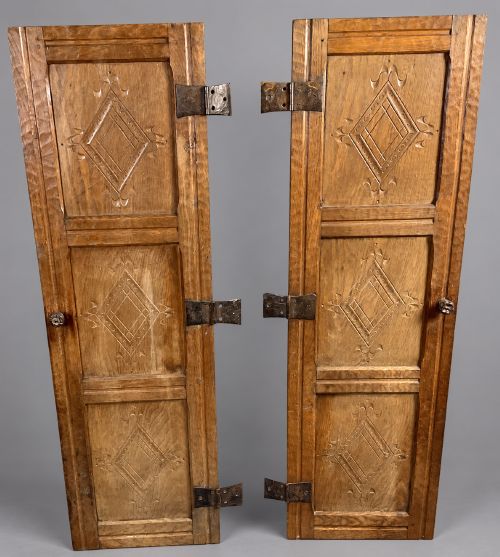
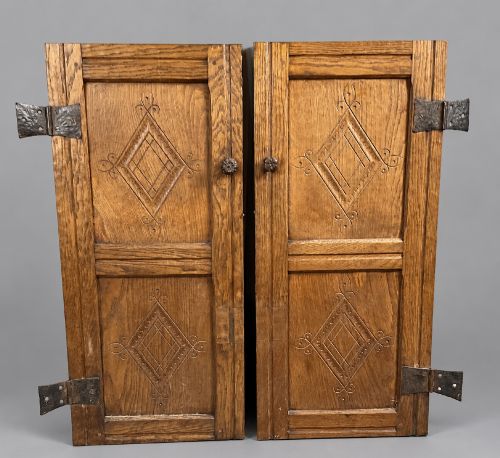
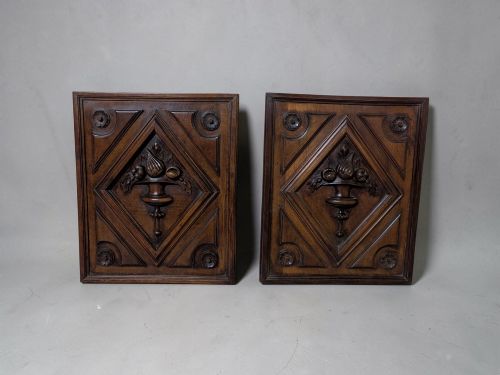
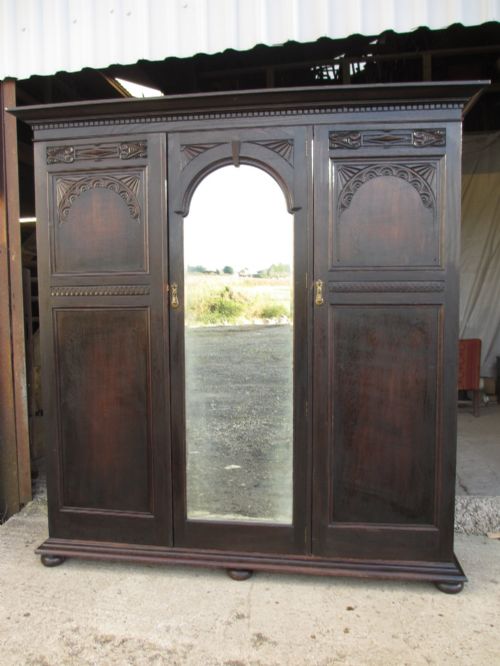
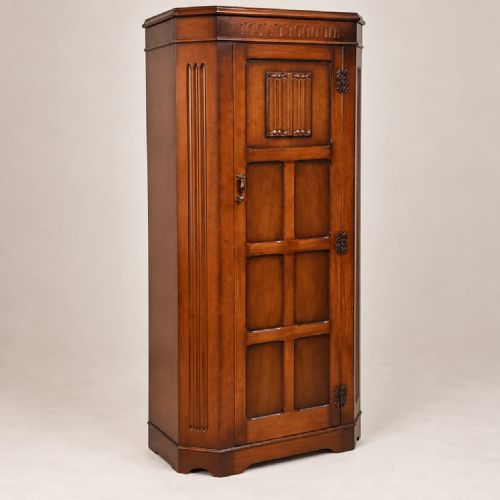
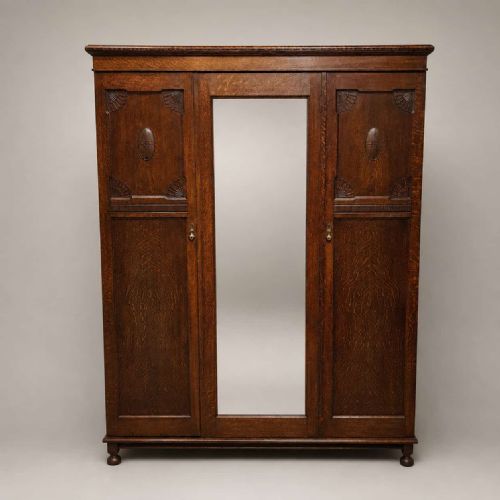
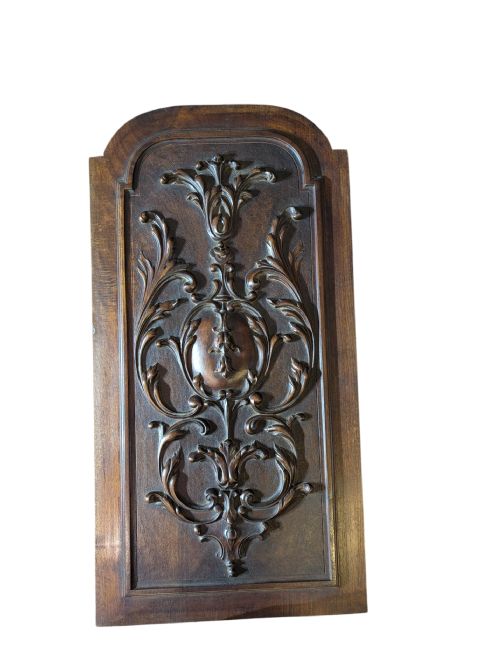
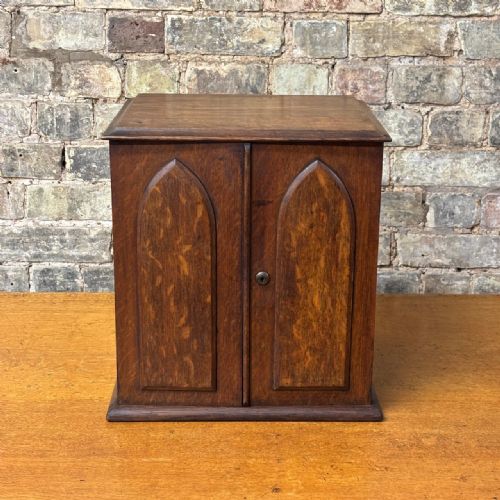
When you search for carved oak panel doors, you encounter architectural salvage, cabinetry, and French chateau doors spanning the seventeenth century to the twentieth century. These pieces range from substantial sets of doors to individual panels, overdoor elements, and fitted furniture incorporating carved woodwork.
The selections on this page frequently manifest as nineteenth-century French doors, Edwardian wardrobes, and seventeenth-century style cabinets. Solid timber construction dominates, often displaying deep relief carving, linenfold motifs, or revival styles such as Jacobean and Gothic.
What varies in quality
Depth and crispness of the chisel work separate standard production from superior pieces, particularly on seventeenth-century style and nineteenth-century revival carvings. Crisp undercut details indicate a more accomplished hand than soft, shallow moulding.
The integrity of the timber framing, the stability of the joints, and the retention of original hardware such as brass or iron mounts determine the structural merit of each door or panel assembly.
Carved Oak Panel Doors Retail Price Guide 2026
Typical asking prices for carved oak panel doors among the pieces listed under this phrase on Sellingantiques today, from the lower quarter to the upper quarter. They describe what is for sale here now, not the wider market.
One recorded piece includes a massive overdoor panel attributed to a master carver who evidently loved deep relief work.
Edward Pearce
The Carved Oak Panel Doors Glossary
- Stile
- The vertical outer member of a panel door frame that provides structural support and holds the hinges.
- Rail
- The horizontal framing member at the top, centre, or bottom of a door that joins the vertical stiles.
- Linenfold
- A style of carved wooden panelling resembling folded cloth, frequently seen on medieval and revival pieces.
- Architectural salvage
- Building elements and fittings rescued from older structures for reuse in interior design.
- Jacobean revival
- A decorative style from the nineteenth and twentieth centuries imitating early seventeenth-century English furnishings.
Carved Oak Panel Doors: Frequently Asked Questions
How do I date an oak panel door?
Dating relies on observing construction methods, tool marks, timber characteristics, and the style of the carving. Seventeenth-century work displays hand-riven grain and pegged joints, while later revival pieces show uniform machine sawing.
Hardware types and mounting methods also assist in establishing age, as hand-forged iron hinges differ significantly from twentieth-century brass mechanisms.
Can antique doors be used as interior doors?
Many salvaged panels and doors adapt well to modern interiors as room dividers, cupboard fronts, or wall hangings. Standard modern door frames may require modification to accommodate older imperial dimensions.
Assessing the weight of solid oak doors ensures that appropriate hinges and wall supports are installed for safe daily operation.
What is the difference between French and English oak doors?
French doors of the nineteenth century frequently exhibit lighter bleached finishes, chateau provenance, and elaborate pediments or painted surfaces. English examples tend towards darker polished oak, Jacobean revival styles, and linenfold detailing.
Both traditions utilise heavy solid timber construction, but regional design preferences shape the moulding profiles and carved motifs.
How do I care for carved oak furniture?
Maintenance involves applying high-quality beeswax periodically to nourish the dry timber and maintain a soft lustre. Avoid placing oak pieces near direct heat sources or rapid temperature shifts that cause splitting.
Dusting with a dry, soft cloth prevents particulate buildup within the deep recesses of the carved panels.