

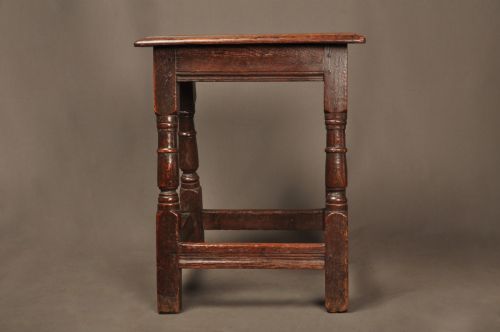


Carved Oak Accent Stool
A carved oak accent stool brings solid character and historic craft directly into a room, serving as both a seat and a small table.
Carved Oak Accent Stool
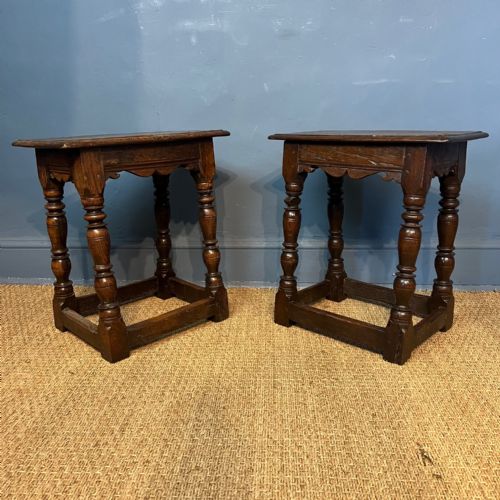
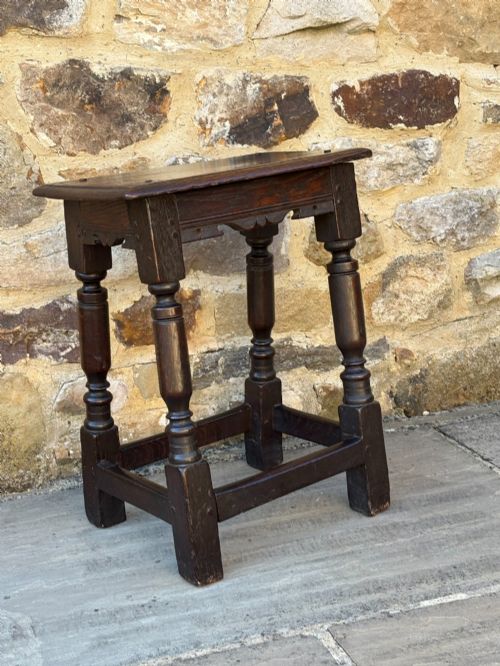
A carved oak accent stool typically takes the form of a joint stool or low side table, originating from periods spanning the seventeenth century through to the early twentieth century. These pieces appear in styles such as Jacobean Revival, Gothic Revival, and Arts and Crafts, reflecting centuries of woodworking traditions.
How they were made
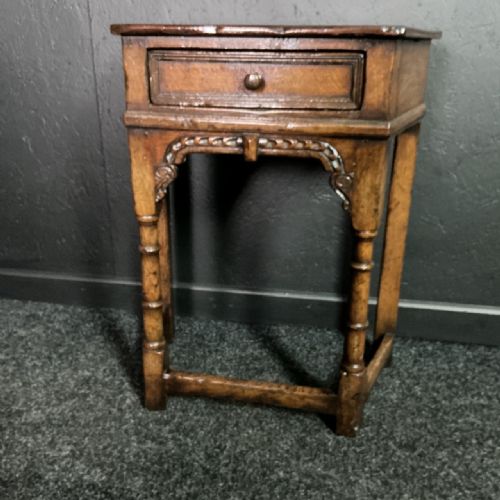
Makers utilised solid oak and solid timber, employing traditional joinery techniques such as wooden pegs and jointed framing to ensure structural stability without relying on modern metal fixings. Surfaces were shaped by hand, incorporating chip carving, bobbin turning, and detailed relief work into the dense grain.
Secondary materials like brass sometimes appear in structural or decorative elements, whilst variations in finish include stained wood and natural bark textures. This combination of robust timber and hand-carved detail defines the construction of these pieces across different centuries.
Carved Oak Accent Stool Retail Price Guide 2026
Typical asking prices for carved oak accent stool among the pieces listed under this phrase on Sellingantiques today, from the lower quarter to the upper quarter. They describe what is for sale here now, not the wider market.
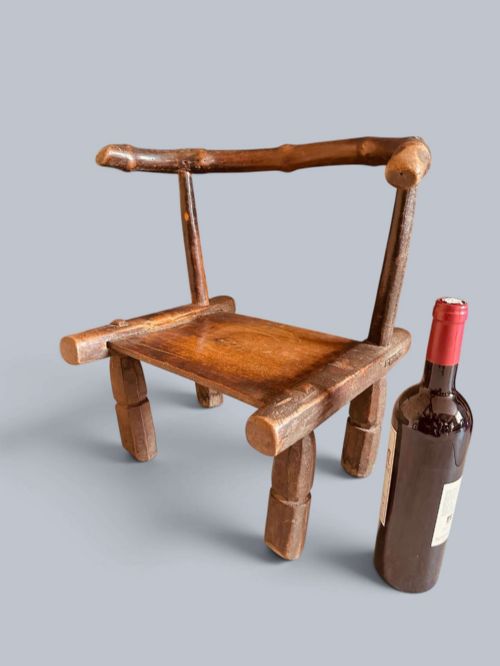
Some nineteenth-century makers could not resist adding rustic bark to a seat, proving that even historical woodworkers enjoyed a bit of woodland whimsy.
What varies in quality
The degree of hand-carving sophistication separates standard vernacular pieces from finer examples, with crisply executed chip carving and deliberate relief work showing superior craftsmanship. The depth of the timber's grain and the integrity of the pegged joints also dictate the overall standard of construction.
Historical authenticity influences the standing of a piece, particularly how well period characteristics like Jacobean or Gothic Revival styling are interpreted. Original surface patination and the survival of untouched timber surfaces further distinguish exceptional examples from later revivals.
The Carved Oak Accent Stool Glossary
- Joint stool
- A sturdy wooden stool built with pegged mortise and tenon joints rather than turned and glued legs. These pieces were originally used for sitting or serving food.
- Chip carving
- A form of relief carving where small chips are removed from a flat wooden surface to create geometric patterns. This technique appears frequently on seventeenth-century and revival furniture.
- Bobbin turning
- A type of lathe work that produces a series of rounded, spool-like shapes along the length of a furniture leg or stretcher. It gained popularity during the seventeenth century and later revivals.
Carved Oak Accent Stool: Frequently Asked Questions
What is a joint stool?
A joint stool is a sturdy wooden seat constructed with pegged joints rather than glued dowels. The frame relies on tight mortise and tenon connections.
Historically, these pieces provided flexible seating around the home and could easily double as small side tables for holding objects.
How do I use an accent stool at home?
These pieces function well as compact seats in hallways or beside larger armchairs. Their flat wooden tops also make them suitable for displaying books or lamps.
Positioning one as a low side table brings warmth and historic texture into a modern room without taking up much space.
How do I identify a revival piece?
Revival pieces often replicate earlier seventeenth-century styles whilst showing nineteenth or twentieth-century manufacturing methods. Examining the tool marks and the condition of the oak helps reveal the true period of manufacture.
Stylistic cues like Gothic Revival or Arts and Crafts details point towards later nineteenth and early twentieth-century interpretations.
Are these stools comfortable to sit on?
Original oak stools feature solid wooden seats designed for durability rather than cushioned comfort. They suit short periods of sitting rather than long lounging.
Many buyers choose to use them primarily as decorative accent furniture or stable surfaces for plants and objects.