

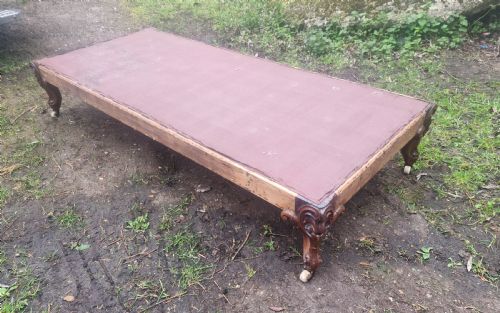


Carved Legs Low Bench
A carved legs low bench brings low seating and low tables into a room, joining small stools and low coffee surfaces from the nineteenth century.
Carved Legs Low Bench
When searching for a carved legs low bench, buyers encounter a mix of low seating forms and low tables sharing low profiles and shaped supports. The pieces on this page span nineteenth century stools, footstools, dressing stools, and low opium tables.
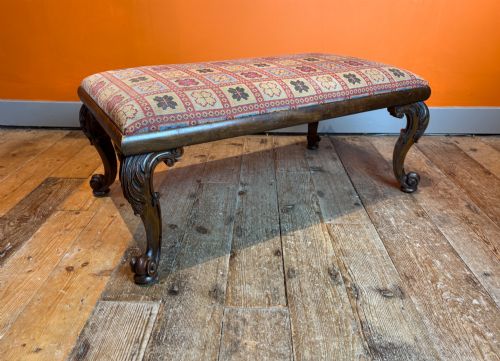
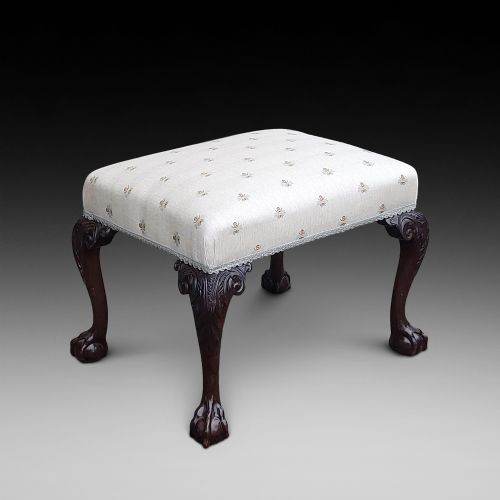
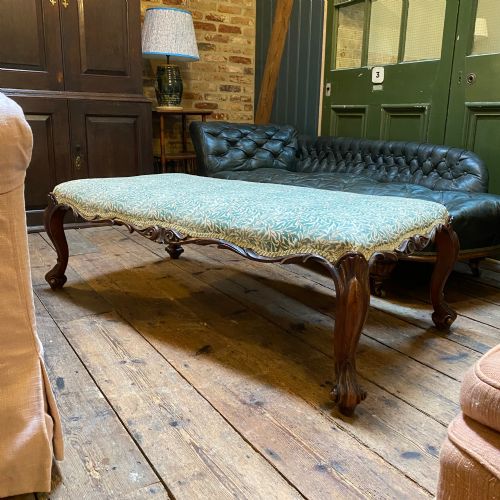
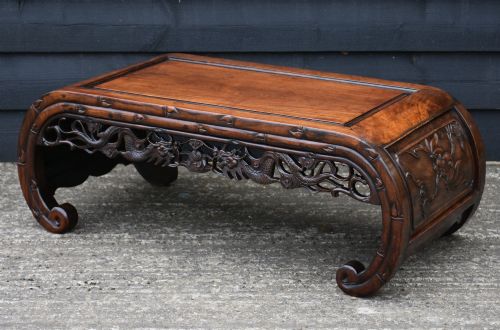
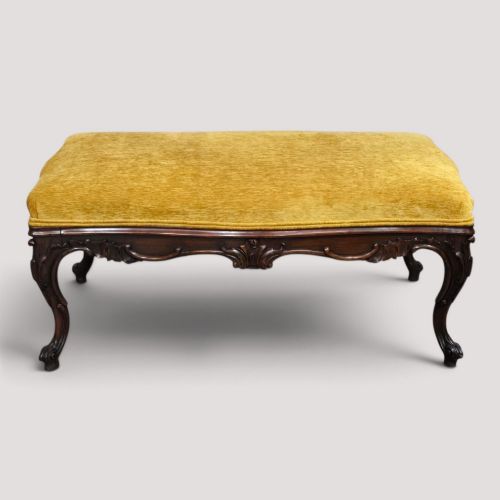
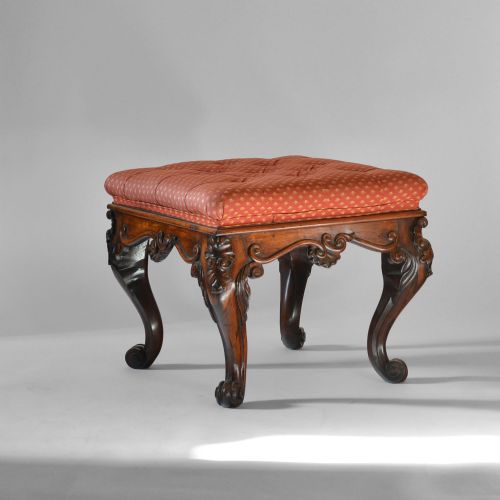
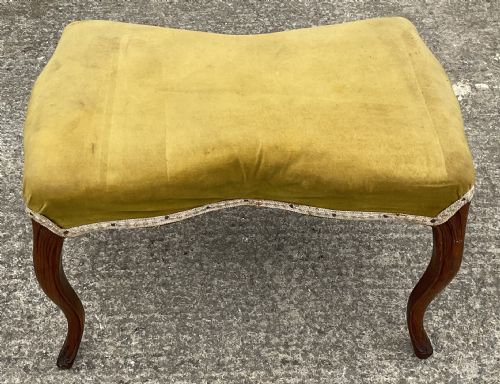
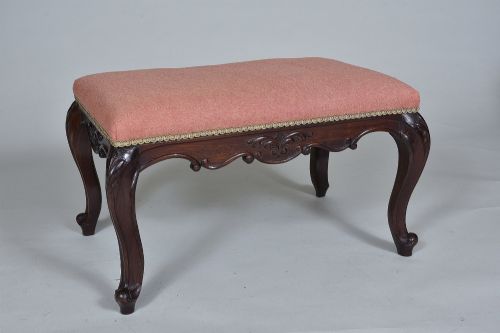
Victorian walnut and mahogany stools form the bulk of the selection, often featuring cabriole legs and upholstered tops in fabric, wool, or textile. Alongside these English forms appear Anglo-Indian rosewood items and Chinese hardwood low tables from around nineteen hundred.
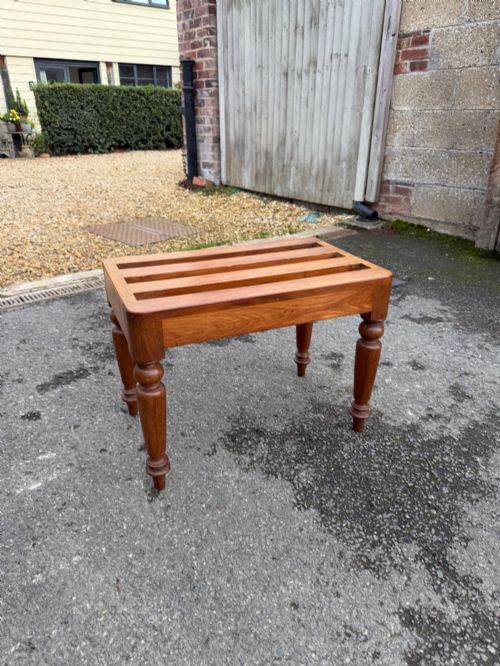
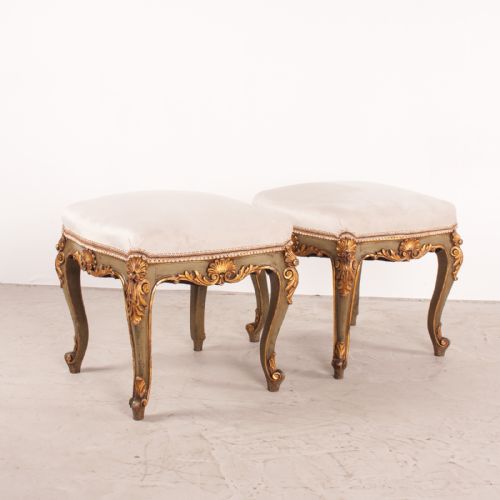
Styles range across Victorian, Queen Anne style, and Georgian style, with occasional French painted pieces and primitive oak items. Buyers select these compact forms for low seating or alternative coffee table placement in domestic spaces.
Distinctions in craftsmanship and finish
The standard of carving on the wooden frames distinguishes basic items from finer examples. Crisp execution on cabriole legs and structural integrity in the timber frame dictate the overall merit of each piece.
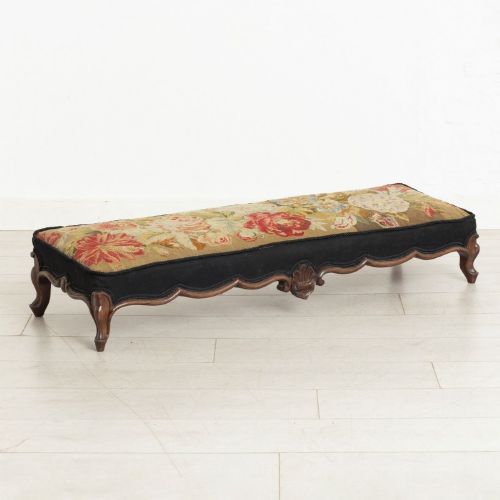
The retention of original textiles, needle point, buttoned upholstery, or period fabric adds character compared to later re-coverings. Selection of dense hardwoods like rosewood or walnut likewise elevates the standing of an individual stool or low table.
Carved Legs Low Bench Retail Price Guide 2026
Typical asking prices for carved legs low bench among the pieces listed under this phrase on Sellingantiques today, from the lower quarter to the upper quarter. They describe what is for sale here now, not the wider market.
Listings feature periods from the eighteenth century through to nineteen thirty, with strong representation from the Victorian era and nineteen hundred.
The Carved Legs Low Bench Glossary
- Cabriole leg
- A furniture leg that curves outward and then tapers inward, terminating in a pad or foot. This form appears frequently on Victorian and Queen Anne style stools in walnut and mahogany.
- Opium table
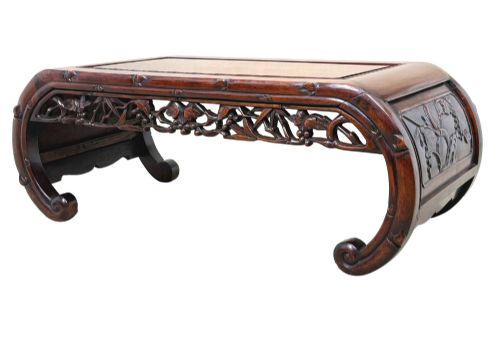
- A low wooden table originating from Asian traditions, utilised in modern settings as a low coffee table. Examples in the listings include Chinese Qing dynasty hardwood pieces.
- Centre stool
- A large freestanding stool designed to be viewed from all angles within a room. These pieces often feature substantial carved frames and upholstered tops.
- Needlepoint
- Stitched textile work utilised as upholstery on Victorian dressing table stools and footstools. It provides a textured decorative surface over the padding.
- Kang table
- A traditional low Chinese platform table designed for use on raised heated brick sleeping platforms. They survive as low wooden tables with carved details.
Carved Legs Low Bench: Frequently Asked Questions
How are low benches and stools used in modern rooms?
These compact pieces function as flexible low seating or as alternative coffee tables in living spaces. Their modest height suits placement in front of seating groups or beside dressing tables.
Larger centre stools and upholstered footstools provide surface area for books or trays in addition to resting feet. Low wooden tables accommodate drinks and display items without blocking sightlines.
What periods do these low tables and stools represent?
The listings span the nineteenth century and the early twentieth century, incorporating Victorian production alongside nineteenth century Anglo-Indian and Chinese items. Revivals of earlier aesthetics appear through Queen Anne style and Georgian style pieces dated around nineteen hundred.
Dates range from mid Victorian examples up to pieces made around nineteen thirty. Stylistic markers align with the Victorian era and subsequent revival periods.
How do English stools differ from Asian low tables in the listings?
English examples typically consist of upholstered stools and dressing stools framed in walnut, mahogany, or oak with cabriole legs. These focus on textile surfaces and wood framing derived from Victorian and Georgian designs.
Asian pieces comprise hardwood opium and kang tables featuring carved details in rosewood or hongmu without upholstery. Both share a low profile but serve different functional categories.