


Carved Leg Daybed
These carved leg daybed pieces are nineteenth-century seating forms that bring period presence and deep-recline comfort into a room.
Carved Leg Daybed
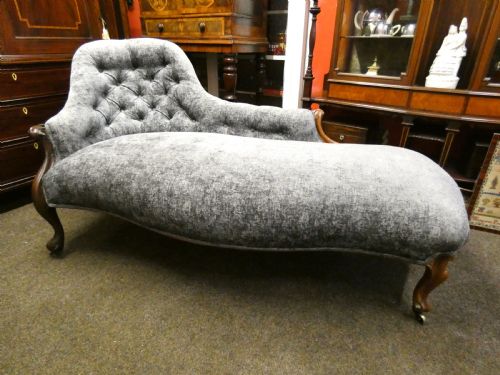
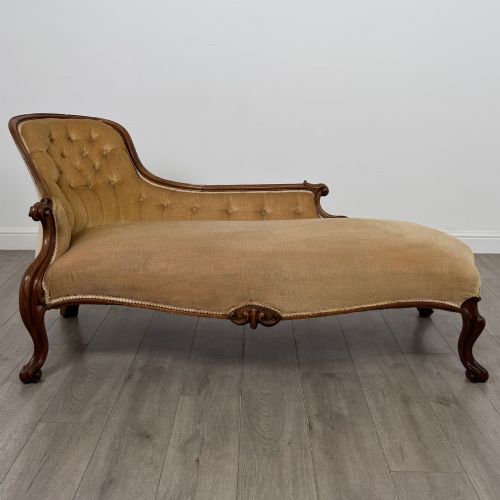
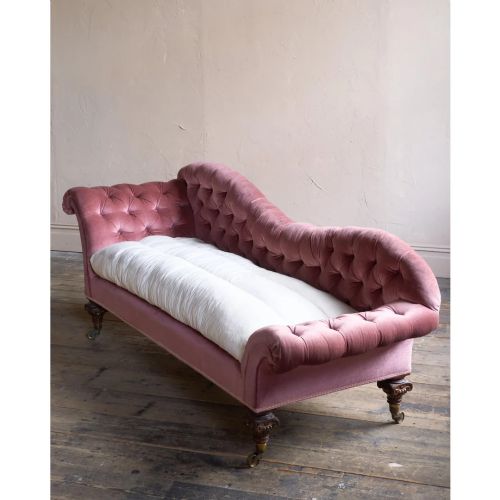
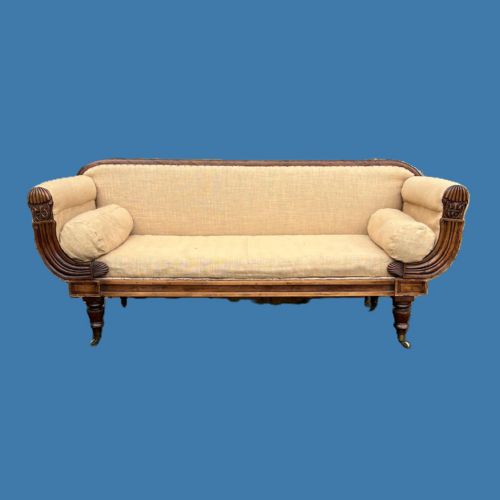
When you search for a carved leg daybed, you encounter nineteenth-century daybeds, chaise longues, and campaign sofas formed from timber frames with distinct carved supports. These examples span Victorian, Regency, George IV, and Colonial Indian styles, reflecting the diverse design language of the 1800s.
The most common forms on this page are Victorian mahogany and walnut chaise longues, alongside simulated rosewood campaign sofas and Indian low tables. They combine extended seating surfaces with sculptural wooden frames designed for reclining.
These items originate across the nineteenth century, capturing the transition from Regency elegance to the heavier proportions of the Victorian era. Each piece demonstrates the specific regional and stylistic preferences of its period of manufacture.
How they were made
Makers constructed these frames using dense hardwoods like mahogany, walnut, and simulated rosewood, paired with iron and brass fixings where structural support required metalwork. Timber components received hand-carved detailing, visible in elements such as Ionic column legs and ornamented rails.
Upholstery techniques involved traditional fabric and velvet coverings over sprung or padded seat decks, though many frames survive in bare timber or require reupholstery. Joinery methods relied on solid wood construction to sustain the weight and stress of daily reclining use.
Someone carved delicate Ionic columns into the legs of a nineteenth-century sofa just so you could rest your elbow beside a miniature Greek temple.
What varies in quality
Quality rests primarily in the crispness and depth of the timber carving, where sharply defined foliage or architectural column details distinguish superior workshop output. The choice of primary wood also dictates standard, with well-figured mahogany and richly grained walnut sitting above simpler secondary timbers.
Proportion and structural integrity separate fine examples from heavier, less successful designs. Pieces that maintain balanced lines across the scroll end, backrest, and carved legs display the design confidence of skilled nineteenth-century cabinet makers.
The Carved Leg Daybed Glossary
- Chaise longue
- An upholstered sofa in the form of a chair with a seat long enough for the legs to be supported. This French term translates to long chair and covers many nineteenth-century reclining forms.
- Campaign sofa
- A portable piece of seating furniture designed for military officers on active service during the nineteenth century. These items often feature collapsible or easily dismantled elements.
- Simulated rosewood
- A painted or stained finish applied to a lighter timber to imitate the dark, highly figured grain of genuine rosewood. Cabinet makers utilised this technique during the Regency and George IV periods.
- Ionic column
- A classical architectural order featuring scroll-shaped capitals that makers translated into decorative furniture supports. These columns appear beneath the arms and frames of select nineteenth-century seating.
Carved Leg Daybed: Frequently Asked Questions
Where were daybeds placed in nineteenth-century homes?
Nineteenth-century households positioned these pieces in drawing rooms, boudoirs, and libraries where residents could rest during the day without retiring to a bedroom. Their sculptural backs and carved sides made them suitable for placement away from walls.
They served as versatile seating options for reading, receiving close visitors, or casual lounging. The varied forms reflect the shifting domestic habits of the Victorian and Regency periods.
How do I identify a Regency daybed?
Regency examples typically exhibit classical restraint, drawing inspiration from ancient Greek and Roman furniture forms. Look for architectural elements like scroll ends and finely turned or carved wooden supports.
Woods such as mahogany and walnut predominate in this style, often complemented by restrained brass mounts. The proportions tend to be lighter than those found on later Victorian pieces.
What is a Takhat table?
A Takhat table is a low seating platform or table originating from the Indian subcontinent, often constructed from heavy timber with carved details. In nineteenth-century contexts, these pieces reflect colonial trade and design exchange.
They function today as low coffee tables or display surfaces within contemporary interiors. Their solid construction distinguishes them from standard European occasional furniture.
Can I use these daybeds for daily sleeping?
These historical pieces were built for daytime reclining rather than overnight sleeping. The narrow width and sloping headrests are designed for resting rather than full recumbency.
If used for seating, ensure the frame and any modern upholstery support your weight comfortably. Historic webbing and springs may require reinforcement for regular use.