


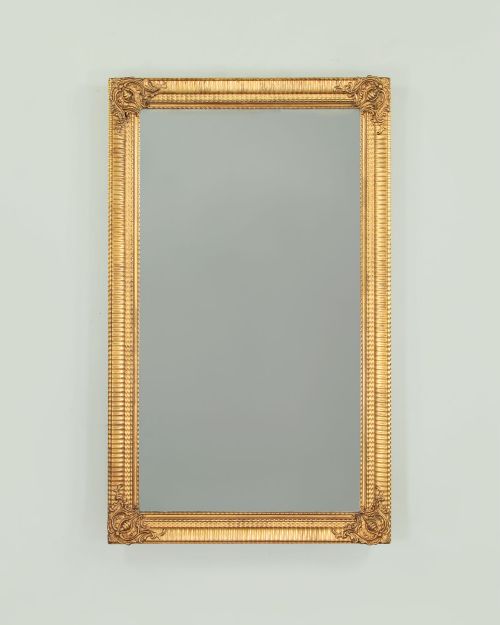

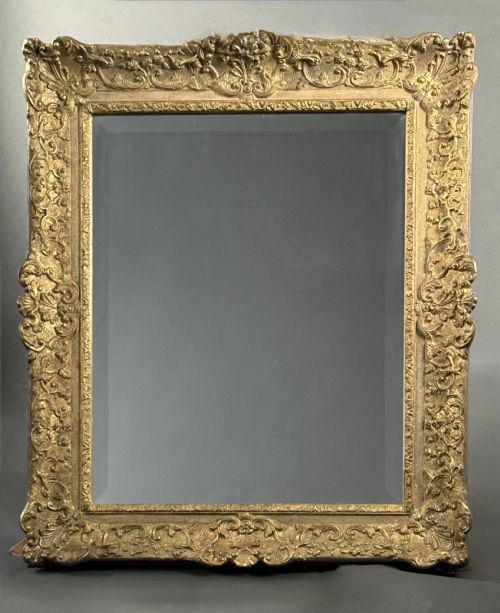
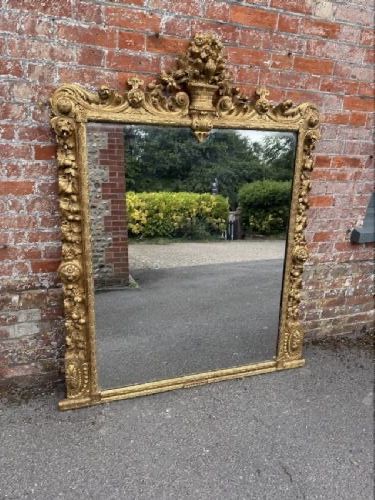
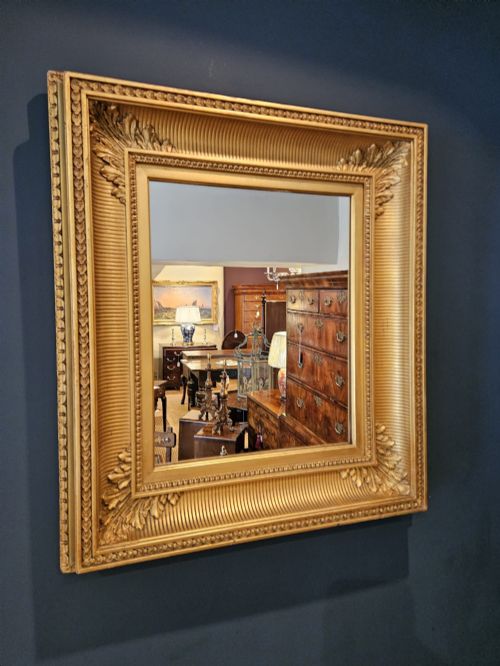
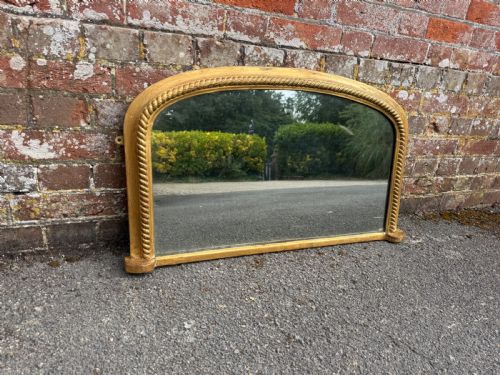
Carved Leaf Frame Mirror
A carved leaf frame mirror brings organic movement and historical texture to a room, turning a simple reflective surface into a sculptural focal point.
Carved Leaf Frame Mirror
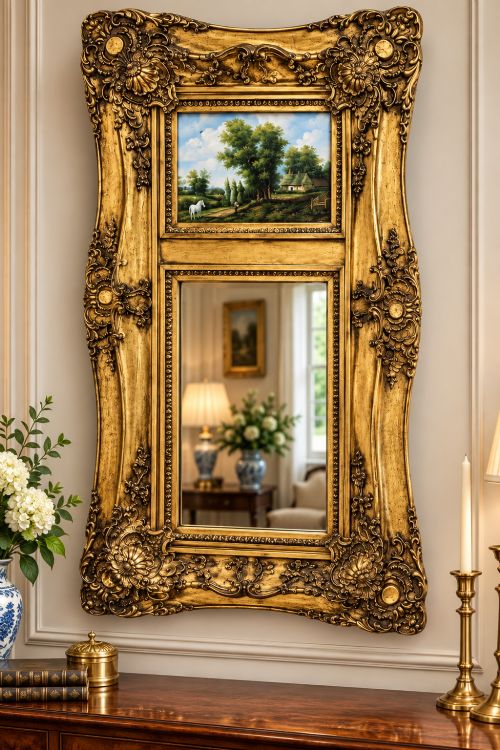
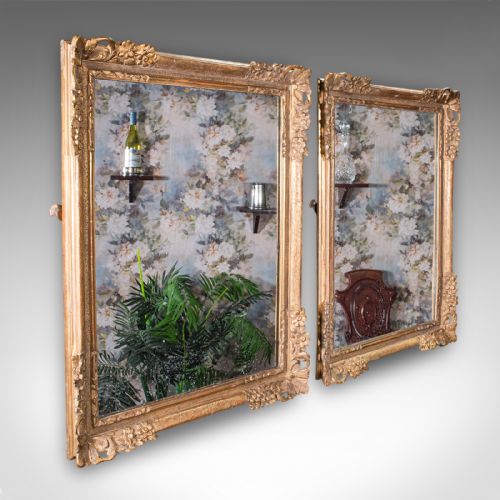
A carved leaf frame mirror combines functional glass with elaborate woodwork, often drawing on botanical motifs like laurel or acanthus. These pieces appear frequently as grand overmantels, tall wall hangings, and decorative pier mirrors across the 18th and 19th centuries.
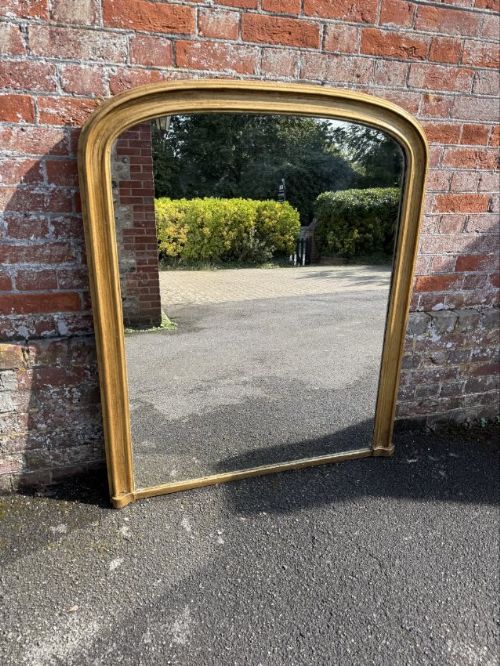
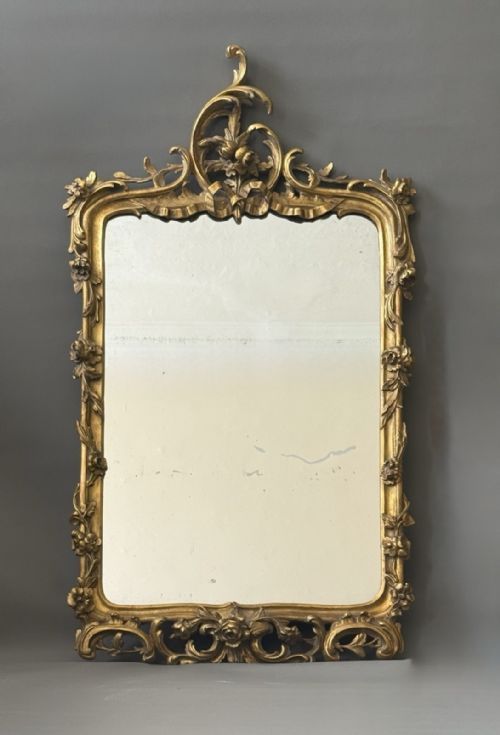
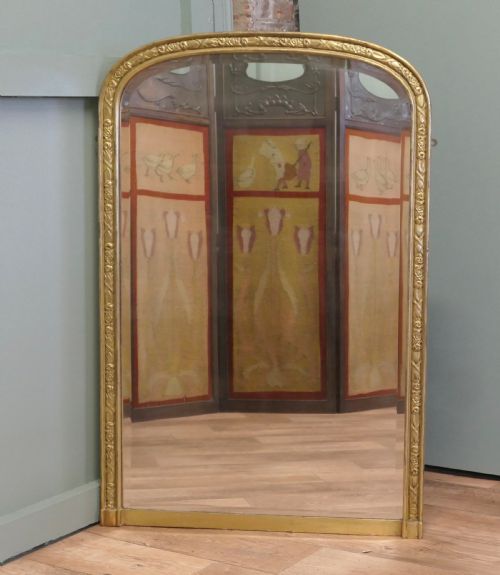
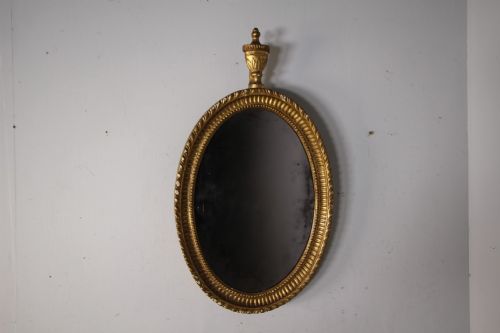
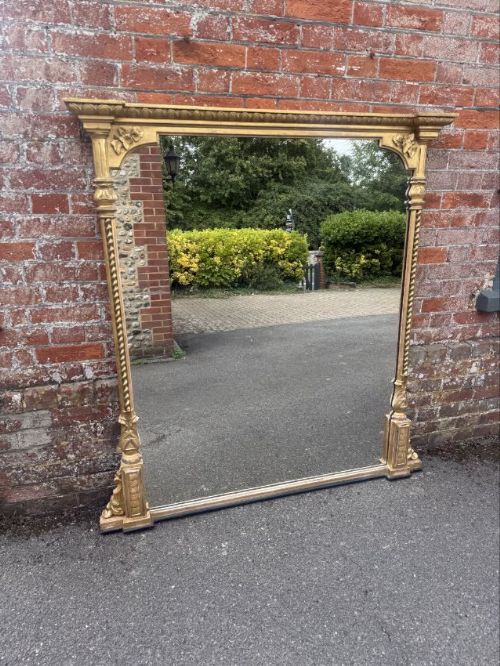
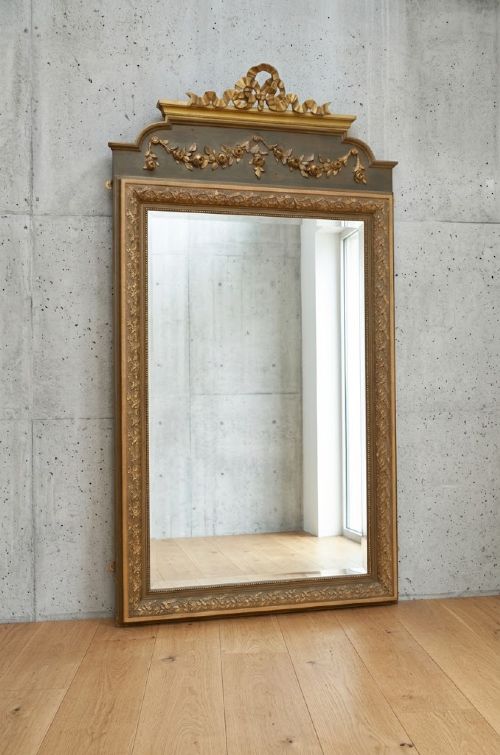
The selection ranges from English Victorian overmantels with robust timber mouldings to lighter French styles featuring delicate floral and ribbon crests. Regional variations include Italian Florentine frames and giltwood designs originating from the Regency and Edwardian periods.
Buyers selecting a carved leaf frame mirror often balance the scale of the room against the substantial presence of gilded wood or painted gesso finishes. The surviving examples demonstrate how makers translated natural foliage into enduring interior ornaments.
Materials and Craftsmanship
Makers constructed the foundational structure using solid timbers such as oak, walnut, or pine, building up intricate surface details with applied gesso. This plaster-like mixture allowed craftsmen to carve crisp botanical motifs, including scrolling leaves, ribbons, and vines, directly onto the wooden substrate.
Gilding was applied using thin sheets of gold leaf or metal leaf over a prepared bole, creating a brilliant reflective surface that catches natural light. Alternatively, many historical frames received painted finishes or silvered leaf treatments, sometimes paired with foxed mercury glass plates.
Several mirrors include charming nautical twists and Freemasonic symbols hidden among the carved foliage.
Evaluating Quality and Depth
The distinction between standard production and exceptional craftsmanship rests upon the depth and definition of the carved foliage. Superior examples display sharp, undercut botanical details where individual leaf veins and natural undulations remain crisp beneath layers of gilding.
The integrity of the underlying gesso and the originality of the mirror plate dictate the historical value of the piece. Frames that retain their original mercury glass or early bevelled plates, alongside undisturbed giltwood surfaces, represent the upper tier of surviving examples.
The Carved Leaf Frame Mirror Glossary
- Gesso
- A plaster mixture applied to wood frames to create a smooth surface for carving and gilding. This material allows for intricate relief work such as leaf scrolls and floral garlands.
- Giltwood
- Timber that has been coated with gold leaf. It provides a durable, luminous finish characteristic of formal period mirrors.
- Overmantel Mirror
- A large horizontal looking glass designed specifically to hang above a fireplace mantel. These pieces frequently incorporate architectural proportions and botanical carvings.
- Pier Mirror
- A tall, vertical glass made to fit the narrow wall space between windows. They often match console tables and feature elaborate crests.
- Foxing
- Age-related spots and discoloration appearing within the silver backing of antique glass. Collectors value original foxed plates as evidence of authenticity.
Carved Leaf Frame Mirror: Frequently Asked Questions
How do I date a carved leaf frame mirror?
Dating relies on examining the construction methods of the wooden frame, the composition of the gesso, and the characteristics of the glass plate. Regional styles, such as French Louis Philippe or English Victorian aesthetics, also provide clear chronological markers.
Closer inspection of the fixing methods, backing boards, and tool marks on the timber reveals whether a piece originates from the 18th century or later revival periods.
Where should I hang an overmantel mirror?
An overmantel mirror is traditionally mounted directly above a fireplace to reflect light and anchor the main reception room. Its generous proportions suit expansive wall spaces.
Ensuring secure wall fixings is essential because these architectural frames often combine heavy timber substrates with dense gesso ornamentation.
What is the difference between giltwood and painted frames?
Giltwood frames are covered in thin layers of metal leaf to achieve a brilliant metallic sheen, whereas painted frames utilise pigmented finishes to highlight carved details. Both treatments appear frequently across historical pieces.
Some makers combined techniques by applying painted backgrounds to gilded botanical motifs, creating visual contrast within the leafwork.