

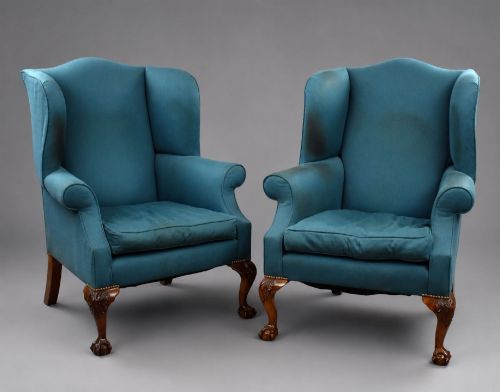


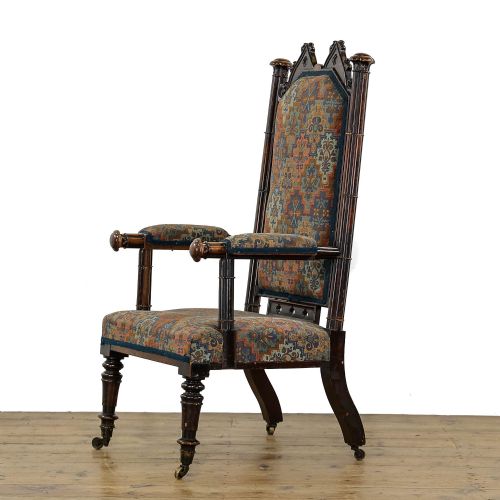


Carved Highback Chair
A carved highback chair brings architectural presence and vertical drama to a room, offering robust timber framing and striking historical revival forms.
Carved Highback Chair
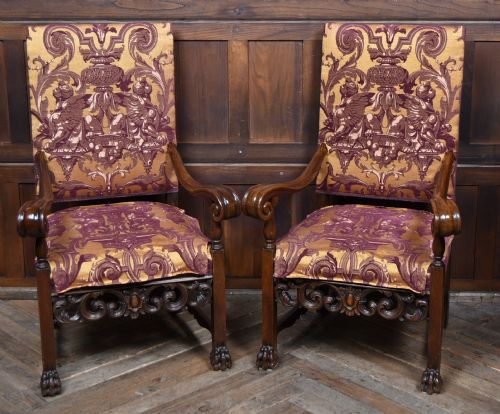
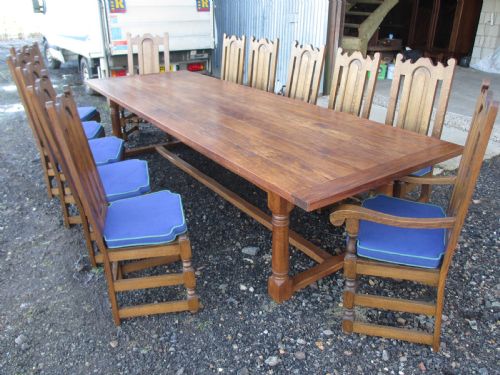
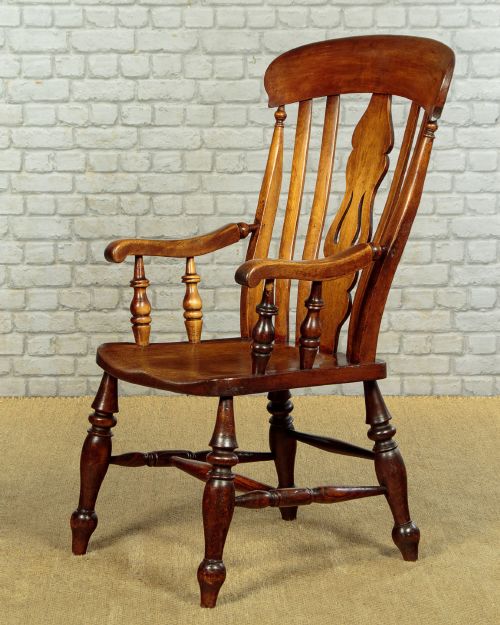
When you search for a carved highback chair, you encounter a distinct seating form designed to command attention through elevated proportions and ornate timber work. These pieces span dining chairs, armchairs, side chairs, and accent chairs, originating from periods such as the seventeenth, eighteenth, nineteenth, and early twentieth centuries.
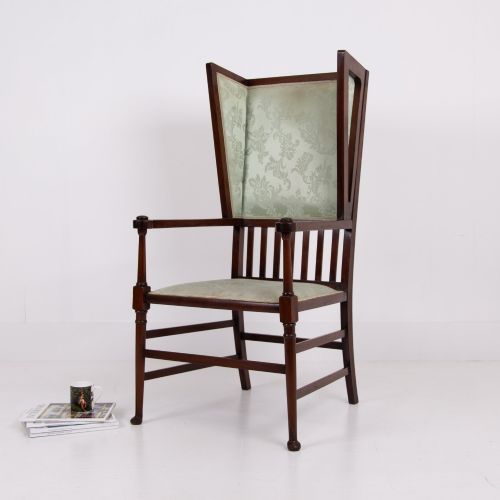
The selections available here lean heavily into revivalist movements, featuring prominent styles like Jacobean Revival, Gothic Revival, William and Mary Revival, and Carolean Revival alongside Arts and Crafts and Art Nouveau interpretations. You will find single throne chairs, pairs, and full sets intended for formal dining rooms or fireside placement.
How they were made
Cabinet makers constructed these seats using dense hardwoods including oak, mahogany, walnut, and beech, often shaped through detailed hand-carving and joinery. Structural reinforcement and decorative contrast frequently incorporated cane panels, brass elements, and woven textiles or fabric upholstery.
Surface treatments range from natural timber finishes to japanning, reflecting the revival aesthetics of specific eras from seventeen hundred onward. The integration of high backs required sturdy bracing and seasoned timber to support the tall vertical frames without warping.
Carved Highback Chair Retail Price Guide 2026
Typical asking prices for carved highback chair among the pieces listed under this phrase on Sellingantiques today, from the lower quarter to the upper quarter. They describe what is for sale here now, not the wider market.
Listings span from seventeen hundred through the Victorian era and into early twentieth-century revival movements.
What varies in quality
The distinction between ordinary and exceptional examples rests upon the crispness and depth of the carved ornamentation across the tall backrest. Finer specimens display harmonious proportions where the height of the frame balances the weight of the timber and the complexity of the revival styling.
Integrity of construction in the joints and the preservation of original materials, whether cane inserts or upholstered textiles, elevate a piece. Greater refinement appears in the execution of stylistic details, such as authentic regional interpretations of Jacobean or Gothic motifs.
The Carved Highback Chair Glossary
- Highback
- A chair featuring an elevated backrest designed to provide greater head support and visual prominence.
- Revival
- A design movement that imitates the architectural and decorative styles of an earlier historical period.
- Caned
- A seating or backrest method utilising woven rattan or cane strips stretched across a timber frame.
- Japanning
- A European imitation of East Asian lacquer work applied as a decorative surface finish to furniture.
- Carolean
- A seventeenth-century English design style characterised by rich ornamentation, scrolling foliage, and crown motifs.
Carved Highback Chair: Frequently Asked Questions
What is a carved highback chair?
A carved highback chair is a seat featuring an elongated vertical backrest adorned with detailed woodwork, spanning various historical revival periods.
These pieces function as striking focal points in interiors, combining traditional joinery with decorative motifs from the seventeenth century onward.
How were highback chairs used historically?
Historically, highback chairs served as authoritative seating for heads of households at dining tables or by firesides to block drafts.
Their imposing height indicated status and provided both physical shelter and formal presence within grand domestic spaces.
How do I style a highback chair?
You can position a single throne or wingback variant as an accent piece in a study, hallway, or corner requiring vertical emphasis.
Matching sets of highback dining chairs work best paired with substantial timber tables that complement their historical revival aesthetic.
How do I identify the period of a chair?
Dating relies on examining the timber species, joinery techniques, and the specific revival style employed by the maker.
Comparing the carved motifs to known design eras such as Gothic, Jacobean, or Arts and Crafts clarifies the manufacturing timeframe.