



Carved Gold Necklace
A carved gold necklace brings sculptural depth and warm metal tones together, offering wearable history through meticulously hand-shaped gemstones, shells, and precious metals.
Carved Gold Necklace
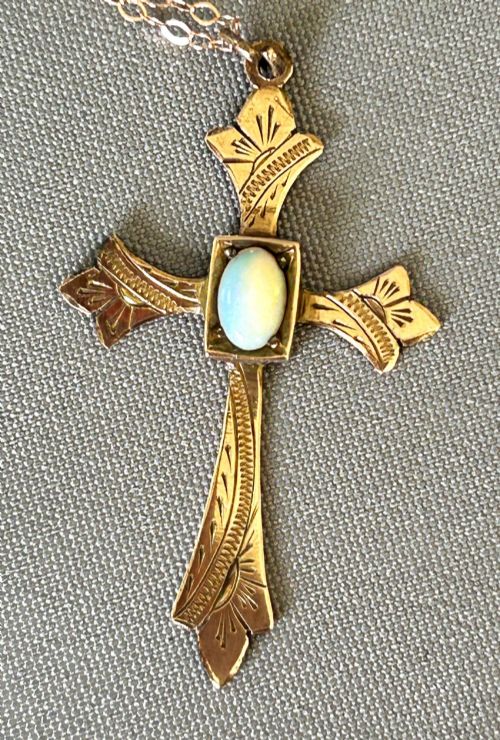
A carved gold necklace encompasses pendant necklaces, lockets, and beaded strands created across the Victorian, Edwardian, and mid-century periods. These ornaments combine rich yellow gold settings with finely sculpted natural materials including jade, shell, onyx, tourmaline, and coral.
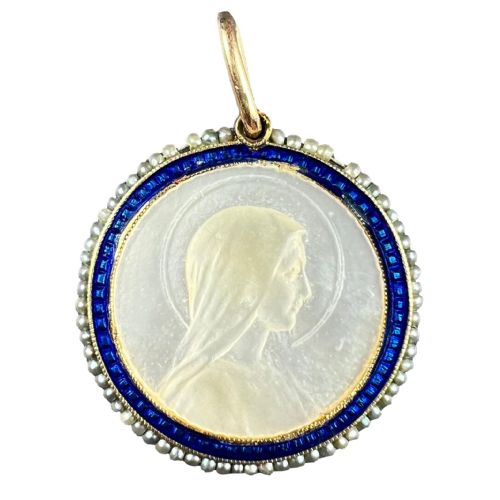
The version most commonly met on this page is the Victorian or Edwardian pendant necklace featuring a central carved gemstone or cameo mounted in 14ct or 9ct gold. These pieces often incorporate pearls, diamonds, or secondary stones to frame the primary carved element.
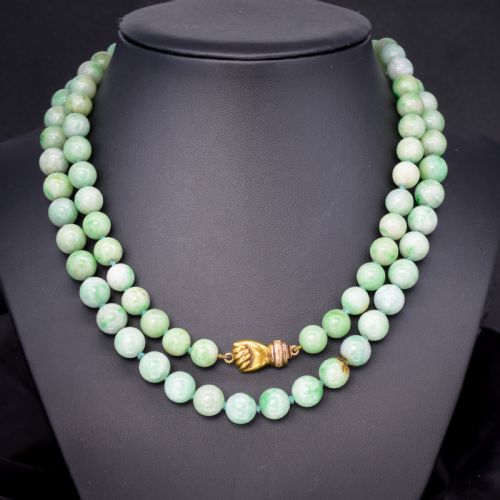
Alongside traditional pendants, the selection includes mid-century choker necklaces by makers such as Chaumet, featuring sophisticated motifs like horse heads alongside pearls and diamonds. Beaded strands with specialised clasps and fob seals also appear within the broader jewellery category.
How they were made
Makers shaped hardstones like jade, agate, sapphire, ruby, emerald, and tourmaline, or softer organic materials like shell and coral, using hand-carving techniques to achieve low-relief imagery and figural details. These carved elements were then securely mounted in high-carat yellow gold, including 9ct, 14ct, and 18ct varieties.
Goldsmiths integrated fine decorative elements such as seed pearl borders, diamond halos, and enamel work to complement the central carved components. Construction methods relied on traditional bezel settings, articulated suspension loops, and secure clasps like the figa hand motif.
Carved Gold Necklace Retail Price Guide 2026
Typical asking prices for carved gold necklace among the pieces listed under this phrase on Sellingantiques today, from the lower quarter to the upper quarter. They describe what is for sale here now, not the wider market.
Listings feature yellow gold across 9ct, 14ct, and 18ct purities, paired with carved jade, shell, onyx, and coral.
What varies in quality
Material selection dictates the upper tier of the range, marked by uniform natural pearls, bright diamonds, and high-purity gold settings. The integration of maker attributions, such as established houses like Chaumet, elevates the significance of the jewellery.
Chaumet
The Carved Gold Necklace Glossary
- Cameo
- A method of carving an object such as a engraved gem, item of jewellery, or vessel. In these listings, cameos are typically carved in relief from shell, onyx, or coral to portray classical figures or animals.
- Fob seal
- A small engraved seal used for stamping wax documents, often mounted on a swivel or worn as a pendant. Nineteenth-century examples frequently feature ornamental gold mounts and hardstone bases.
- Figa hand
- A sculptural hand gesture used as an amulet of protection against the evil eye. In these listings, it appears as a functional carved clasp on beaded strand necklaces.
- Beaded strand
- A continuous string of polished or carved gemstone beads forming the body of a necklace. Jade beads are a prominent example seen in nineteenth-century pieces.
Carved Gold Necklace: Frequently Asked Questions
What periods do these necklaces span?
The pieces span from the nineteenth century through the Edwardian era and into the mid-twentieth century. Victorian examples feature prominently alongside 1950 and 1960 creations.
Design characteristics shift from ornate nineteenth-century goldwork and traditional cameos to sophisticated mid-century animal motifs and gemstone pairings.
What materials are used in these necklaces?
Gold forms the primary metal framework, appearing in 9ct, 14ct, and 18ct yellow gold variations. Settings are frequently paired with pearls, diamonds, and enamel.
Carved elements utilise a diverse palette of natural materials including jade, shell, onyx, tourmaline, sapphire, ruby, emerald, agate, and coral.
How were these necklaces worn?
Most items function as pendant necklaces suspended on chains, or as decorative lockets and choker-length strands. Pieces often served as both personal adornments and functional items like fob seals.
Clasps and mounts were designed to be visible, incorporating symbolic hand motifs or detailed gold framing into the overall aesthetic.
How do I care for a carved gold necklace?
Care requires understanding the delicate nature of organic materials like pearl, shell, and coral, which are sensitive to harsh chemicals and abrasions. Hardstone carvings like jade and tourmaline are more durable but still benefit from gentle handling.
Storage should involve separate compartments to prevent metal settings from scratching softer carved gemstones or pearls.