
Carved French Table
A carved french table brings continental sculptural grace and practical utility to an interior through finely worked timber and decorative stone.
Carved French Table
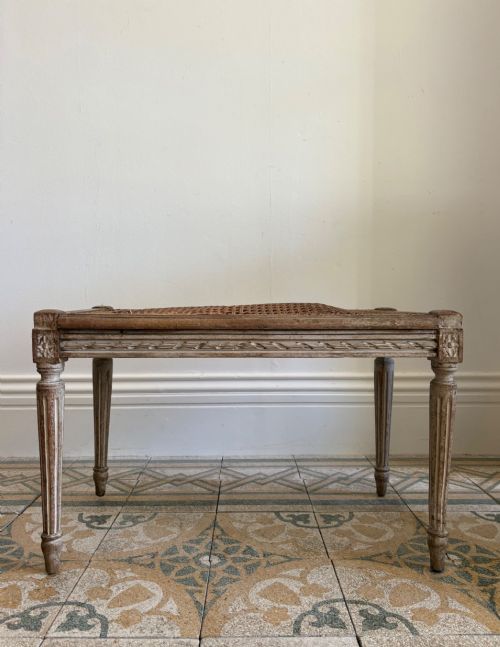
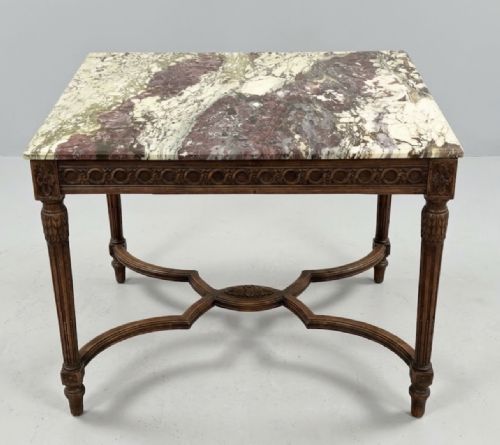
A carved french table encompasses console tables, centre tables, and side tables shaped by regional styles from the eighteenth century onwards.
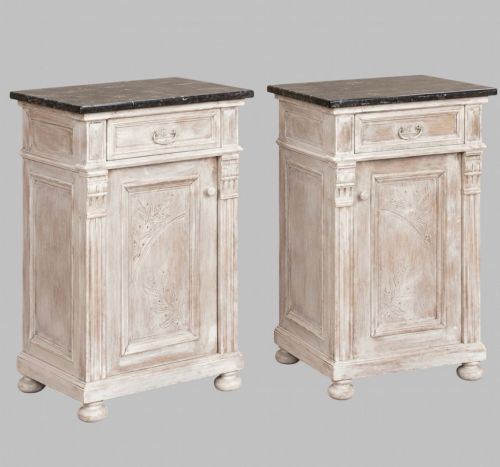
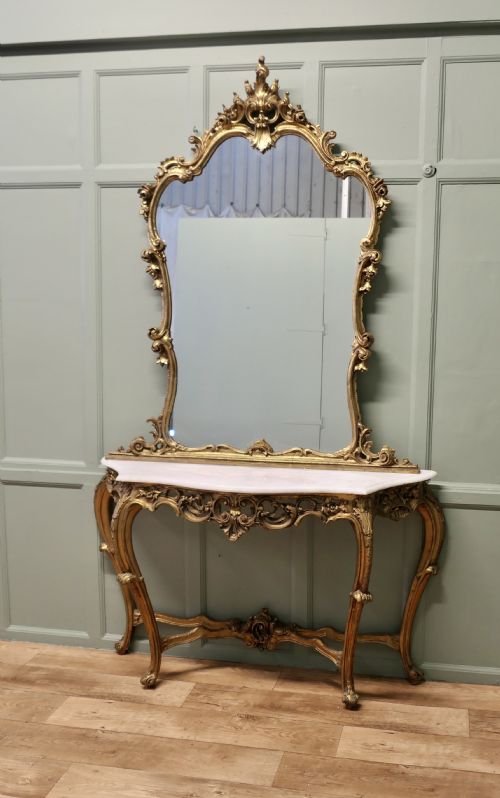
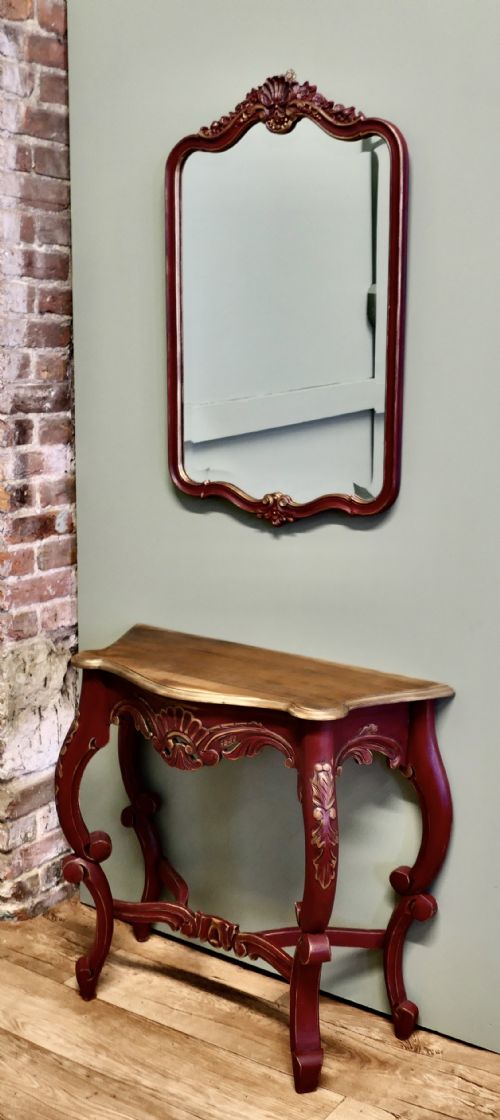
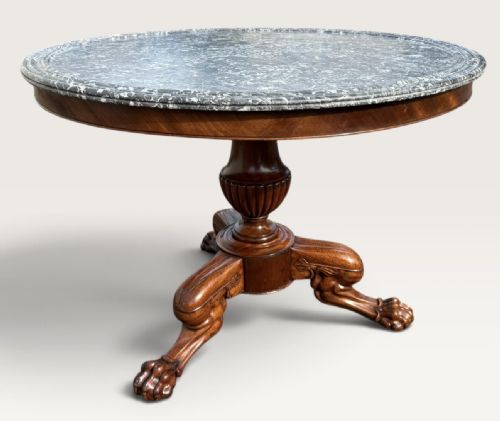
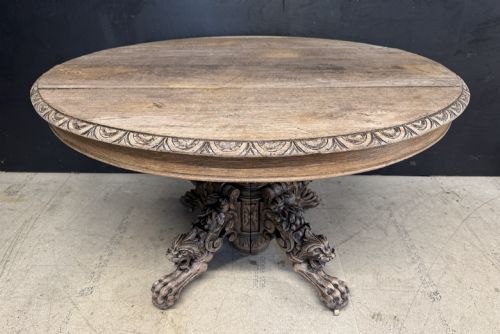
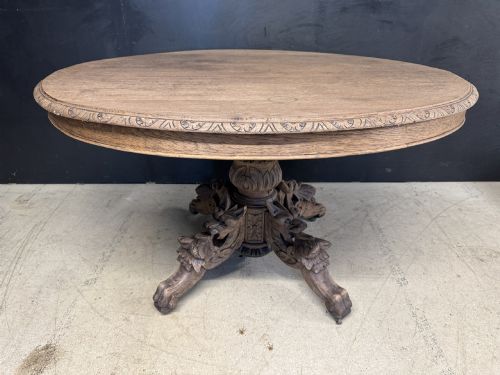
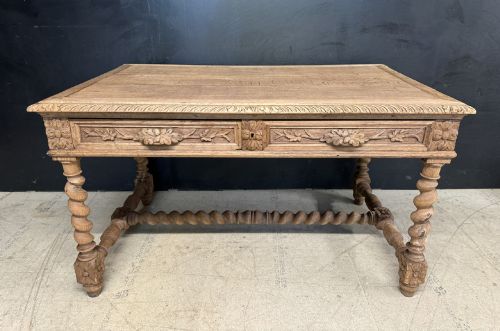
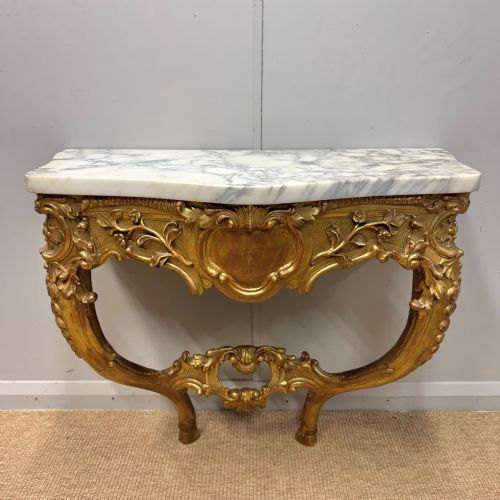
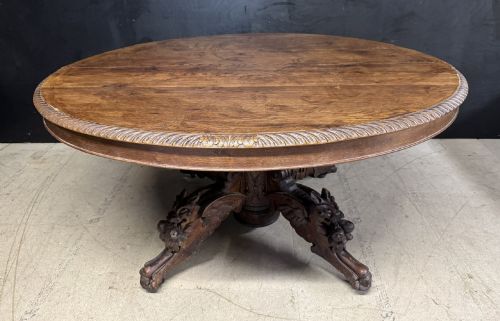
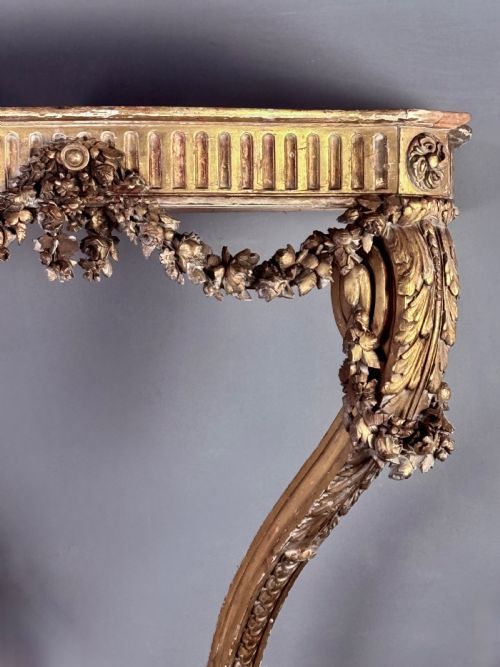
The versions most commonly met include giltwood console tables with marble tops and sturdy oak farmhouse or hunting tables from the nineteenth century.
Materials and construction methods
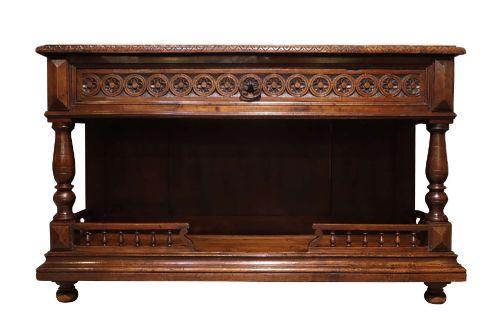
Cabinet makers utilised dense hardwoods such as walnut, mahogany, and oak for structural stability and deep relief carving.
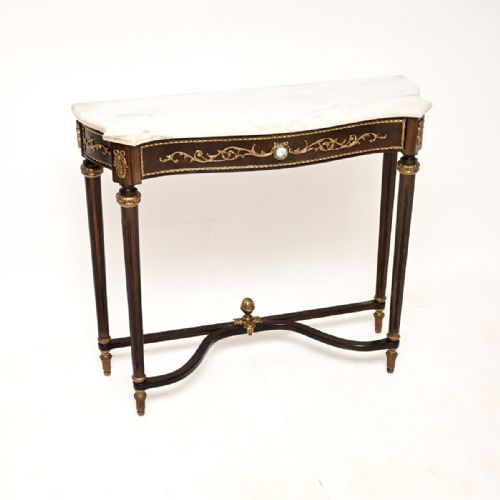
Giltwood and gesso finishes were applied over carved timber bases, often paired with inset marble or glass surfaces.
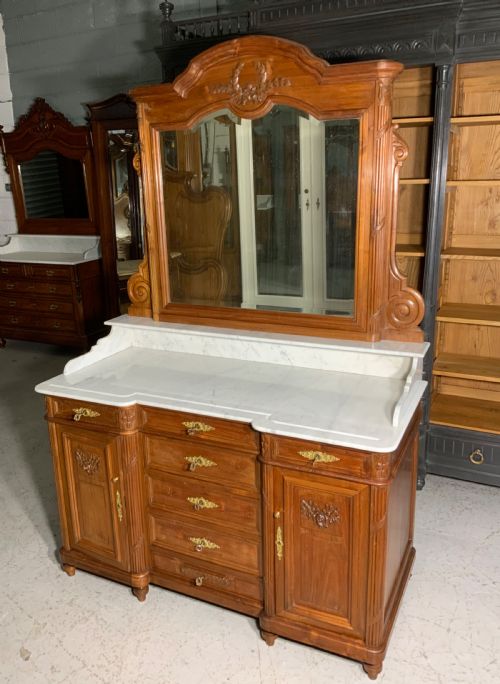
Listings feature items spanning from the eighteenth century to the twentieth century, utilising walnut, oak, mahogany, and marble.
Distinctions in execution and design
The level of crispness in the hand-carved ornamentation separates standard production pieces from masterworks.
Integration between the structural timber frame and decorative surface treatments defines the overall integrity of the piece.
Felix Alfred Ternisien·Cesar Bagard
The Carved French Table Glossary
- Console table
- A table designed to stand against a wall, frequently supported by two front legs and secured with wall brackets.
- Gueridon
- A small round table on a central pillar or tripod base, originating in seventeenth-century France.
- Giltwood
- Timber that has been coated with thin layers of gold leaf over a prepared gesso ground.
- Marquetry
- Decorative veneer patterns composed of various woods arranged to form pictures or geometric designs.
Carved French Table: Frequently Asked Questions
How do I identify a true console table?
A console table is specifically designed to be placed flat against a wall rather than freestanding in the middle of a room. Many historical examples rely on wall fixings for total stability.
Traditional console tables often feature elaborate carving on the front apron and legs while leaving the rear plain.
Where should I place a gueridon table?
A gueridon table works well as a small accent piece in a reception room or corner space. Its circular top accommodates a lamp or decorative object easily.
Because of their compact footprints, these tables suit smaller interiors where space is at a premium.
How do I care for a marble top table?
Marble surfaces require regular dusting with a soft cloth and immediate wiping of spills to prevent staining. Avoid acidic cleaning products that can etch the stone.
Using protective pads beneath objects helps preserve the polished finish over decades of daily use.
What distinguishes walnut from oak furniture?
Walnut offers a finer, tighter grain pattern that accepts crisp, intricate carving details. Oak provides a coarser, highly durable grain structure suited to rustic and provincial designs.
Both timbers were favoured in different periods depending on regional workshop traditions and fashion.