





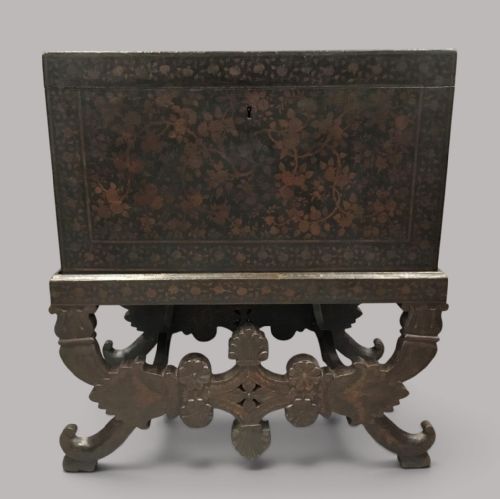


Carved Floral Box
A carved floral box holds small treasures while showing centuries of woodworking skill across diverse global styles.
Carved Floral Box
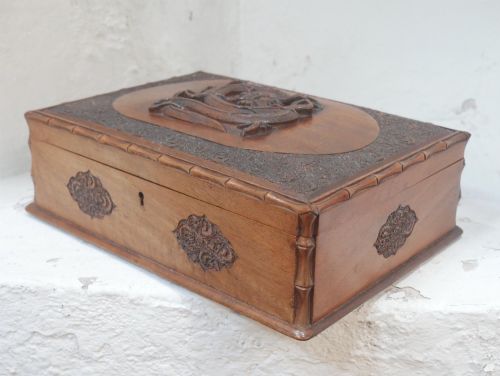
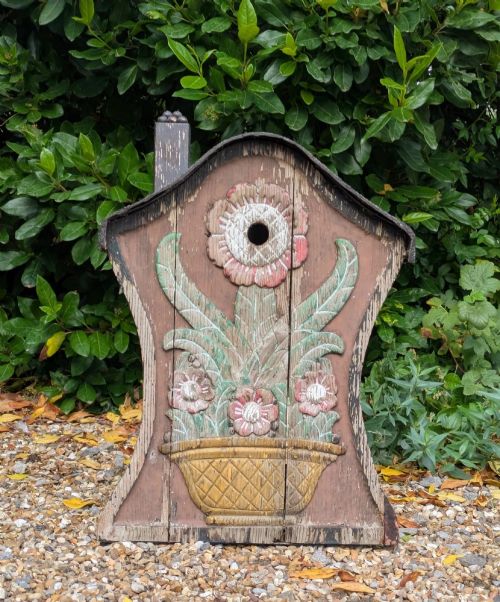
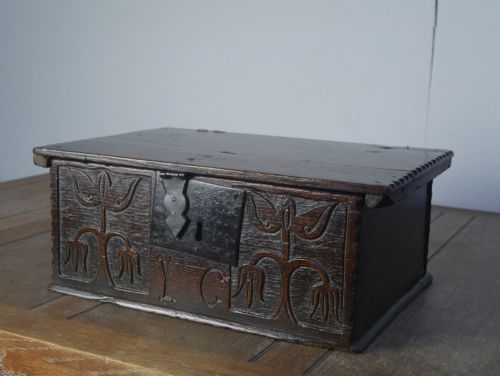
A carved floral box encompasses a wide variety of lidded containers, small chests, and wall cabinets designed for storage and display. When you search for this phrase, you encounter diverse forms ranging from traditional English oak coffers to intricate international cabinets.
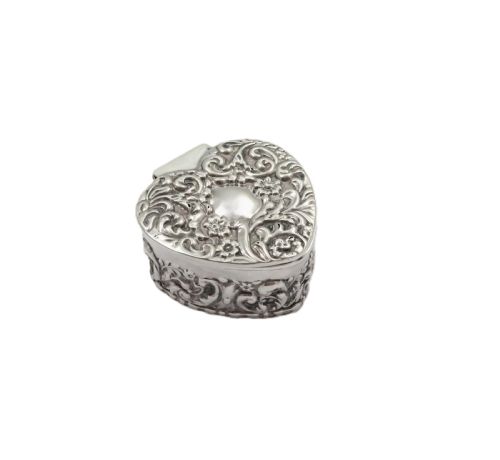
The selections span numerous eras, drawing heavily on 17th-century craftsmanship alongside 19th-century interpretations and early 20th-century pieces. Common formats include decorative trinket boxes, tea caddies, and marriage chests adorned with floral motifs.
Origins vary significantly, reflecting both European country traditions and Asian workshops. Pieces emerge from distinct regional aesthetics, incorporating carved wood, brass accents, and painted finishes into everyday household objects.
Materials and technique
Makers relied predominantly on timber resources such as oak, walnut, pine, and rosewood to construct the foundational structures of these containers. Wood inlay and marquetry techniques frequently introduced contrasting tones and intricate patterns across the surfaces.
Surface ornamentation relied on meticulous hand carving, relief work, and occasional lacquering or painting. Craftsmen utilised iron and brass hardware for hinges, locks, and structural reinforcement, combining utility with decorative appeal.
Carved Floral Box Retail Price Guide 2026
Typical asking prices for carved floral box among the pieces listed under this phrase on Sellingantiques today, from the lower quarter to the upper quarter. They describe what is for sale here now, not the wider market.
Listings feature items spanning multiple centuries, from 17th-century English oak coffers to 20th-century Asian lacquer cabinets.
Distinctions in quality
Quality rests upon the depth, precision, and crispness of the hand carving rather than the mere presence of decoration. Superior examples demonstrate confident tool control that brings floral and geometric motifs into sharp relief.
The integrity of the construction, including timber selection and joinery methods, separates standard utility items from accomplished artistic works. Well-fitted lids, stable panels, and original hardware indicate higher standards of period craftsmanship.
Josef Margold
The Carved Floral Box Glossary
- Coffer
- A heavy wooden chest traditionally used for storing valuables or household goods. These pieces often feature hinged lids and robust panel construction.
- Marquetry
- The art and craft of applying decorative pieces of veneer to a structure to form intricate floral or geometric designs. This technique elevates the visual texture of the wood surface.
- Cinnabar
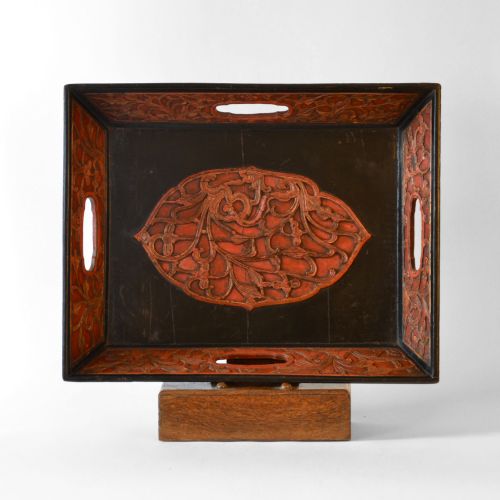
- A bright scarlet mineral form of mercury sulphide used in powdered form to create traditional red lacquerware. Artisans carved deep relief scenes into multiple layered coats of this material.
- Engine Turned
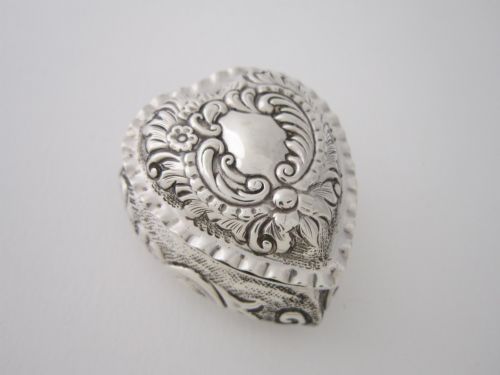
- A precise mechanical method of ornamenting metal surfaces with intricate geometric patterns using a specialised lathe. This technique frequently appears on small pocket containers and trinket boxes.
Carved Floral Box: Frequently Asked Questions
What were carved floral boxes used for?
These containers served practical functions ranging from storing precious letters and jewellery to holding dry goods like tea.
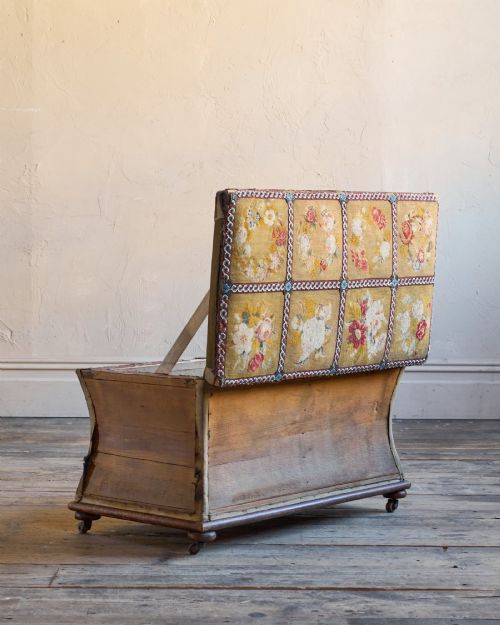
Larger variants acted as marriage chests or linen repositories, securing valuable household textiles within domestic spaces.
How do I care for antique wooden boxes?
Keep wooden surfaces away from direct sunlight and severe humidity shifts to protect the structural integrity of the timber.
Apply occasional microcrystalline wax to nourish dry wood without sealing moisture into the carved grain.
Are these boxes made from solid oak?
Many early English pieces utilise solid oak construction for structural strength and durability.
Later or international examples often incorporate secondary softwoods beneath decorative veneers, marquetry, or lacquer layers.
How can I tell the period of a box?
Examine the joinery methods, tool marks, and hardware styles to establish a baseline era for the construction.
Stylistic indicators such as Jacobean framing or Arts and Crafts motifs further anchor the object in a specific decade.