
Carved Display Table
A carved display table brings together fine joinery and decorative objects, offering a dedicated surface to elevate ceramics, glass and collectables.
Carved Display Table
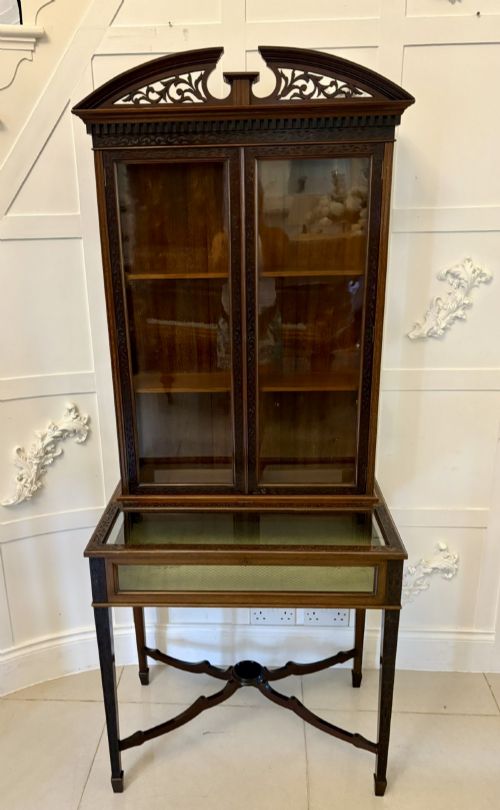
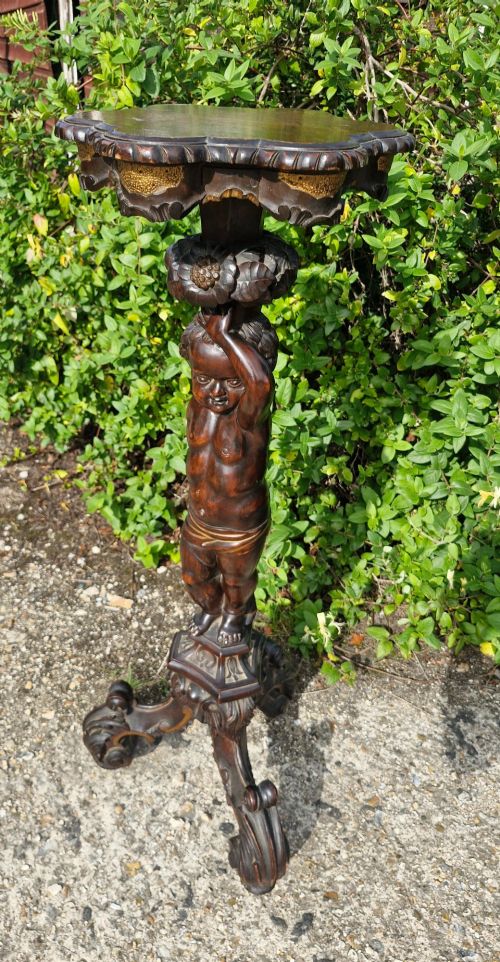
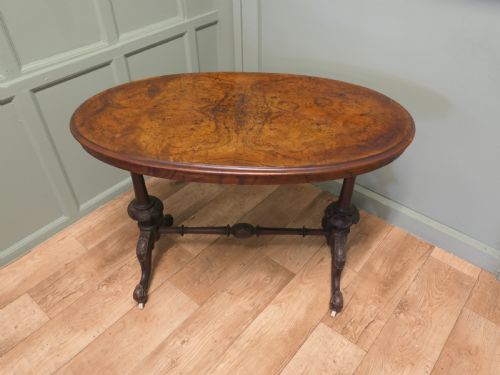
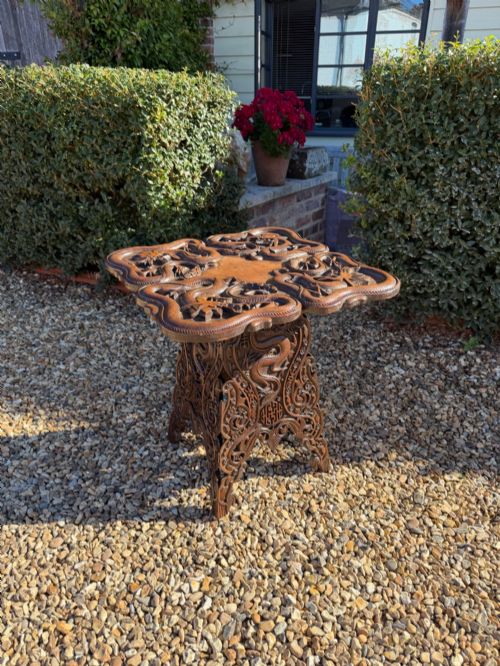
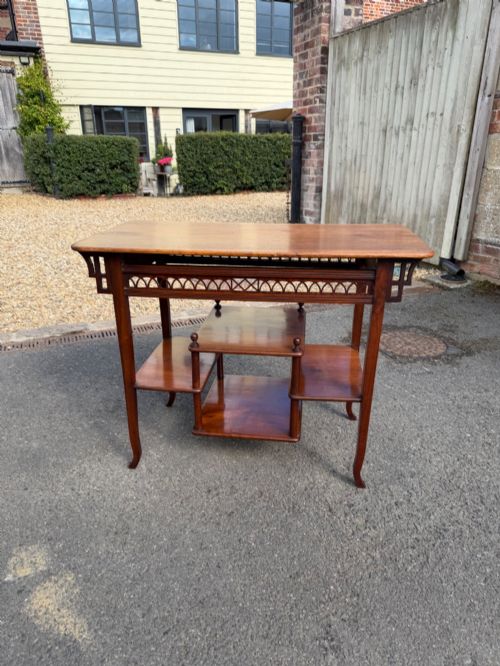
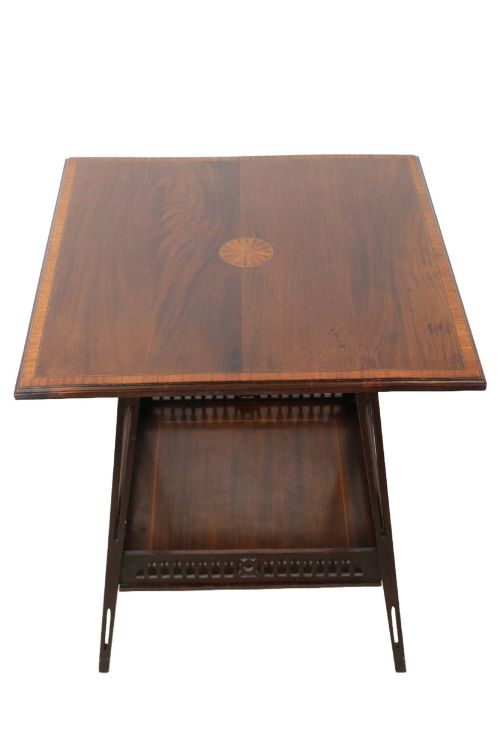
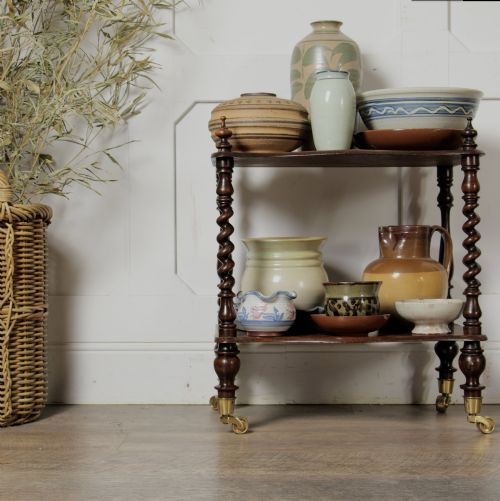
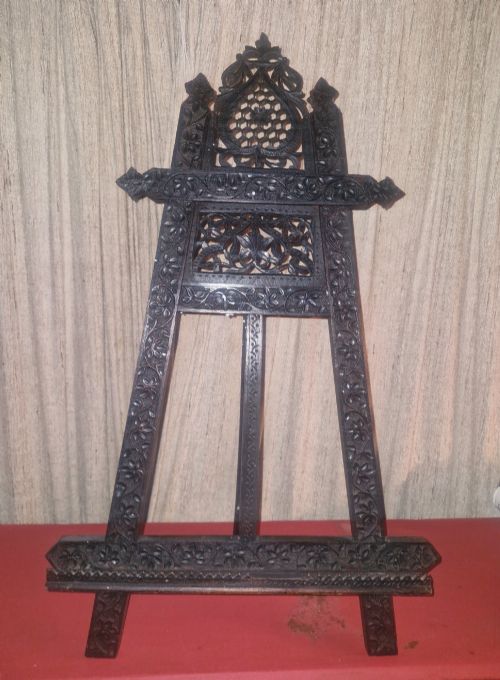
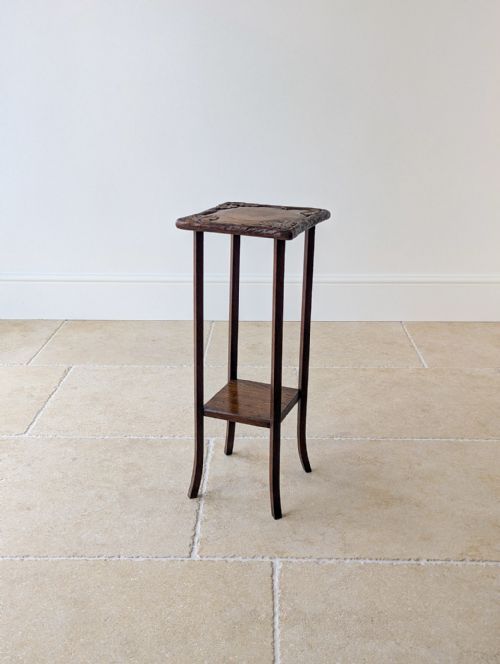
A carved display table serves to elevate objects, encompassing forms such as bijouterie tables, plant stands, whatnots, and occasional tables. These pieces emerge from the nineteenth and early twentieth centuries, spanning Victorian, Edwardian, and various international stylistic traditions.
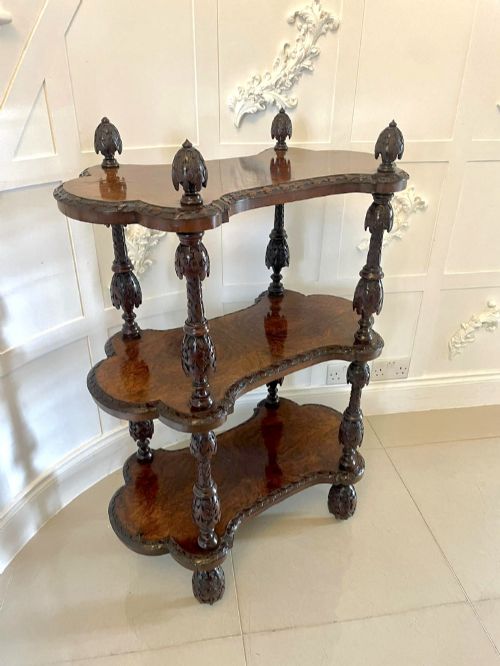
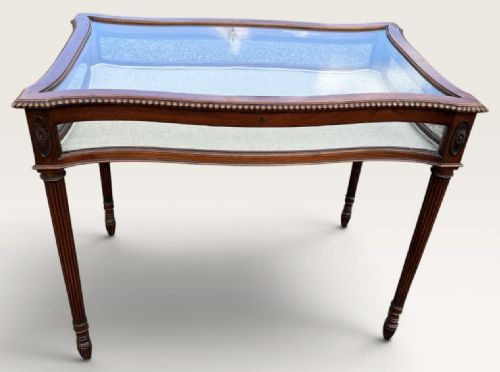
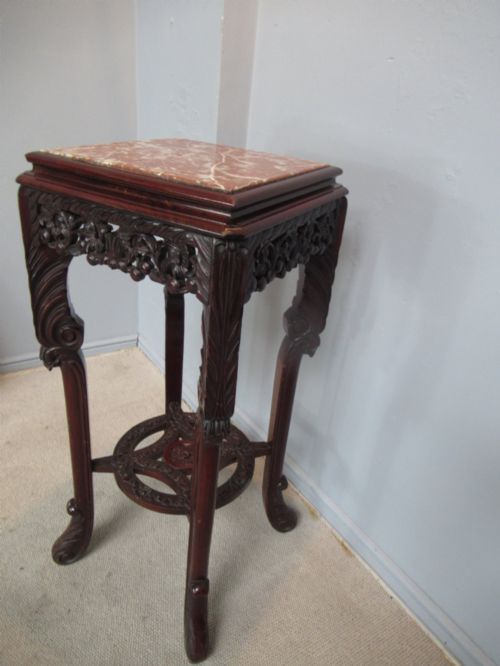
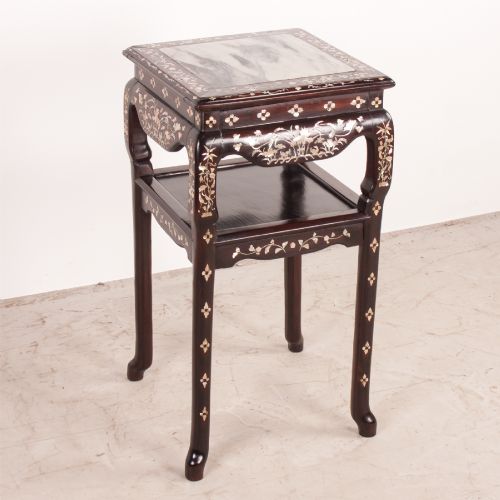
The selections available range from European mahogany and burr walnut side tables to intricately carved Chinese hardwood pot stands inset with marble. Buyers frequently encounter tiered étagères alongside glass-topped display cabinets designed specifically for smaller treasured items.
Craftsmanship and Material Depth
Quality separates through the crispness of the hand-carving and the selection of timber figures, such as burr walnut or dense Hongmu. Superior examples exhibit rigorous attention to structural joinery and the seamless integration of inset materials like marble or glass.
The integrity of secondary woods, the retention of original hardware, and the subtlety of decorative inlays indicate the level of workshop care invested in the piece during its period of origin.
Listings feature hard woods, marble, mahogany, brass, walnut, rosewood, oak, and glass across Victorian, Edwardian, and Qing Dynasty periods.
Trevor Page And Co·Liberty Of London·Gabriel Viardot
The Carved Display Table Glossary
- Bijouterie table
- A glass-topped display table specifically designed for showing small valuable items, medals, or jewellery. These pieces often feature velvet-lined interiors beneath hinged or lifted glass lids.
- Whatnot
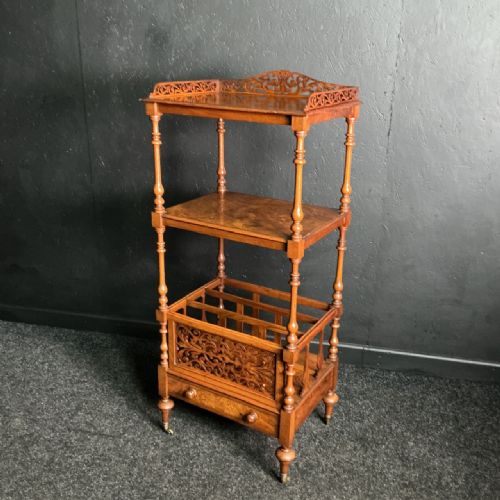
- A set of open shelves supported by slender pillars, utilised for displaying ornaments and books. Victorian examples frequently employ burr walnut or mahogany.
- Hongmu
- A dense, dark traditional Chinese hardwood used extensively for fine furniture and display stands. The term translates literally to red wood.
- Étagère
- A piece of furniture consisting of a set of open shelves for displaying small objects. French walnut and rosewood variations appear frequently in nineteenth-century rooms.
- Torchiere
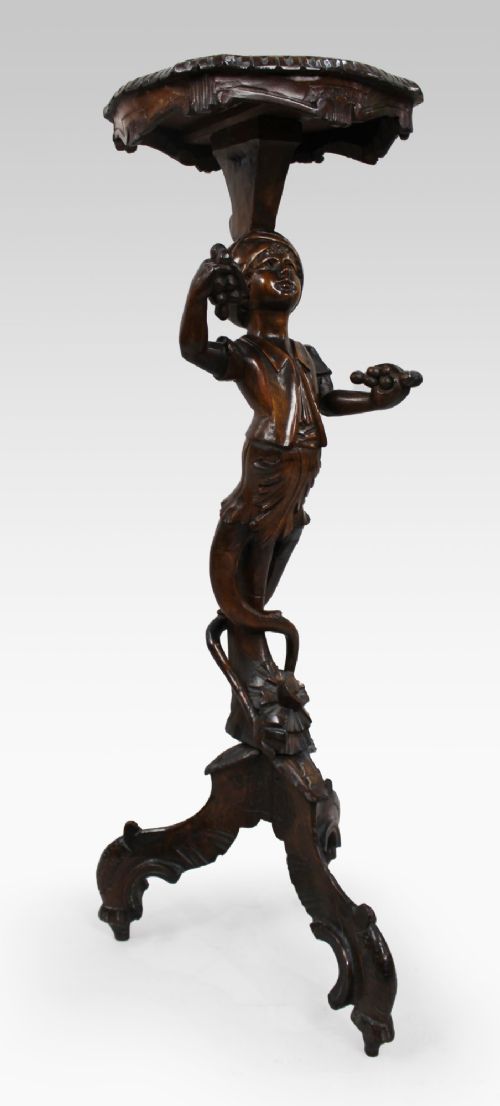
- A tall stand or floor-standing pillar originally designed to hold a torch or candle, later adapted for lamps or plant displays. Examples are recorded in carved wood and taxidermy antler.
Carved Display Table: Frequently Asked Questions
What is a carved display table used for?
These tables provide a structured surface to showcase decorative items, ceramics, plants, and personal collections in a room. They lift objects to eye level, allowing detailed inspection of small curiosities.
Specific variants like bijouterie tables protect delicate pieces beneath glass, while tiered whatnots and plant stands distribute multiple items vertically across different levels.
How do I date a Victorian display table?
Dating relies on identifying period-specific timber choices, hardware, and stylistic motifs characteristic of the nineteenth century. Burr walnut, heavy mahogany turnings, and specific joinery methods help establish the manufacturing decade.
Comparing structural details against known timeline markers, such as the transition from heavy Victorian proportions to lighter Edwardian or Arts and Crafts forms, aids precise dating.
Where should I place a display table at home?
These tables suit hallways, drawing rooms, or reception spaces where decorative items can be viewed without obstructing movement. Corner tables and compact plant stands utilise neglected architectural spaces effectively.
Positioning glass-topped bijouterie tables near natural light sources enhances the visibility of items stored within the display compartment.
Are Chinese hardwood stands antique?
Many Chinese hardwood pot stands and vase tables date from the late nineteenth century and the early twentieth century. These pieces utilise dense timbers such as hongmu and often feature inset marble tops.
Their construction methods and traditional carving styles align with Qing Dynasty export work and subsequent traditional domestic production.