
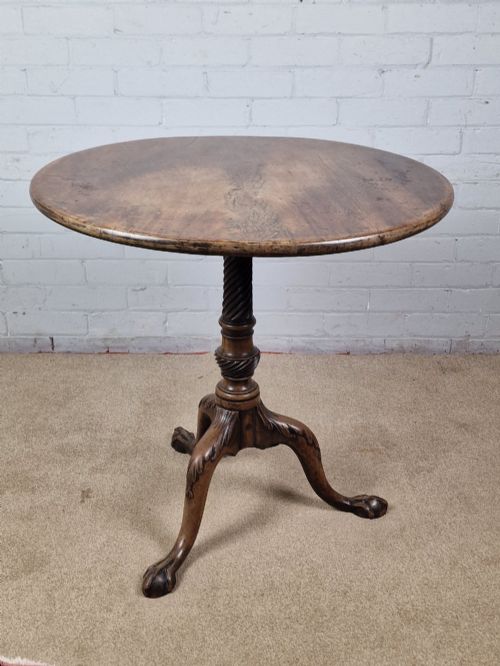


Carved Circular Table
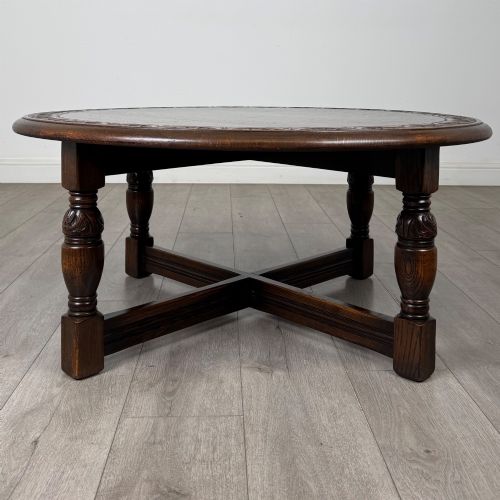
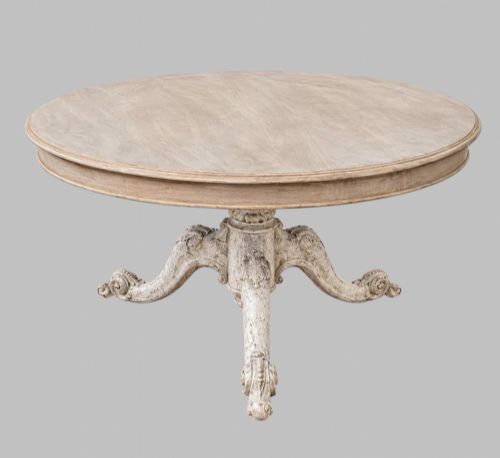
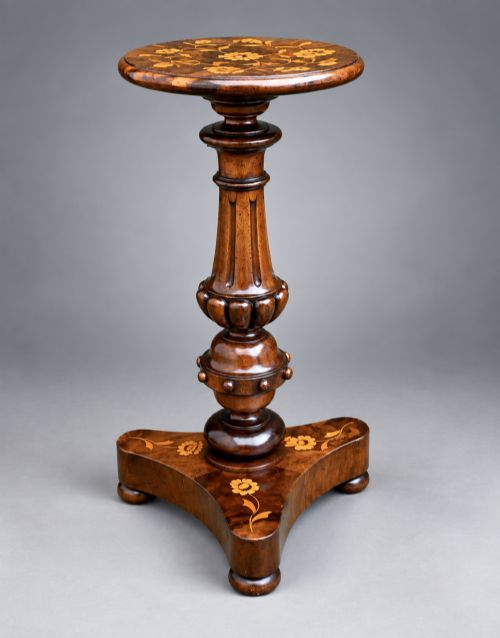
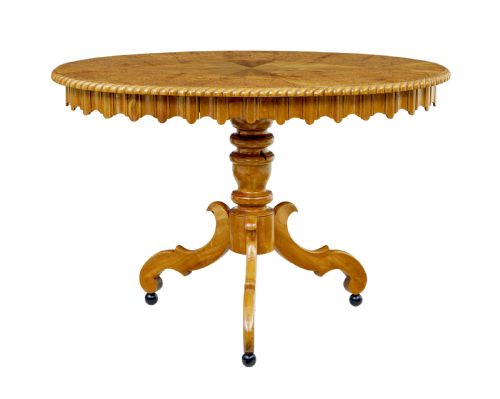
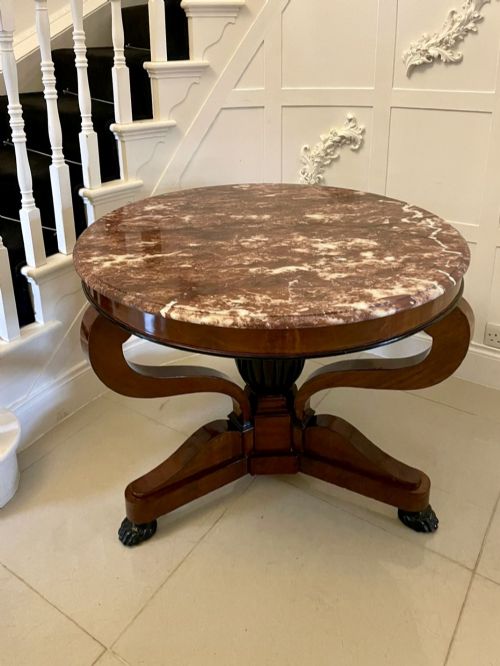
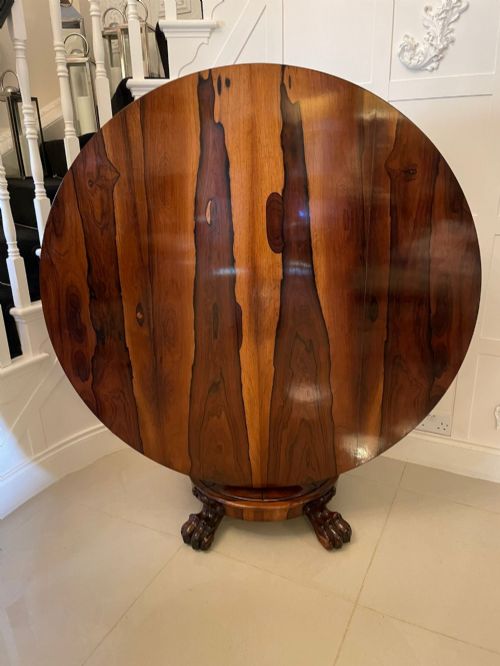
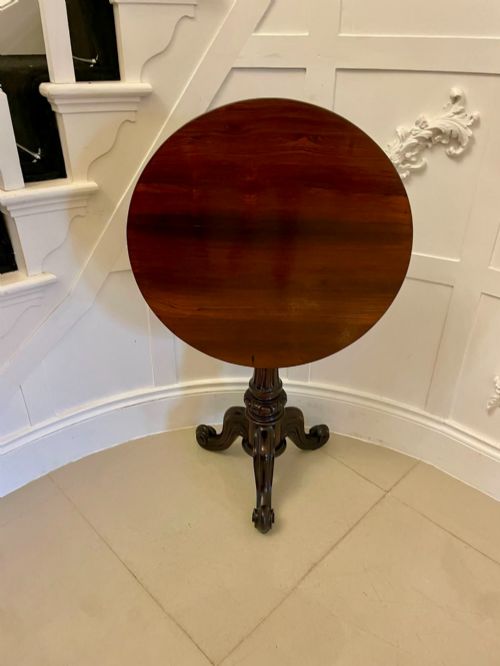
A carved circular table brings a focal point to a room through turned pedestals, tripod bases and carved details.
Carved Circular Table
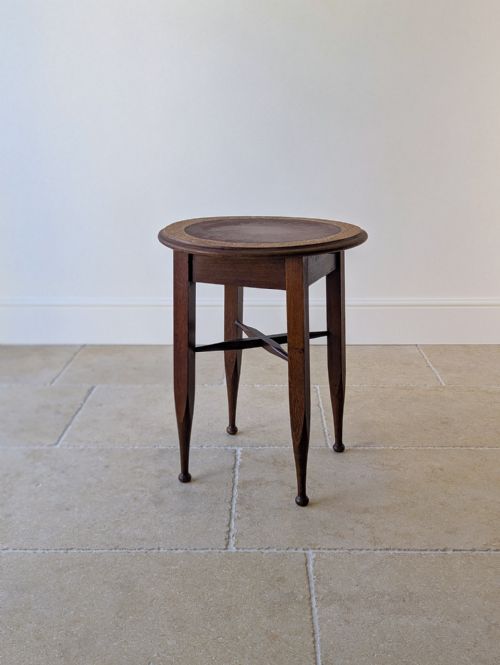
A carved circular table appears in forms ranging from small wine tables and lamp tables to large dining and breakfast pieces. These items serve domestic spaces as central furnishings, occasional surfaces or side tables.
The selections span several periods, notably Victorian, Regency, Edwardian and William IV. Makers from various traditions, including English workshops, Anglo-Indian centres and French ateliers, produced these varied formats.
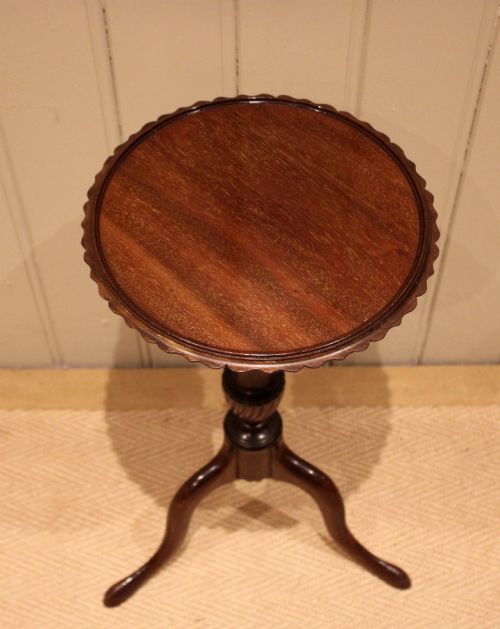
Many examples incorporate pivoting tops, drum configurations or pedestal supports with carved pillar columns and tripod legs. Buyers encounter both domestic hardwood designs and heavily carved imported styles.
How They Were Made
Timbers such as mahogany, rosewood, walnut and oak form the primary structural foundations for these tables. Cabinet makers utilised Burr walnut veneers and flame mahogany to create figured surfaces on top plates.
Carving, turning and joinery techniques define the ornamentation on pedestals, aprons and tripod bases. Brass mounts, leather inserts, bone inlay and inset marble slabs provide contrast to the wooden construction.
Listings feature mahogany, rosewood, walnut and oak materials across Victorian, Regency and Edwardian periods.
What Varies in Quality
The selection of timber grain, particularly matched veneers and solid timber thickness, separates standard production from finer cabinet work. Superior items display crisp, hand-carved detailing on columns and feet rather than shallow or mechanical shaping.
Stability and proportion dictate the integrity of a piece, with well-balanced tripod bases and smooth mechanism movement in tilt-top or extending formats marking higher craftsmanship.
Gillow·Liberty & Co
The Carved Circular Table Glossary
- Tilt top table
- A table with a mechanism that allows the top to pivot to a vertical position when not in use. This design enabled easier storage against walls in period interiors.
- Gueridon
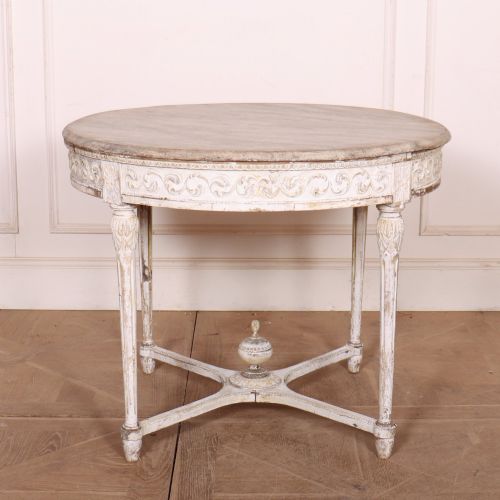
- A small French table, often round and supported by a single central pillar or figures. These pieces frequently feature marble tops.
- Drum table
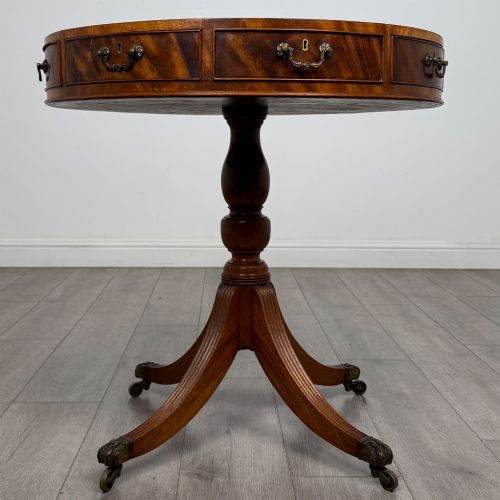
- A deep-skirted circular table containing drawers around the perimeter, typically supported on a central pillar and tripod base. They originated for library and office use.
- Triform base
- A three-sided pedestal foot arrangement supporting the central column of a table. It provides stability for heavy dining and breakfast formats.
- Marquetry
- Decorative inlay work using various woods or other materials to form pictorial or geometric patterns on furniture surfaces.
Carved Circular Table: Frequently Asked Questions
Where do I put a circular table?
These tables fit well in the middle of a room as centre pieces or tucked into corners as lamp and wine surfaces. Their round footprint softens linear room layouts.
Larger versions function effectively in dining rooms or entrance halls, while smaller tripod designs suit sitting rooms.
How do tilt top tables work?
A catch mechanism underneath allows the tabletop to release and pivot ninety degrees. This lets the furniture sit flat against a wall.
Period mechanisms rely on wooden catches or brass latches that engage securely when the top returns to horizontal.
What is a breakfast table?
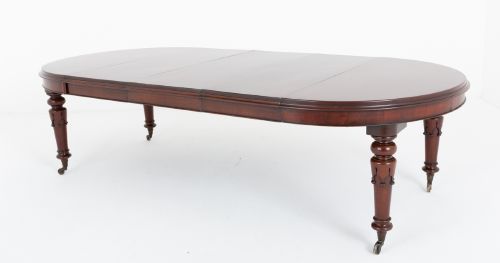
A breakfast table is a large pedestal dining table from the nineteenth century, often featuring a circular top. They were utilised for informal morning meals before formal dining rooms were opened.
Many incorporate a tilt mechanism or a sturdy triform base to support heavier rosewood or mahogany construction.
How do I care for a marble top?
Marble surfaces require wiping with a damp cloth and mild soap to avoid staining from liquids. Acidic substances like wine or lemon juice can etch the polished stone.
Using coasters and placemats protects both the marble inset and the surrounding wooden frame from moisture damage.