





Carved Campaign Furniture
Carved campaign furniture brings portable utility into domestic spaces through clever folding mechanisms and intricate craftsmanship.
Carved Campaign Furniture
Carved campaign furniture comprises portable items originally designed for travel by military officers and colonial administrators, adapted with decorative carving. These pieces span the Victorian period and the early twentieth century, including items dated from 1835 to 1920.
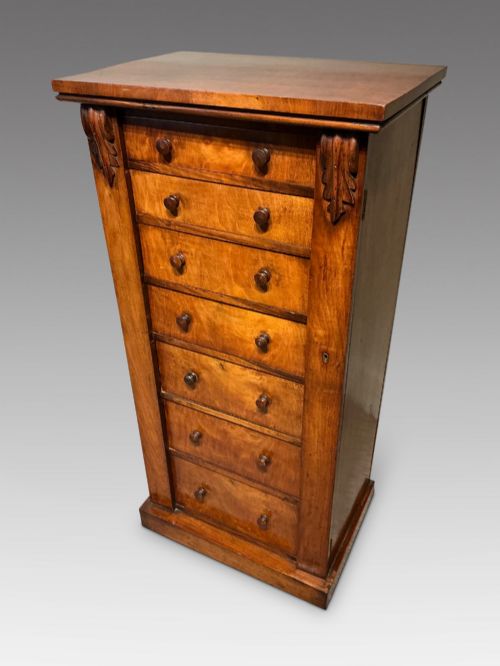
The selections available here run from practical chests of drawers and secretaires to dining tables, tea tables, side tables, and washstands. Seating is also prominent, featuring folding armchairs, accent chairs, and plant stands.
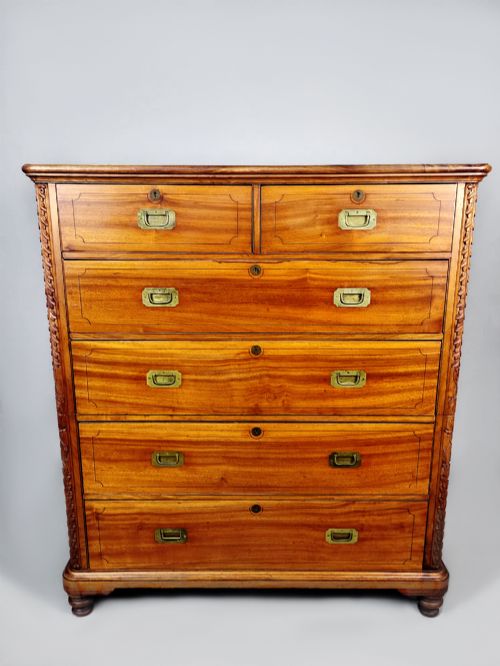
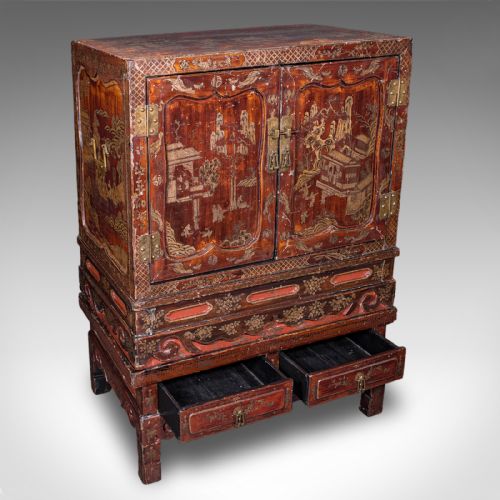
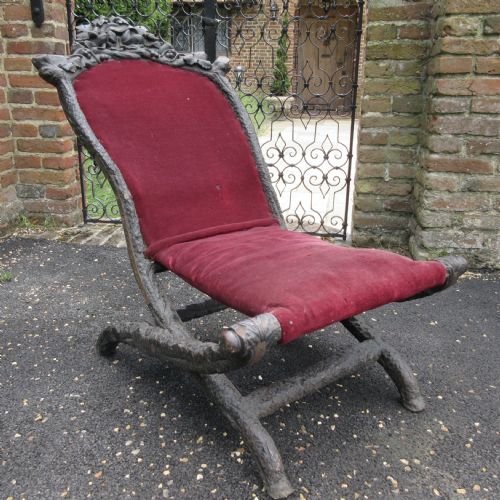
Origin styles lean heavily toward Anglo-Indian, Anglo-Chinese, British Colonial, and Chinoiserie aesthetics. Buyers frequently encounter folding chairs with pierced carved crest rails and robust two-part chests.
How they were made
Construction relies upon dense tropical hardwoods selected for durability during travel, primarily teak, mahogany, padouk, walnut, and camphor wood. These timbers are frequently accented with brass hardware, including folding hook pulls and structural corner braces.
Carving techniques enrich the surfaces of tables, chairs, and cabinets, often reflecting Anglo-Indian or Chinoiserie traditions. Folding mechanisms, removable legs, and multi-part modular designs allow these heavy wooden items to collapse or separate for transport.
Carved Campaign Furniture Retail Price Guide 2026
Typical asking prices for carved campaign furniture among the pieces listed under this phrase on Sellingantiques today, from the lower quarter to the upper quarter. They describe what is for sale here now, not the wider market.
What varies in quality
Quality reveals itself in the crispness of the hand-carved detail and the precision of the joinery that permits folding elements to operate smoothly. Superior examples maintain structural integrity across moving parts like hinges, folding frames, and sectional chests.
Material selection divides the range, with dense native hardwoods such as padouk and camphor wood commanding attention above standard timber builds. The integration of brass mounts and decorative elements like bone button decorations further distinguishes finer pieces.
The Carved Campaign Furniture Glossary
- Campaign chest
- A modular chest of drawers built in two or more stacking sections with recessed brass handles for transport.
- Secretaire
- A cabinet or chest featuring a fitted writing drawer with a drop-front desk surface.
- Torchere
- A tall, decorative stand intended for holding a plant, lamp, or vase.
- Boot jack
- A small device designed to assist with the removal of riding boots without using hands.
- Crest rail
- The top horizontal member of a chair back, frequently carved in Anglo-Indian or colonial styles.
Carved Campaign Furniture: Frequently Asked Questions
What is carved campaign furniture?
Carved campaign furniture consists of portable furnishings designed for travel by officers and officials during the nineteenth and early twentieth centuries. These pieces combine utilitarian folding mechanisms with detailed colonial and oriental carving.
Items range from two-part chests of drawers and folding tables to armchairs and washstands. They allow users to enjoy substantial wooden furnishings that can be easily dismantled or folded for movement.
How do you use campaign chairs today?
Campaign chairs function well as flexible seating in sitting rooms, studies, or bedrooms. Their folding design makes them easy to reposition or store when floor space is needed.
Many examples feature decorative carved crest rails and upholstery that suit traditional and eclectic interiors. Their historical portability adds character to modern living spaces.
How are two-part chests constructed?
Two-part chests are built as separate upper and lower cabinet modules that stack securely together for stability. This modular construction allowed nineteenth-century travellers to transport heavy hardwood storage in manageable sections.
Recessed brass handles and corner brackets protect the edges from damage during transit. The sections lock into place using internal pins or hooks.
What timbers were used?
Makers utilised dense tropical hardwoods capable of withstanding harsh climates and frequent transport. Common materials include teak, mahogany, padouk, walnut, and fragrant camphor wood.
These timbers are frequently combined with brass hardware and bone accents. The natural oils in woods like teak and camphor also helped protect the pieces from humidity.