

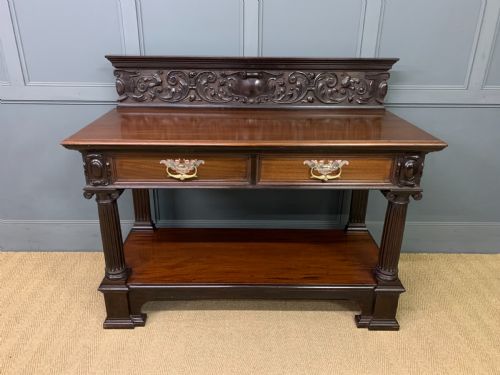
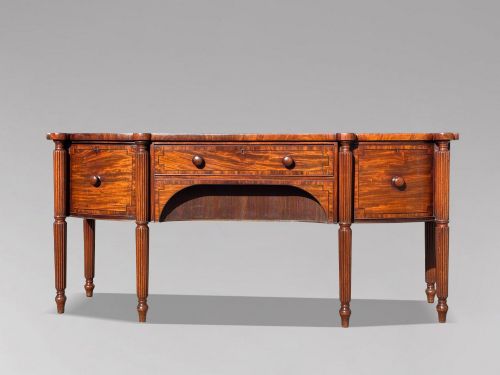
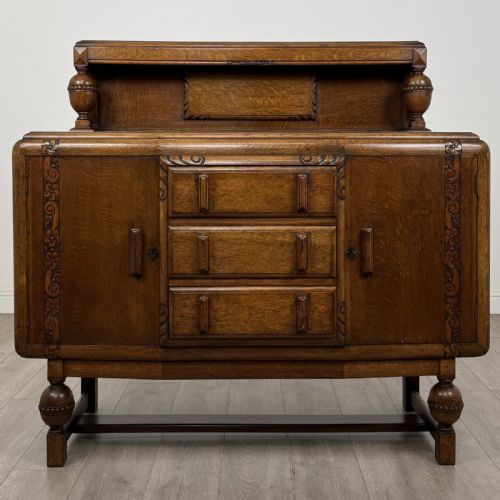
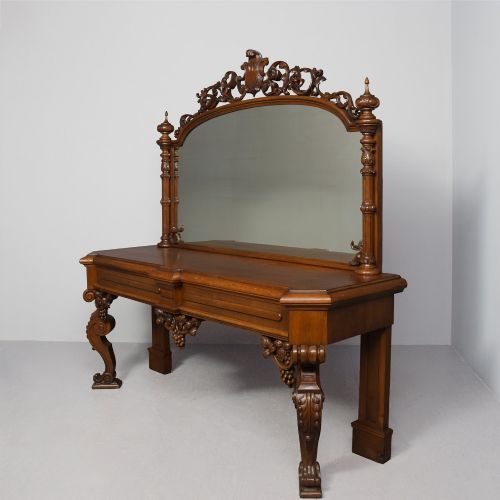
Carved Buffet Table
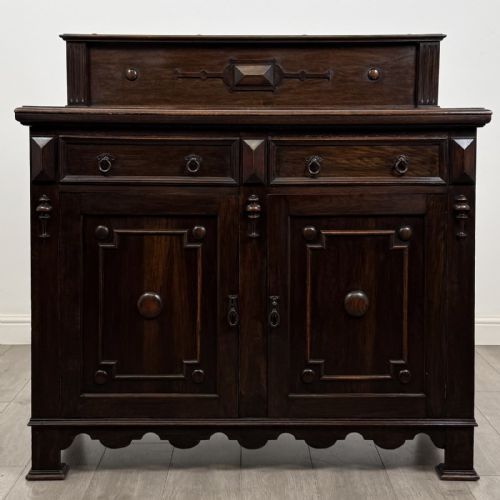
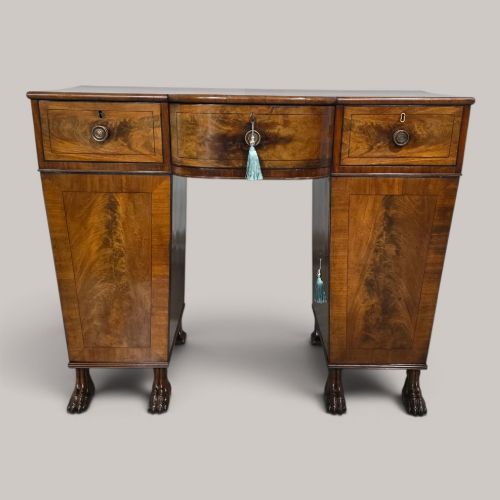
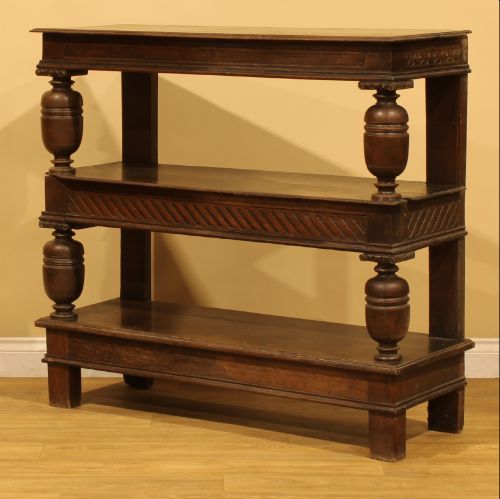
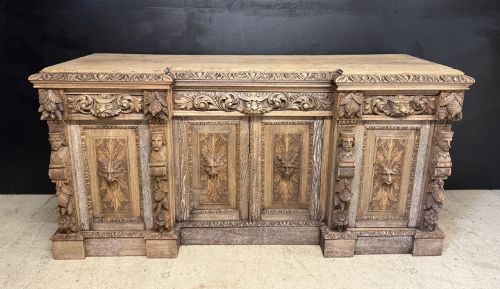
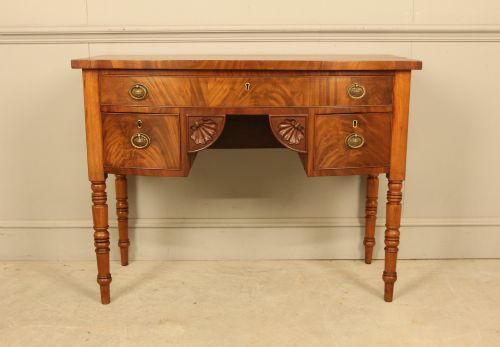
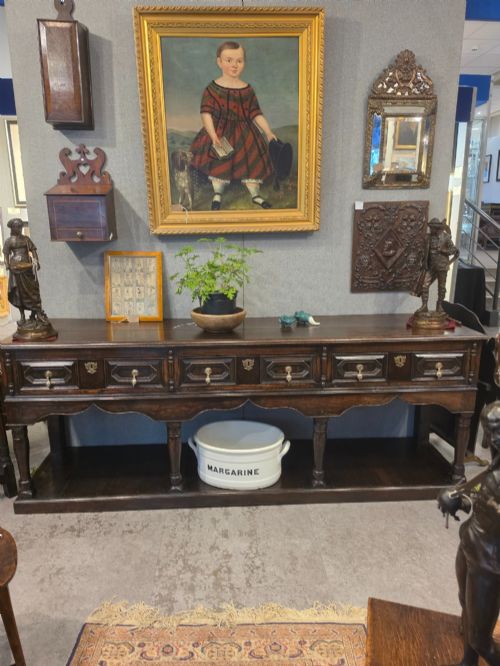
A carved buffet table delivers substance and gravity to a dining room, offering substantial surface space and concealed storage built from rich timber.
Carved Buffet Table
A carved buffet table sits within a lineage of dining room serving pieces, often crossing categories with sideboards, consoles, and dresser bases. When searching for a carved buffet table, buyers encounter heavy timber forms designed for food service and display.
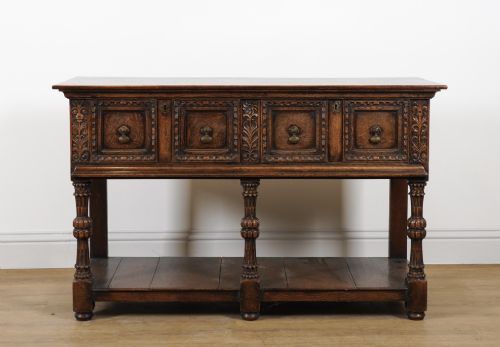
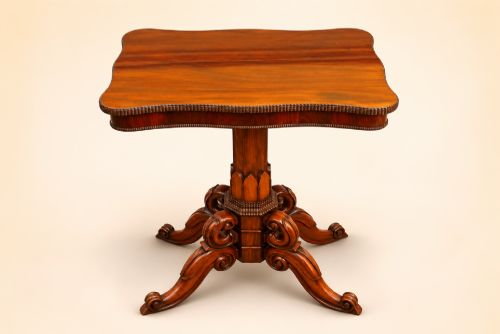
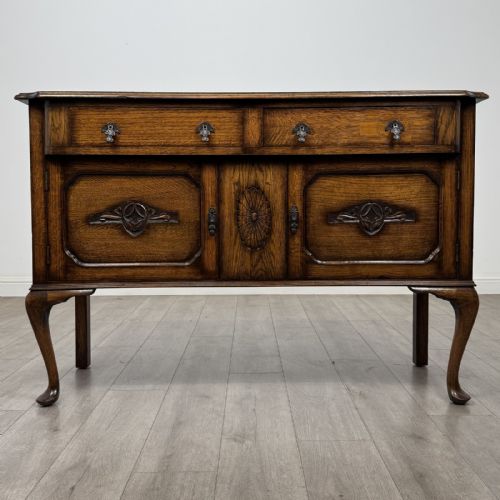
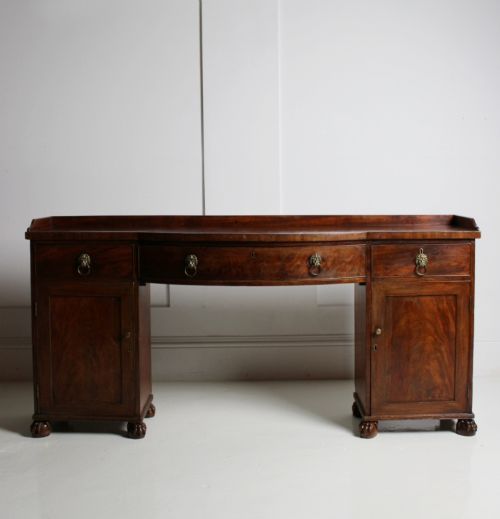
The pieces appearing in this category span several centuries, with a strong representation of nineteenth-century Victorian designs alongside twentieth-century revivals. Oak and mahogany dominate the selection, appearing in forms ranging from mirror-back display units to sturdy potboard bases.
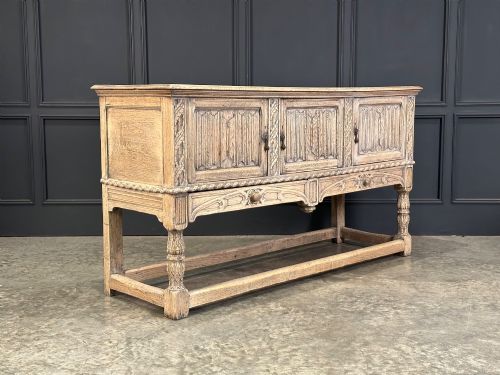
Variations in regional design emerge across the selection, including English country interpretations, French oak serving tables, and Scottish oak examples. Buyers frequently meet pieces bearing Jacobean, Gothic, or Adam revival stylistic details applied to standard storage forms.
Assessing quality in carved furniture
The crispness and depth of the carved ornament distinguish superior pieces from standard production, as hand-carved detail displays a three-dimensional vitality missing in mechanical work. The selection of timber grain, particularly in figured walnut or matched mahogany panels, dictates the visual impact of the facade.
Structural honesty and the integration of hardware affect the longevity and integrity of the piece, with original brass handles and solid drawer linings marking higher standards. Proportion and weight distribution, visible in the balance between the base and any superstructure like a mirror back, determine the architectural success of the design.
Carved Buffet Table Retail Price Guide 2026
Typical asking prices for carved buffet table among the pieces listed under this phrase on Sellingantiques today, from the lower quarter to the upper quarter. They describe what is for sale here now, not the wider market.
M. D. Miller & Sons, Nottingham
The Carved Buffet Table Glossary
- Buffet table
- A serving piece designed for dining rooms to hold food and tableware, typically featuring surface space above cupboards or drawers.
- Stretcher base
- A system of horizontal wooden bars connecting the lower legs of a table or sideboard to provide structural rigidity.
- Potboard
- An open slatted lower shelf found on traditional dressers and sideboards, originally intended for storing earthenware pots.
- Fielded panel
- A wooden panel with bevelled edges that fit into a surrounding grooved frame, allowing the wood to expand and contract safely.
- Pedestal sideboard
- A configuration featuring central storage flanked by two vertical cabinet pedestals, popular during the nineteenth century.
Carved Buffet Table: Frequently Asked Questions
What is the difference between a sideboard and a buffet table?
Sideboards and buffet tables share similar lineages in dining room furniture, primarily serving functions related to food preparation and tableware storage. The terminology often overlaps depending on the period and regional origin of the maker.
Historically, buffet tables lean slightly more towards serving surfaces, while sideboards frequently incorporate complex combinations of cupboards, drawers, and sometimes mirror backs. Both forms prioritise heavy timber construction and decorative carving.
How do I date a carved wooden buffet table?
Dating requires examining the secondary woods, construction techniques, and stylistic revivals present in the carving and hardware. Nineteenth-century examples often display heavy Victorian proportions or Gothic revival motifs.
Earlier pieces from the eighteenth century show different joinery and simpler, structural carving compared to the exuberant revival styles of the later Victorian and Edwardian eras. Documented workshops and specific revival periods help narrow down the decade of manufacture.
Where should I place a heavy wooden serving table?
These substantial pieces require strong structural flooring and sufficient wall space to anchor their visual weight in a room. Dining rooms remain the traditional home for serving tables, where they function alongside dining suites.
Living rooms and large hallways also accommodate these items, particularly console versions with marble tops or narrower proportions. Freestanding placement works well for pieces finished with carving on all sides.
How do I care for antique oak and mahogany surfaces?
Maintain timber surfaces by applying quality beeswax periodically to nourish the wood and preserve the natural sheen of the polish. Avoid placing wooden furniture in direct sunlight or near heat sources that could cause the timber to split.
Clean surfaces with a soft, dry cloth rather than modern chemical sprays, which can damage historic finishes. Marble tops require gentle cleaning with neutral soap to prevent staining from acidic liquids.