





Carved Bone Sculpture
These carved bone sculpture pieces combine practical materials with intricate artistry, offering a glimpse into diverse global traditions from the eighteenth century onwards.
Carved Bone Sculpture
When you search for carved bone sculpture, you find an eclectic mix of objects ranging from practical items to devotional pieces and tribal artefacts. These creations span several centuries, with a strong representation of nineteenth-century examples alongside earlier eighteenth-century works.
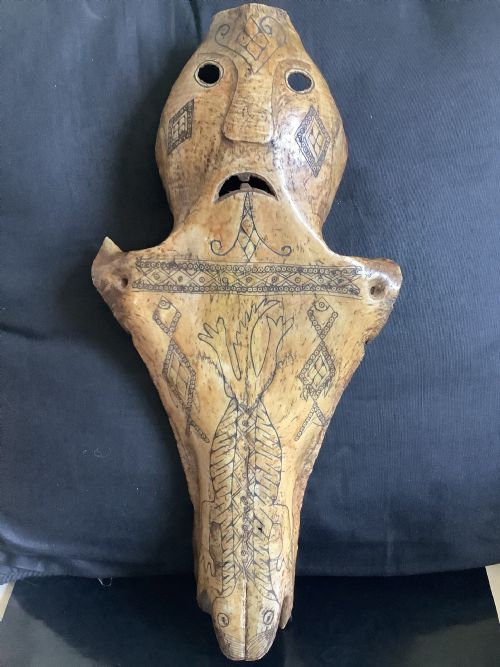
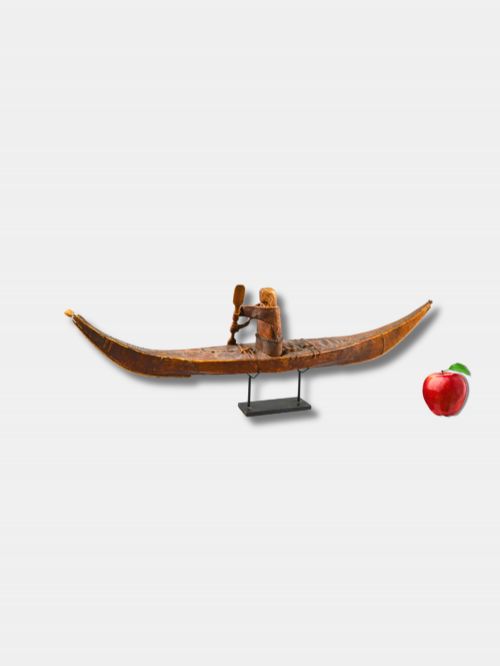
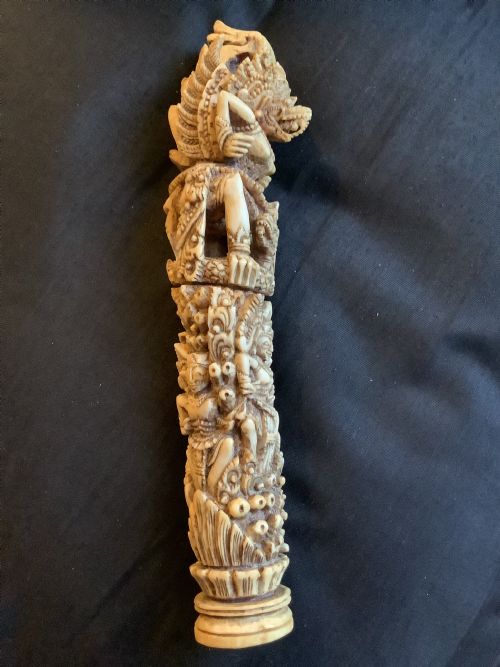
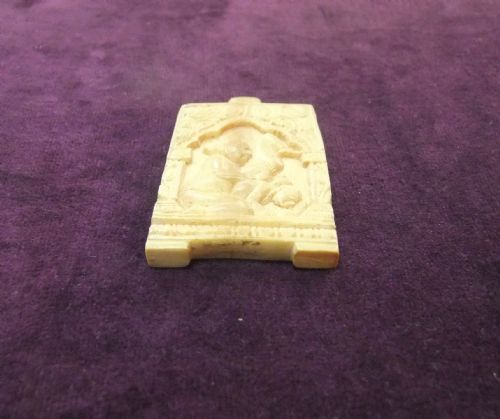
The forms vary widely across the inventory, taking shape as human skulls, animals like elephants and hippopotami, netsuke, and ceremonial items. Inuit carvings, Indian panels, and African tribal objects feature prominently among the current selections.
Originating from distinct cultural contexts, these items serve various functions, from ritualistic figures to intricate personal accessories. Buyers will encounter both European memento mori pieces and indigenous works utilising whalebone, antler, and staghorn.
How they were made
Makers utilised organic materials readily available to them, combining bone, whalebone, staghorn, and antler with supplementary elements like wood, metal, and tanned seal skin. These raw substances required patient hand-tooling to achieve the fine detail visible in the finished forms.
Carvers employed knives, chisels, and abrasive materials to shape the dense medium, often exploiting the natural contours of vertebrae, horns, and long bones. The integration of mixed media, such as wrought iron fittings or wooden backing panels, supported the structural integrity of larger sculptures.
Materials span bone, wood, horn, metal, ivory, wrought iron, and tanned seal skin.
What varies in quality
The degree of anatomical precision and depth of relief carving dictate the standard of individual pieces. Masterful execution transforms raw bone or antler into expressive figures with nuanced surface textures.
Condition and completeness also determine the standing of an item, particularly where organic components such as seal skin or wooden mounts are involved. Original patination resulting from handling and age adds depth to the material without obscuring the carver's marks.
The Carved Bone Sculpture Glossary
- Memento mori
- An artistic or symbolic reminder of the inevitability of death. These objects often take the form of skulls or skeletons.
- Tupilak
- A carved figure in Inuit culture traditionally made from bone, ivory, or wood to represent a revenging monster or protective spirit. These items carry significant shamanic associations.
- Staghorn
- The shed antler of a stag, used as a dense, workable material for handling and small-scale carving. It shows a distinctive porous internal structure when cut.
Carved Bone Sculpture: Frequently Asked Questions
What materials are used?
Makers carved bone, whalebone, antler, and staghorn, frequently combining them with wood, metal, and leather.
Organic components display distinct surface textures depending on the animal source.
How old are these pieces?
The inventory spans from the eighteenth century through to the early twentieth century, including Edwardian examples.
Nineteenth-century items form a substantial portion of the available selection.
Where do these sculptures originate?
Objects come from diverse regions, including Inuit communities, West Africa, India, Indonesia, and Europe.
Each geographic origin brings distinct cultural motifs and carving techniques to the medium.
How should I care for bone?
Keep organic sculptures away from direct sunlight and sudden temperature fluctuations to prevent drying and cracking.
Handle pieces gently by their sturdy sections rather than delicate protruding details.