






Carved Bone Artefact
These carved bone artefact examples span global tribal traditions and maritime history, offering collectors tangible links to past utilitarian and ceremonial practices.
Carved Bone Artefact
A carved bone artefact encompasses a diverse range of objects originating from 18th century, 19th century, and Victorian periods. The items listed on this page cross multiple geographic regions, reflecting distinct cultural and functional uses from domestic tools to spiritual pieces.
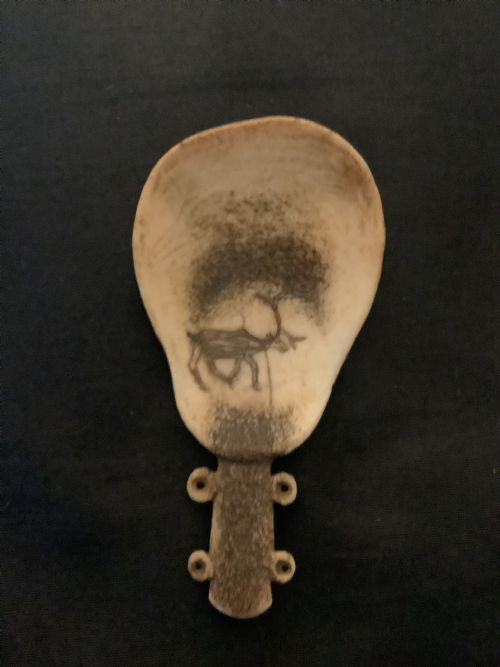
Buyers will encounter several key forms in this category, including smoking accessories such as Chinese opium pipes and west African Congo pipes. Other domestic and utilitarian objects comprise sail makers seam rubbers, long bone items, and spoons.
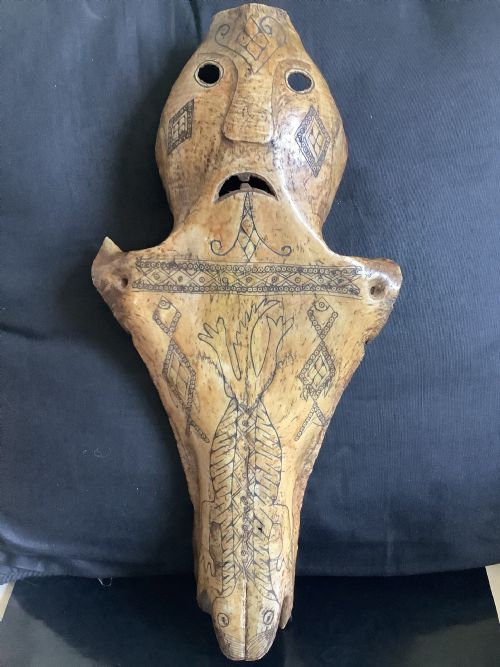
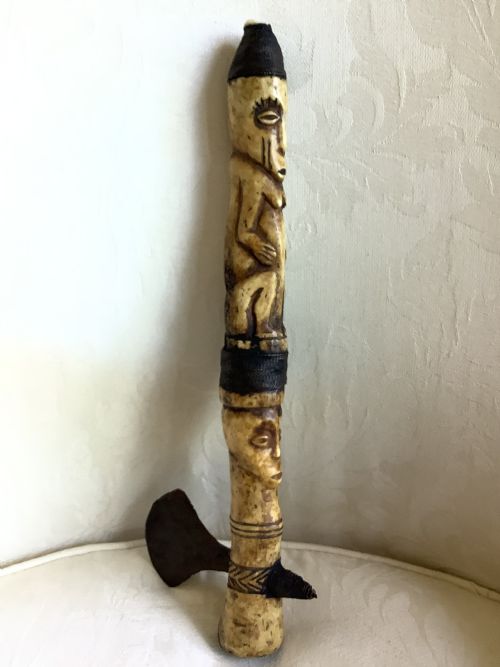
Ceremonial objects and sculptures form another significant part of the selection, featuring Indonesian tribal skulls from the Atoni people, African tribal ceremonial axes, and Inuit whalebone statues. Tribal weapons such as Papua New Guinea highland fighting clubs also appear within the evidence.
What varies in quality
The standard of a carved bone artefact is often determined by the fineness of the carving and the complexity of the design. Pieces displaying detailed figural work or intricate surface patterns represent the upper end of the range.
Condition and integrity of the original materials also influence the character of each piece. Retained pigment, secure metal fixings, and stable combinations of bone and wood contribute to a stronger historical example.
The Carved Bone Artefact Glossary
- Antler
- Horn material shed annually by members of the deer family, utilised for durable items like spoons and tools.
- Whalebone
- Dense skeletal material from cetaceans, frequently carved by maritime communities into statues and utilitarian objects.
- Seam rubber
- A smooth handheld tool used by sail makers to flatten and press canvas seams during construction.
- Guanyin
- A revered East Asian deity often depicted in carved sculptures and decorative pipe ornamentation.
- Atoni
- An indigenous ethnic group of West Timor known for distinctive material culture including carved skull objects.
Carved Bone Artefact: Frequently Asked Questions
What are carved bone artefacts?
These pieces comprise historical objects shaped from bone, whalebone, and antler across various global cultures and time periods.
They include practical tools, smoking pipes, ceremonial weapons, and sculptural statues.
How were these objects used?
Many items served daily practical functions, such as sail making tools or domestic spoons.
Others held ceremonial, ritual, or personal status within their respective communities.
Which periods do these items represent?
The available selection primarily spans the 18th century, the 19th century, and the Victorian era.
Specific pieces date from around 1840 through to 1900.
How do I care for bone artefacts?
Keep objects away from direct sunlight and stable environmental conditions to prevent drying or cracking.
Avoid harsh chemical cleaners and handle delicate carved surfaces with clean, dry hands.
Where do these artefacts originate?
The pieces reflect diverse global origins, including Inuit, African, Indonesian, and Chinese traditions.
Maritime examples also point to British and European working contexts.