

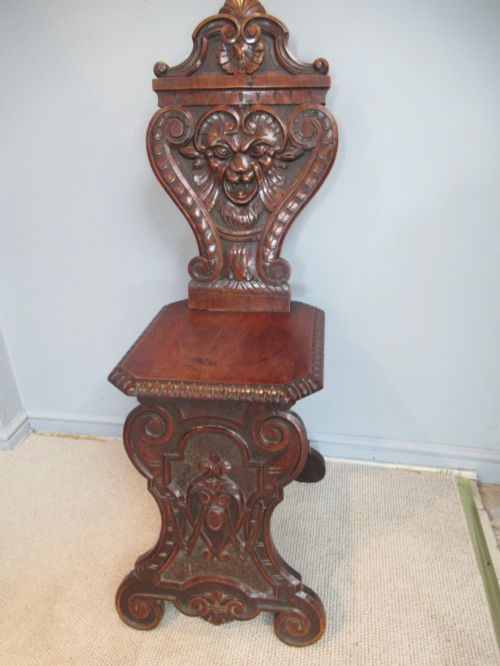


Carved Back Hallway Bench
A carved back hallway bench provides a striking entryway seat, combining sturdy timber frames with decorative panelwork for practical daily use.
Carved Back Hallway Bench
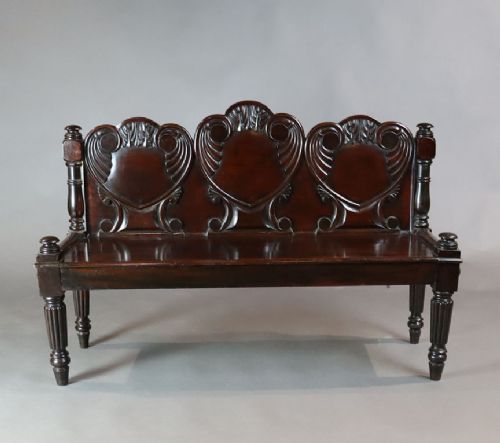
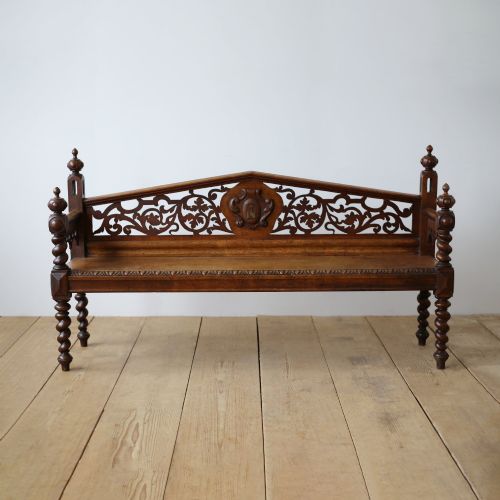
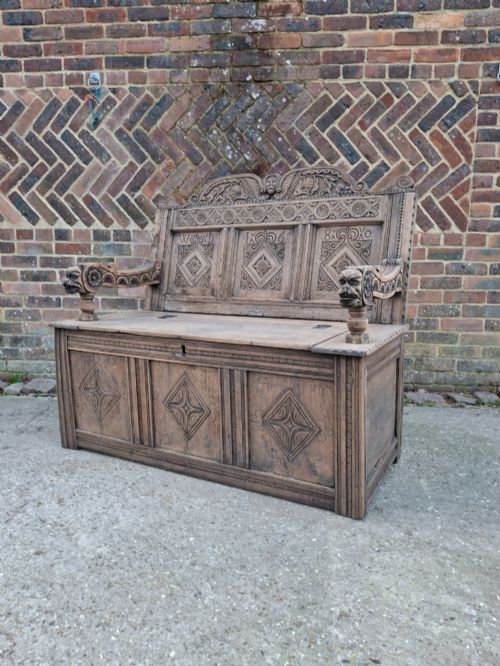
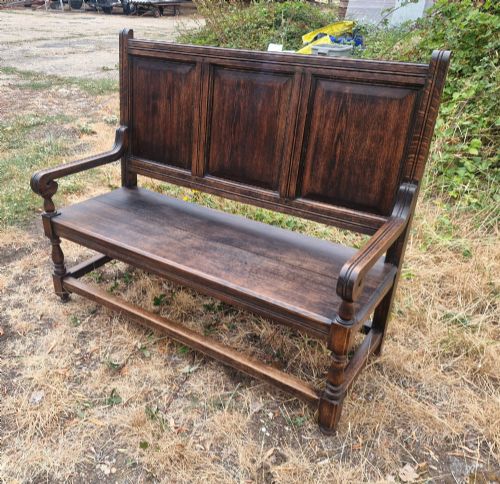
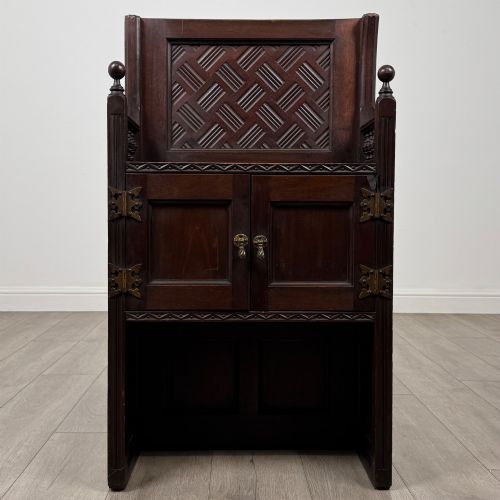
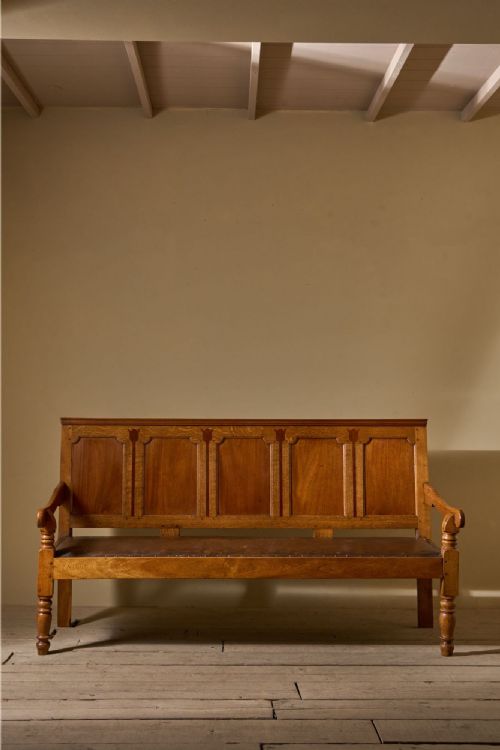
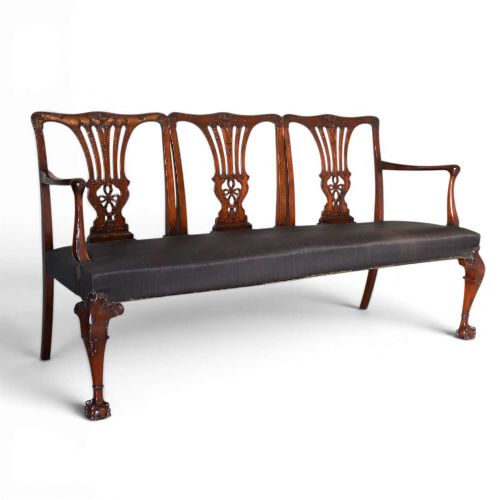
A carved back hallway bench encompasses various forms of seating designed for passage spaces, including settles, box settles, hall chairs, and settees. You are most likely to encounter 19th-century and Edwardian oak examples featuring panelled backs and floral or geometric carving.
The materials span native timbers like oak, pine, ash, and elm alongside imported woods such as mahogany and walnut, occasionally incorporating fabric, leather, or brass details. Origins range from British workshops to French, Italian, Spanish, and Scandinavian makers.
These pieces function as boot room seats, hallway furniture, and corridor benches, often doubling as storage units with cupboards or boxes built into the base. The styles draw heavily on Georgian, Victorian, Jacobean Revival, and Gothic traditions.
How They Were Made
Carpenters utilised solid timber construction, joining heavy oak, walnut, or mahogany panels with traditional mortise and tenon joints to withstand decades of heavy use in busy hallways. Frame components were hand-carved with relief patterns, linenfold designs, or floral motifs.
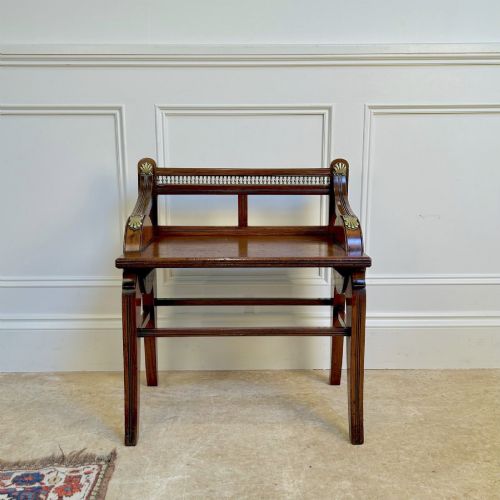
Secondary timbers such as pine and ash appear in structural linings and rustic regional pieces, whilst finer examples feature satinwood inlay or brass fittings. Upholstered variants rely on webbing and padding finished in fabric or leather.
Carved Back Hallway Bench Retail Price Guide 2026
Typical asking prices for carved back hallway bench among the pieces listed under this phrase on Sellingantiques today, from the lower quarter to the upper quarter. They describe what is for sale here now, not the wider market.
Some tall historic settles once doubled as larders for curing meat, keeping snacks safely out of reach.
What Varies in Quality
The distinction between ordinary and exceptional pieces lies in the crispness of the hand-carving and the selection of figured timber. Superior examples exhibit deep, purposeful chisel work on the back panels rather than shallow, mechanical stamping.
Structural integrity and originality dictate overall worth, separating benches with untouched original patination and robust joinery from those suffering from excessive timber replacement or loose framework.
James Shoolbred·Hampton & Son's
The Carved Back Hallway Bench Glossary
- Settle
- A wooden bench with a high back, solid wooden arms, and frequently a box base for storage. It protected residents from draughts in entrance halls before central heating.
- Box Settle
- A settle featuring a hinged seat opening to a storage chest beneath. This form maximised utility in compact historic interiors.
- Jacobean Revival
- A 19th-century design movement imitating 17th-century English furniture. It is characterised by heavy turned legs, geometric moulding, and deep oak carving.
- Shield-Back Settle
- A seating form incorporating open chair-like backs shaped like a heraldic shield. This design gained popularity during the Georgian and revival periods.
- Bacon Settle
- A tall wooden settle traditionally fitted with hooks inside the high back for curing meat. Later Victorian iterations retained the imposing silhouette for hallway display.
Carved Back Hallway Bench: Frequently Asked Questions
What is a hallway bench?
A hallway bench is a functional wooden seat designed for entryways and passages, offering a place to put on shoes while establishing a formal focal point.
Many historic examples incorporate high backs to block cold draughts or built-in storage boxes beneath the seat for boots and accessories.
How do I style a hall bench?
Position your bench against a prominent hallway or boot room wall where the carved timberwork can be fully appreciated. Add a simple cushion if the seat is un-upholstered for extra comfort.
Keep surrounding decor complementary to the period style, allowing the natural grain of the oak, mahogany, or walnut to stand out.
How old is my wooden settle?
Dating relies on examining construction marks, timber shrinkage, and stylistic revival cues. Pieces from the 17th and 18th centuries display hand-split boards and pegged joints.
Later Victorian and Edwardian revival items often incorporate machine-sawn timber and softer carving styles that imitate earlier centuries.
Are these benches comfortable?
Historic wooden benches prioritise sturdy construction and upright posture over deep lounging. Many feature high wooden backs and solid seats meant for brief seating periods.
Upholstered variants and those paired with custom squab cushions offer a softer sit for daily hallway use.