


Carolean Chairs
Carolean chairs bring dramatic 17th-century carved woodwork into a room, offering high-backed grandeur and rich historic presence.
Carolean Chairs
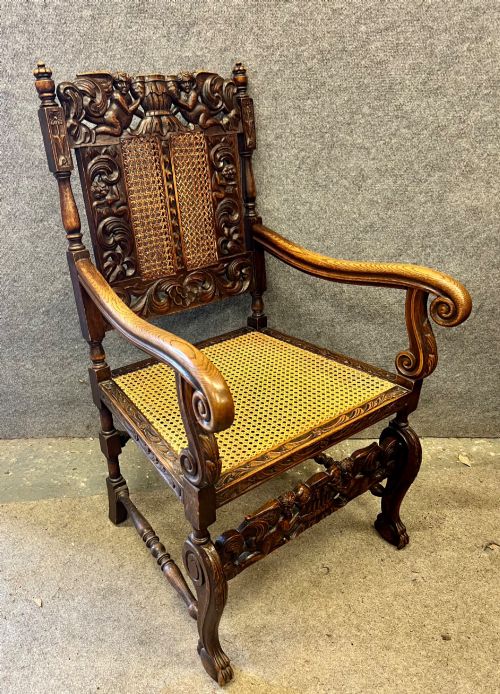
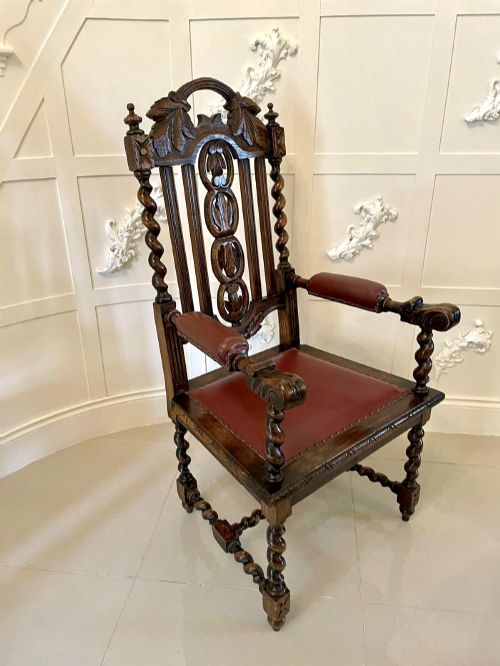
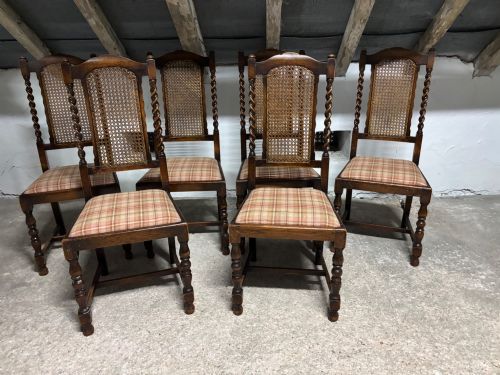
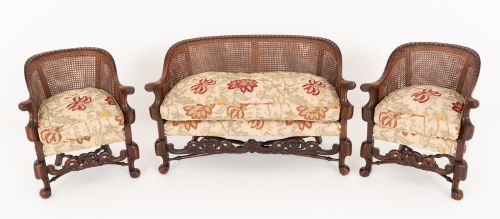
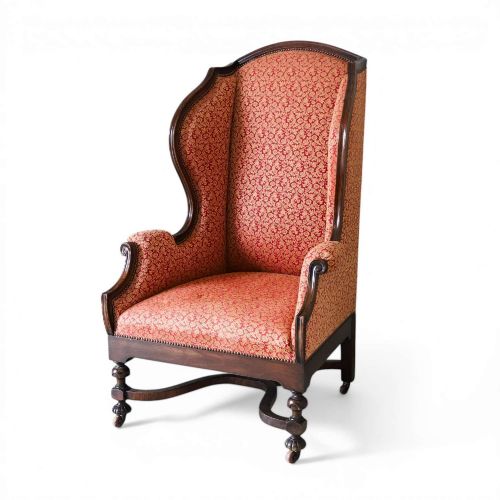
Carolean chairs encompass authentic 17th-century seating alongside later revival pieces produced across the Victorian era and early 20th century. Buyers frequently encounter revival models such as Carolean style dining sets and Victorian oak armchairs alongside original seventeenth-century walnut and oak survivals.
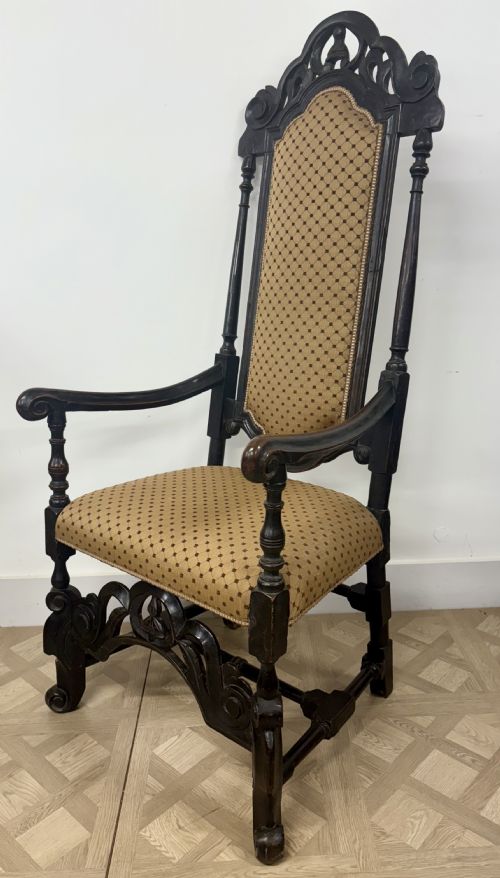
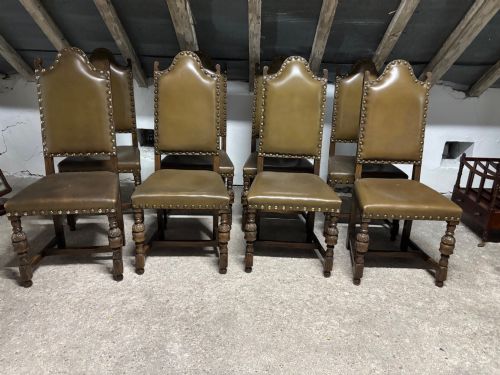
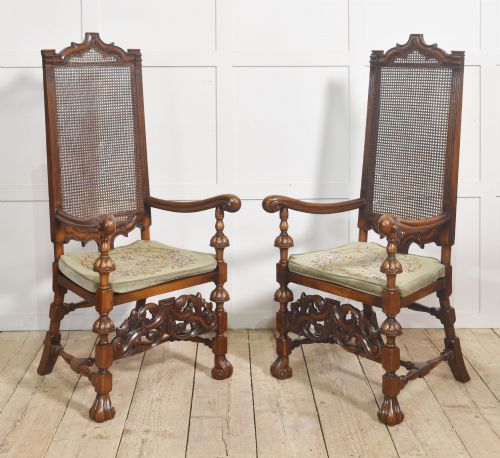
The form spans various seating types including armchairs, high-backed dining chairs, side chairs, and elbow chairs. Makers utilised sturdy timbers and elaborate joinery to produce substantial pieces intended for formal rooms.
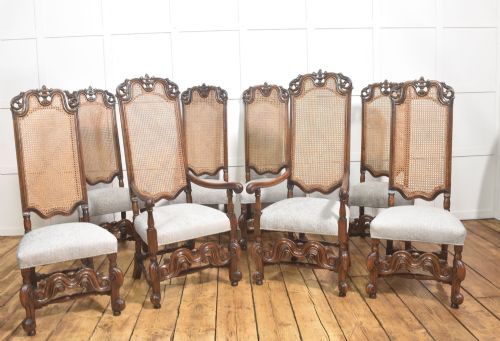
Original pieces date from the mid to late seventeenth century during the reign of Charles II, while revival interpretations replicate the distinctive pierced carvings and scrollwork of that period.
How they were made
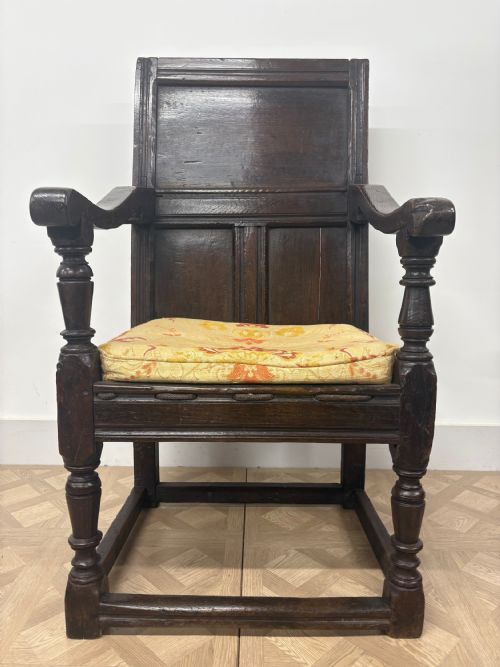
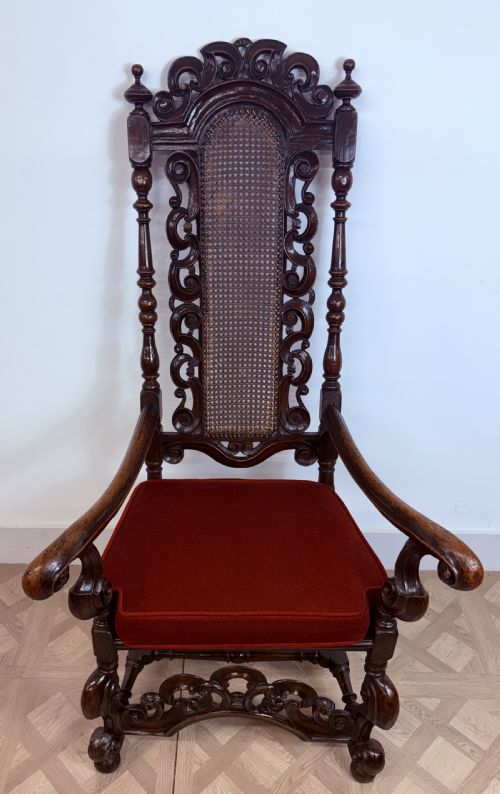
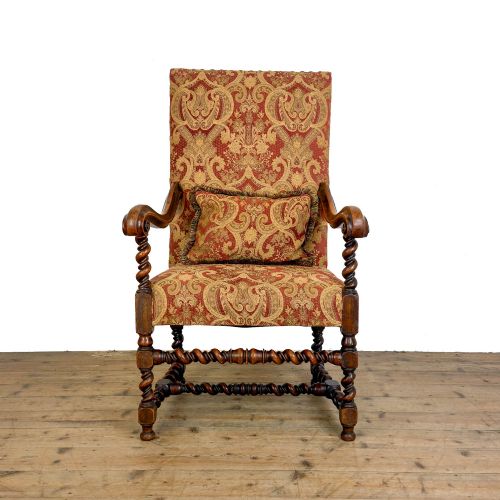
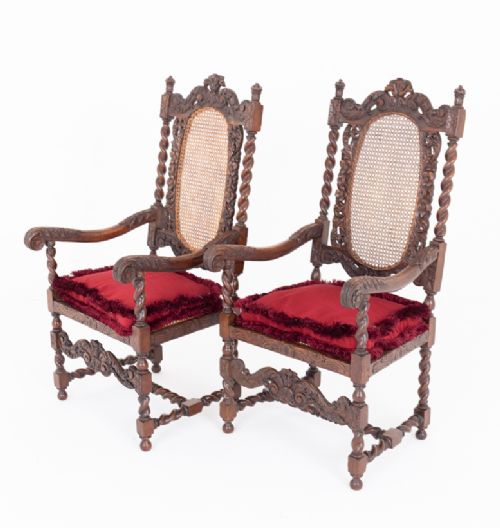
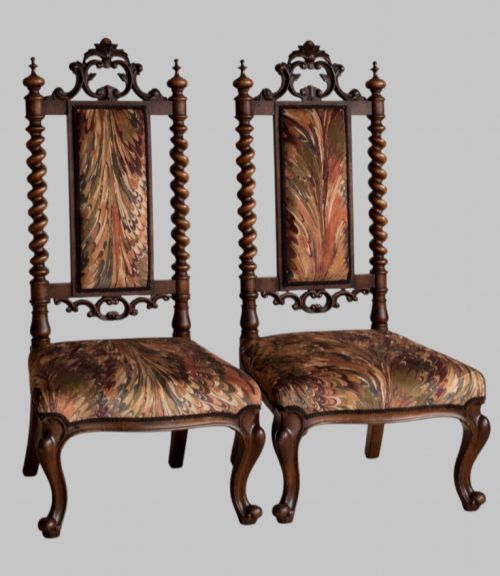
Craftsmen relied primarily on native oak and imported walnut, shaping the timber through heavy carving, turning, and joinery. Structural supports frequently incorporated barley twist legs and intricately carved stretchers.
Seating portions often utilised woven cane inserts, leather, or upholstered pads finished with fabric and velvet. Brass details and applied ornamentation completed the construction of finer examples.
Carolean Chairs Retail Price Guide 2026
Typical asking prices for carolean chairs among the pieces listed under this phrase on Sellingantiques today, from the lower quarter to the upper quarter. They describe what is for sale here now, not the wider market.
What varies in quality
Quality rests in the crispness of the hand-carving and the integrity of the timber frame. Pieces with deeply undercut scrollwork and substantial walnut or oak construction stand apart from simpler revival versions.
The survival of original elements, such as period cane panels and authentic joinery without excessive modern replacement, dictates the standing of each piece.
The Carolean Chairs Glossary
- Cane
- Woven rattan material utilised for chair backs and seats. This technique provides a resilient yet lightweight panel surface.
- Barley twist
- A type of woodturning shaped like a spiral rope. It appears frequently on the vertical supports and stretchers of seventeenth-century and revival seating.
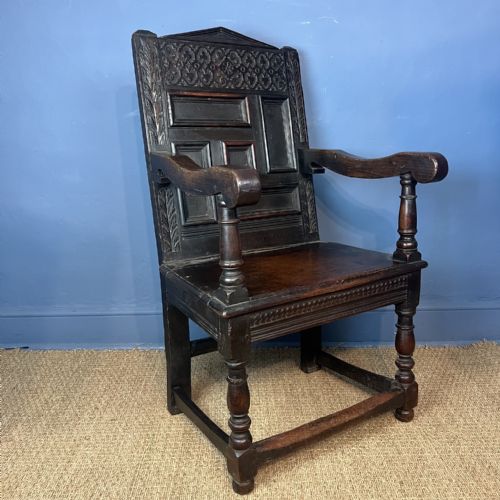
- Wainscot chair
- A heavy wooden armchair constructed mostly of joined oak panels. These sturdy seats represent some of the earliest forms found in domestic interiors.
- Scroll arm
- A curved armrest shaped in a spiral scroll design. This detail characterises the flamboyant aesthetic of Charles II period seating.
Carolean Chairs: Frequently Asked Questions
Are these chairs comfortable for daily use?
Many of these chairs feature upright wooden backs and high seats designed for formal posture rather than lounging. Adding fitted cushions can make them more practical for daily dining.
Original frames require care with weight distribution, while revival versions often provide sturdier daily seating.
How do I distinguish original 17th-century pieces from later revivals?
Original pieces display authentic tool marks, oxidized timber patination, and period joinery methods within the frame construction. Examining the underside and joints reveals the age of the wood.
Revival pieces from the Victorian era or early twentieth century often utilise machine-assisted shaping and standardised hardware.
What rooms suit a high-backed carolean chair?
High-backed dining chairs and elbow chairs anchor a dining table or serve as statement seating in a hallway. Their tall proportions work well against blank walls.
Pairing a single carved armchair with modern furnishings creates a striking contrast of historic texture.
How should I care for cane panels and antique wood?
Cane requires occasional dampening to prevent brittleness, while wood benefits from standard wax polish rather than modern liquid sprays. Keeping them away from direct heat sources protects the natural fibres.
Gentle dusting preserves the carved details and the historic finish of the timber.