





Captain High Chair
These captain high chair pieces combine traditional seating forms with sturdy timber construction for everyday use.
Captain High Chair
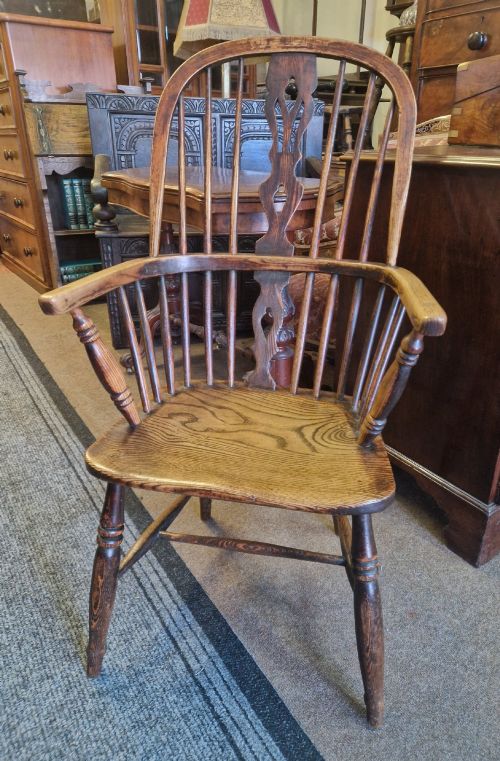
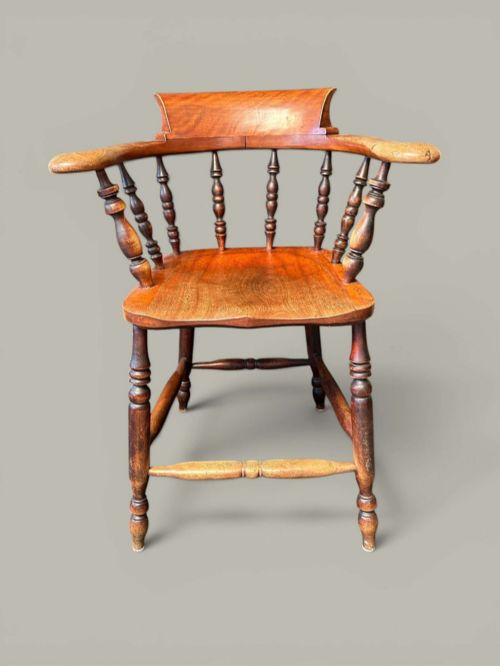
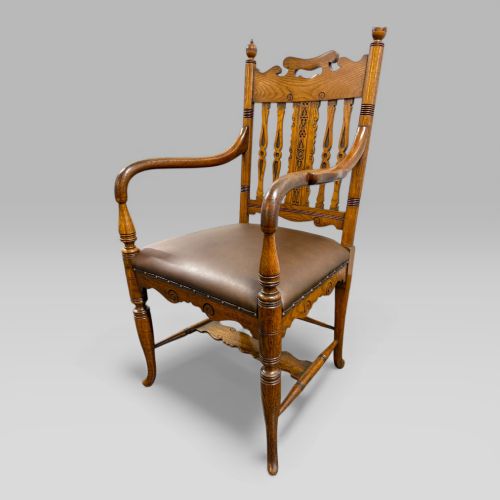
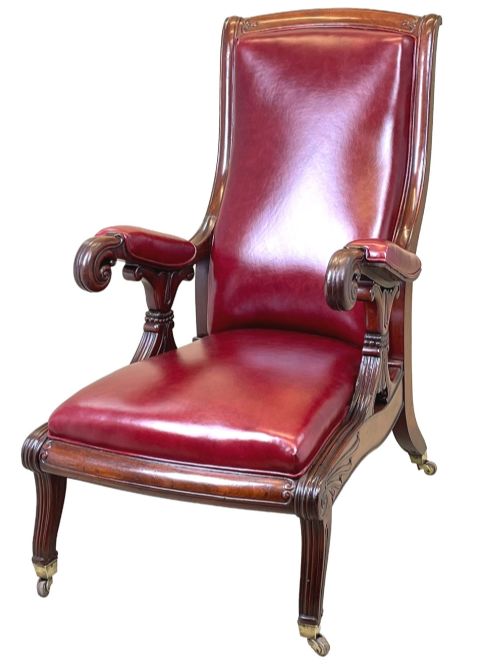
A captain high chair encompasses sturdy armchairs and desk chairs originating primarily from the nineteenth century, including Victorian, Regency, and Edwardian periods.
The selections on this page feature classic vernacular forms such as Windsor chairs, farmhouse armchairs, and library seating designed for sustained sitting.
Makers and regional workshops across England and Scotland utilised native hardwoods to produce robust seating solutions that remain functional today.
How they were made
Craftsmen built these chairs using solid timbers like elm, ash, fruitwood, and oak, often combining multiple woods within a single frame for structural strength.
Traditional joinery techniques involved turning wooden spindles, steaming back rails, and securing seats with pegged joints.
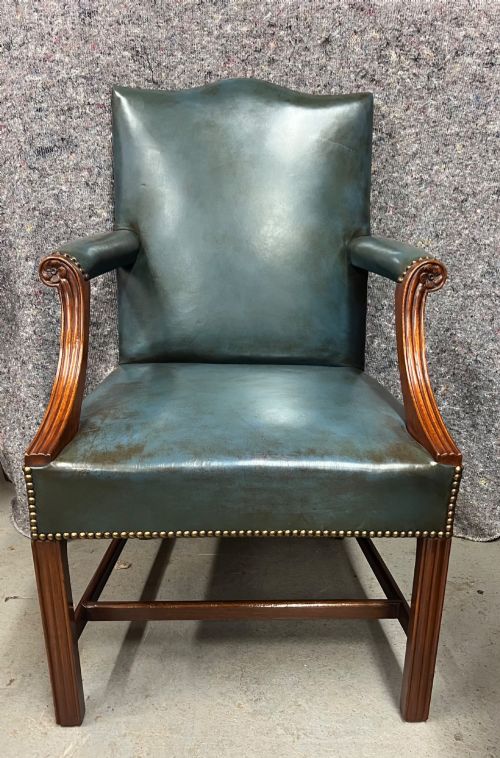
Certain models incorporate leather upholstery fixed with brass detailing over mahogany or oak frames.
Captain High Chair Retail Price Guide 2026
Typical asking prices for captain high chair among the pieces listed under this phrase on Sellingantiques today, from the lower quarter to the upper quarter. They describe what is for sale here now, not the wider market.
Listings incorporate nineteenth-century pieces spanning the Victorian, Regency, and Edwardian eras, constructed in elm, oak, mahogany, and ash.
What varies in quality
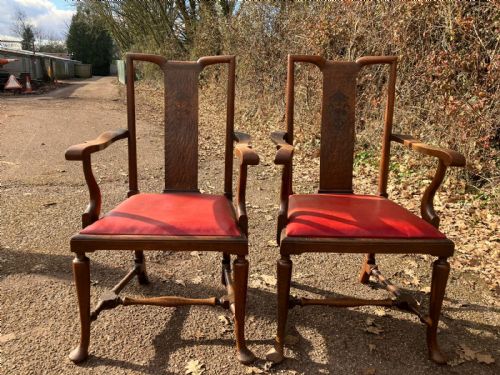
The distinction between standard examples and superior pieces rests on the choice of timber figure, such as richly grained yew or figured golden oak.
Refinement in the turning of spindles and the ergonomic shaping of solid elm or fruitwood seats indicate the skill level of the original workshop.
Gillows·Bruce James Talbert·John Shadford
The Captain High Chair Glossary
- Windsor chair
- A wooden chair featuring a seating platform into which the legs and back spindles are directly inserted. This construction method provides notable rigidity.
- Carver armchair
- An armchair designed with open arms, frequently positioned at the head of a table or utilised as a desk chair. These pieces often display turned supports.
- Vernacular furniture
- Domestic items made by regional craftsmen using local materials rather than following strict metropolitan design rules. These objects reflect local practical needs.
- Broad arm Windsor
- A Windsor chair variant featuring one excessively wide wooden arm designed for writing or working. This form is typical of nineteenth-century desk environments.
Captain High Chair: Frequently Asked Questions
How were these chairs used historically?
Historically, these seating forms served administrative and domestic functions, functioning as library chairs, tavern seating, or desk chairs for writing.
The sturdy construction allowed for daily use in busy working environments, accommodating prolonged periods of sitting.
How do I identify a Victorian piece?
Victorian examples display characteristic nineteenth-century timber choices such as elm, ash, and mahogany, often paired with vernacular turning styles.
Examining the construction under the seat reveals traditional joinery methods that distinguish these older pieces from later reproductions.
How should I care for timber chairs?
Maintain wooden frames by keeping them away from direct heat sources and sudden humidity changes to prevent the timber from splitting.
Applying a traditional wax polish periodically helps nourish the surface and preserve the natural grain of woods like oak and elm.