


Canvas Farm Artwork
Canvas farm artwork brings the quiet rhythm of rural life directly into a room through oil paint on stretched fabric.
Canvas Farm Artwork
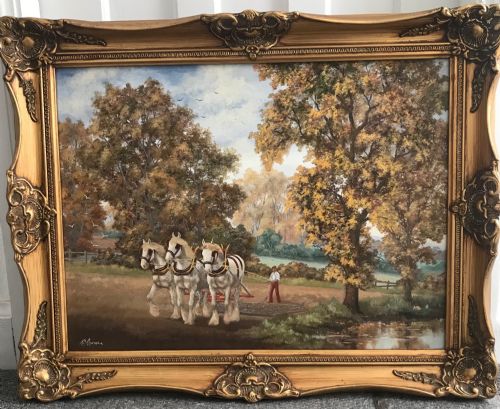
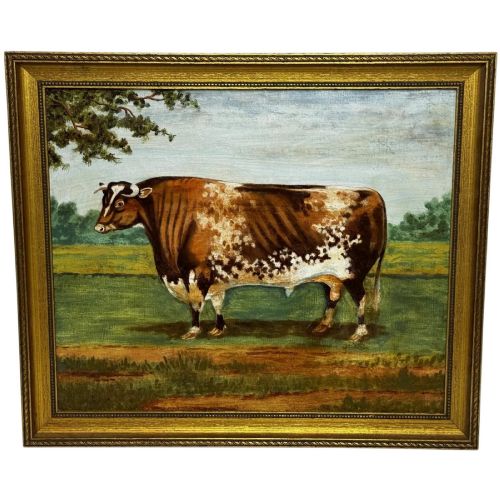
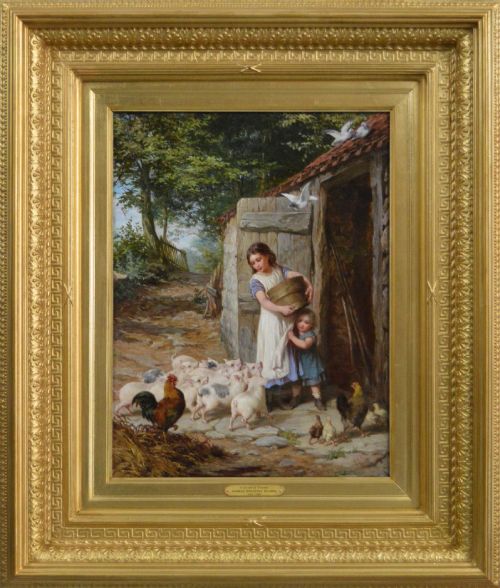
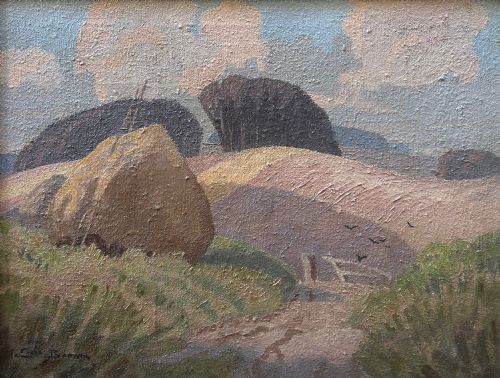
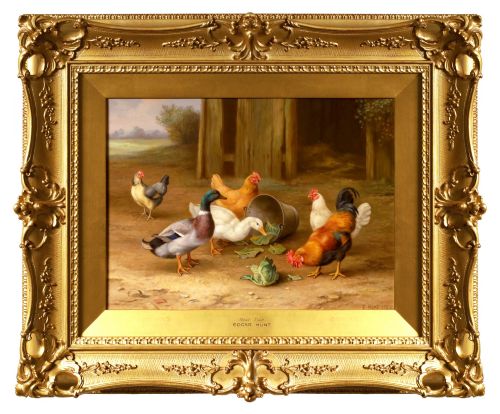
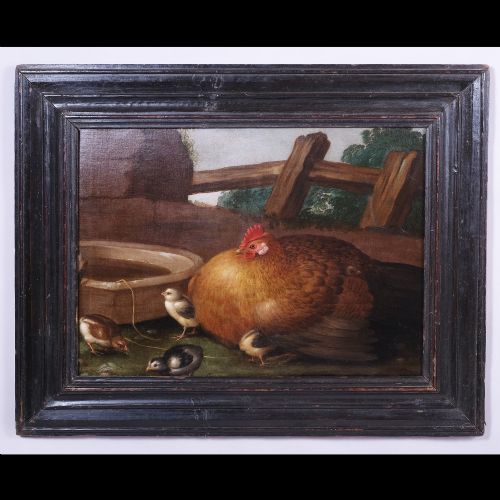
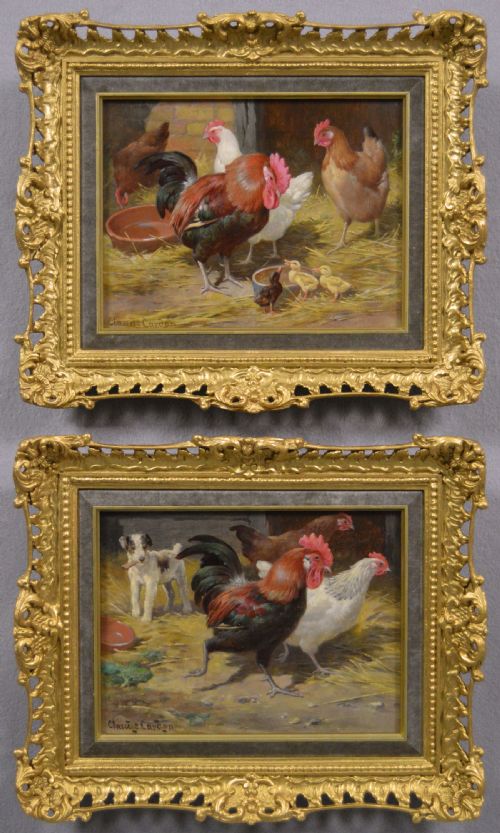
When you search for canvas farm artwork, you encounter oil paintings that capture rural scenes, agricultural landscapes, and farm animals from the nineteenth and early twentieth centuries.
The most common versions on this page are mid-nineteenth century and Edwardian pastoral scenes depicting working horses, cattle, and poultry within British and French country settings.
These pieces range from intimate depictions of livestock inside a barn to expansive landscapes showing labourers resting near harvest fields.
Materials and Technique
Artists built these works using oil paint applied to stretched canvas, often mounted on wooden stretchers and housed in period frames such as ebonised wood or giltwood mouldings.
The technique relies on layered oil pigments to capture the textures of animal coats, feathers, and earthen ground, often finished with a protective varnish coat.
Materials documented in these listings include oil paint, stretched canvas, wood, gilt, and giltwood frames.
Quality Variations
The distinction between standard works and exceptional pieces rests upon the anatomical precision of the animals, the handling of natural light, and the subtlety of the pastoral atmosphere.
Master painters capture individual character in livestock and depth in landscape backgrounds, whereas lesser works rely on formulaic compositions and stiff brushwork.
George Augustus Holmes·Edgar Hunt·Claude Cardon·Raimond Louis Lecourt·Herbert Royle·Samuel Joseph Clark·Charles Vickers·Frederick W Jackson·Percival Glenfern·John Frederick Herring·John Linnell·Pierre Emmanuel Dielmans·Arthur Winter Shaw·Owen Bowen·Thomas Sidney Cooper·Robert Russell MacNee·Frederick J Knowles·Gustav Goemans·John Frederick Herring Jnr
The Canvas Farm Artwork Glossary
- Canvas
- A heavy woven fabric used as a surface for oil painting. It is typically stretched tightly over a wooden frame before work begins.
- Giltwood
- Wood carved and covered with a thin layer of gold leaf or gold paint. This material is frequently found on traditional picture frames.
- Oil Paint
- A slow-drying paint made of pigments suspended in a drying oil, usually linseed. It allows for rich colour blending and textured brushwork.
- Stretchers
- The wooden internal frames that hold an artist canvas taut. Wedges are often inserted into the corners to adjust the tension.
Canvas Farm Artwork: Frequently Asked Questions
What periods do these paintings come from?
The pieces span from the eighteenth century through the Victorian era and into the mid-twentieth century. Most examples originate from the nineteenth and early twentieth centuries.
During this time, pastoral and agricultural subjects gained popularity among collectors and artists alike.
What subjects appear in these works?
Common subjects include shire horses, cattle, sheep, and poultry situated within farmyards or expansive countryside landscapes. Some compositions also feature figures such as labourers and farmers.
Scenes range from quiet indoor stable settings to bustling harvest fields during the late afternoon.
How should I frame these canvases?
Many works come in their original giltwood or ebonised wooden frames, which complement the traditional nature of the painting. Selecting a period-appropriate frame helps preserve the historical integrity of the artwork.
Avoid modern synthetic mouldings that clash with the texture of aged oil on canvas.
How do I care for an old oil painting?
Keep the canvas away from direct sunlight and dramatic shifts in temperature or humidity. Dust the surface gently with a soft, dry brush without applying pressure.
Professional conservation should be left to experts if the varnish darkens or the canvas requires cleaning.