





Canton Ceramic Table Lamp
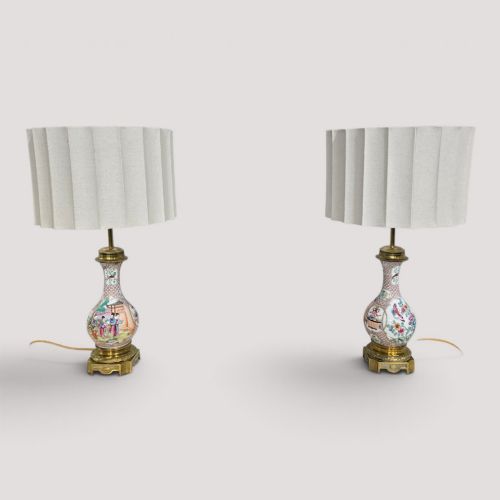
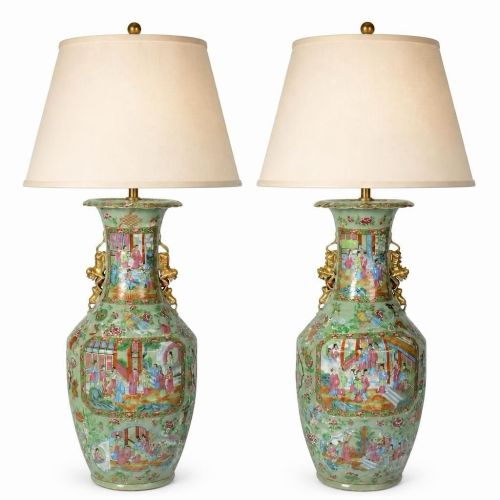
A canton ceramic table lamp brings rich nineteenth-century porcelain into modern interiors with vibrant hand-painted enamels and striking ormolu mounts.
Canton Ceramic Table Lamp
A canton ceramic table lamp transforms nineteenth-century Chinese export porcelain and decorative vases into functional lighting. These pieces merge traditional Qing Dynasty craftsmanship with later nineteenth-century conversion into lamps.
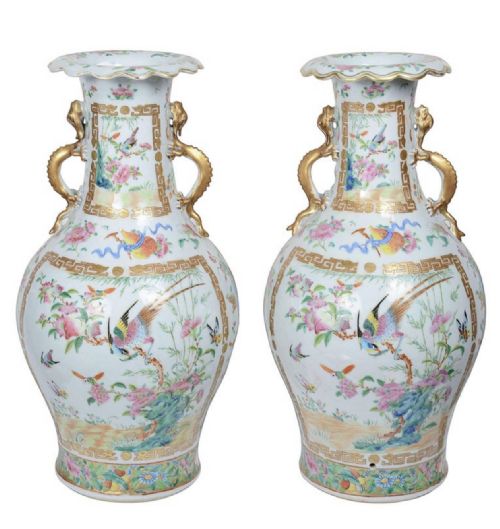
The most common forms on this page include pairs of Rose Medallion vases mounted with brass, gilt bronze, or ormolu. They showcase intricate figure scenes and floral motifs characteristic of Cantonese workshops.
Originating from the nineteenth century, these items span periods from eighteen-seventy through the early nineteen-twenties. Buyers encounter both single lamp bodies and balanced pairs adapted for modern wiring.
Materials and construction
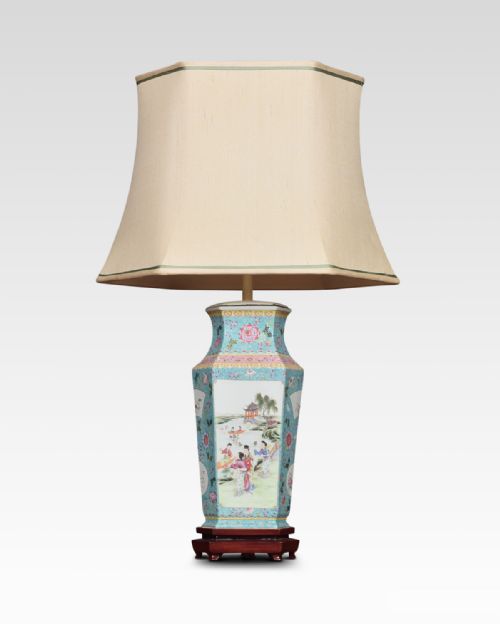
These lamps rely on hard-paste porcelain painted with polychrome enamel palettes, predominantly featuring famille rose designs. Artisans applied vibrant pinks, greens, and gilding directly onto the fired ceramic body.
Mounts and hardware utilise brass, gilt bronze, and ormolu to secure and elevate the porcelain vases. Silk and fabric shades frequently complete the composition, paired with wooden bases.
Canton Ceramic Table Lamp Retail Price Guide 2026
Typical asking prices for canton ceramic table lamp among the pieces listed under this phrase on Sellingantiques today, from the lower quarter to the upper quarter. They describe what is for sale here now, not the wider market.
Nineteenth-century artisans painted tiny birds so small on these vases that they require a magnifying glass to appreciate.
Distinctions in quality
Quality rests in the precision of the hand-painted enamel work and the crispness of the porcelain moulding. Finer examples display meticulous detail in figures, birds, and floral panels without blurring or fading.
The integration of ormolu or gilt bronze mounts also dictates the grade of the piece. Superior mountings fit the porcelain contours seamlessly, while heavier nineteenth-century porcelain bodies provide greater stability and presence.
The Canton Ceramic Table Lamp Glossary
- Rose Medallion
- A distinct style of Canton porcelain featuring panels of figures alternating with birds, flowers, and butterflies. This palette is dominated by rich rose pink enamel and gold gilding.
- Famille Rose
- A major palette of Chinese ceramic enamels introduced in the Qing Dynasty, named for its predominant pink colour. It allowed for nuanced shading and complex pictorial scenes.
- Ormolu
- Finely ground high-carat gold applied to a bronze base, often used for mounts on nineteenth-century lamps. This technique gives metallic elements a warm, durable finish.
- Chinese Export
- Porcelain and decorative objects manufactured in China specifically for Western markets. These items blended traditional Eastern techniques with European functional forms.
- Chinoiserie
- A European decorative style reflecting Chinese artistic influences. It appears in British and continental interpretations of eastern motifs during the nineteenth century.
Canton Ceramic Table Lamp: Frequently Asked Questions
Are these lamps converted antique vases?
Many examples on this page began life as nineteenth-century decorative vases before being adapted into table lamps. This conversion process often incorporates brass or ormolu fittings to secure electrical components while preserving the ceramic body.
Buyers frequently find these pieces wired for contemporary use while retaining their original hand-painted nineteenth-century character.
How do I identify Rose Medallion porcelain?
Rose Medallion porcelain is recognisable by its compartmentalised design layout, typically featuring alternating panels of human figures and flora. The dominant colour palette relies heavily on rose pink enamel alongside abundant gilt detailing.
This specific decorative style was produced in Canton primarily for export during the nineteenth century.
What periods do these lamps date from?
The pieces listed span the nineteenth century, with specific examples originating around eighteen-seventy, eighteen-ninety, and nineteen hundred. A smaller group extends into the nineteen-twenties.
These dates reflect both the era of the porcelain manufacture and subsequent nineteenth-century mounting styles.
How should I clean a ceramic lamp base?
Maintenance requires gentle dusting with a soft, dry cloth to protect delicate enamels and gilded surfaces. Avoid harsh chemical cleaners or abrasive materials that can damage the nineteenth-century hand-painted glaze.
Metal mounts like ormolu or brass should be cleaned sparingly with appropriate, non-liquid conservation methods.