




Caned Seat Furniture
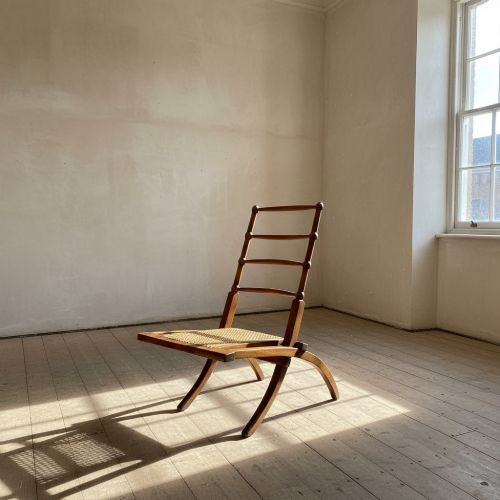
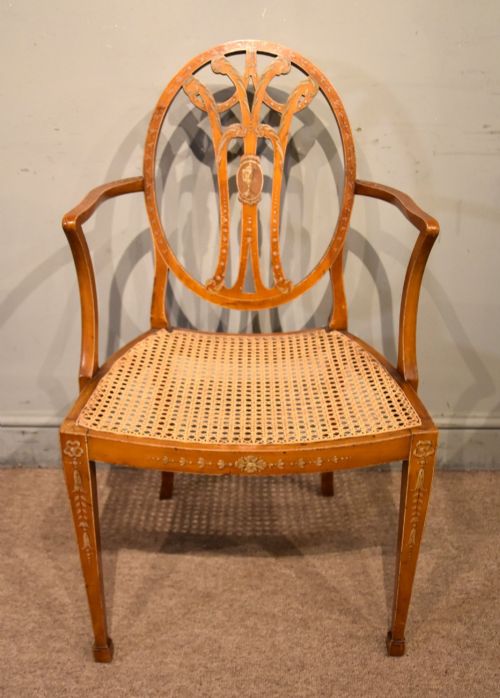
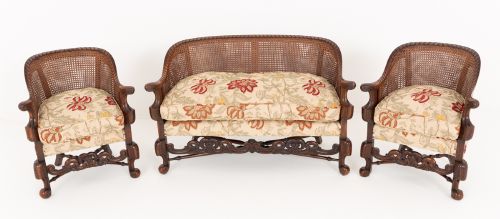
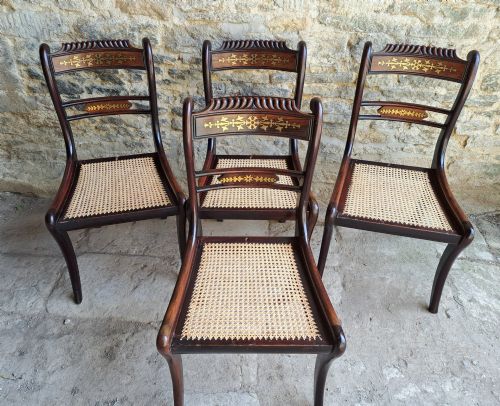
Caned seat furniture brings woven plant fibre together with solid timber frames across periods from the seventeenth century to the twentieth.
Caned Seat Furniture
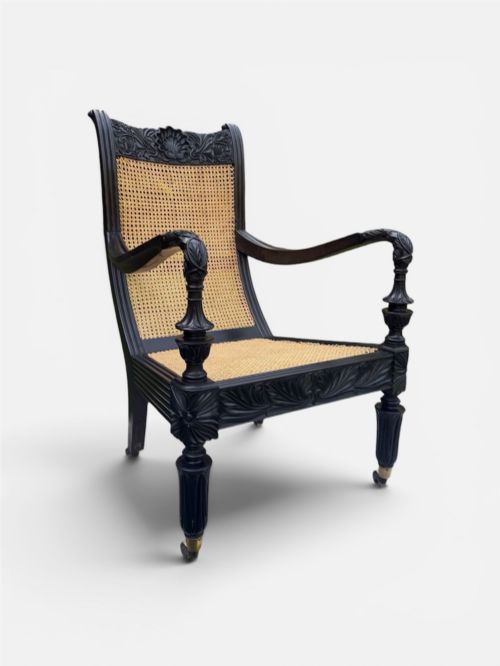
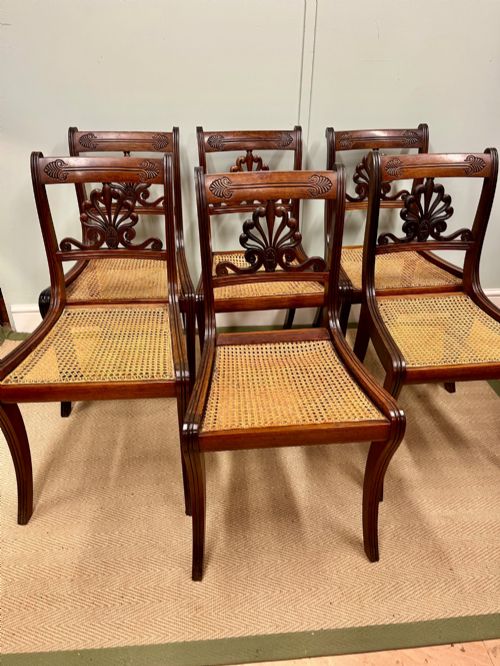
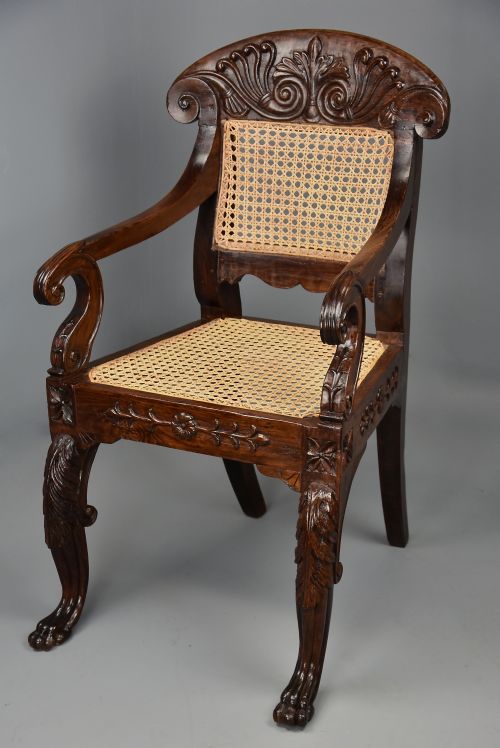
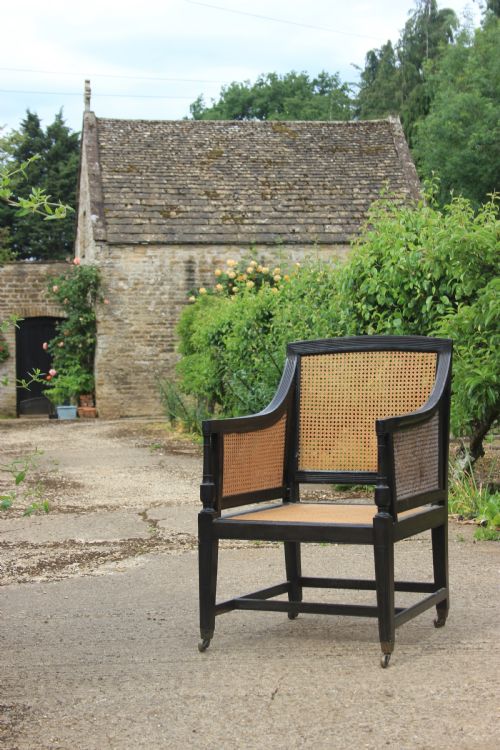
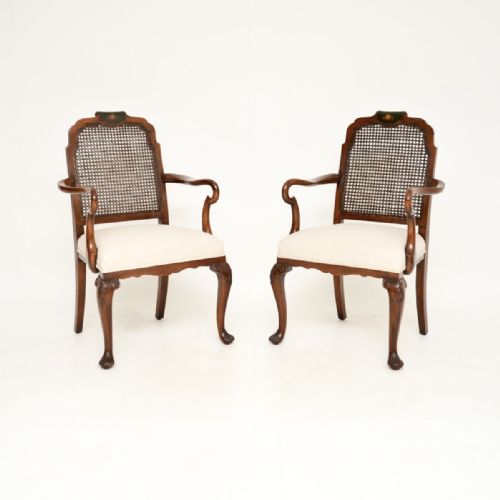
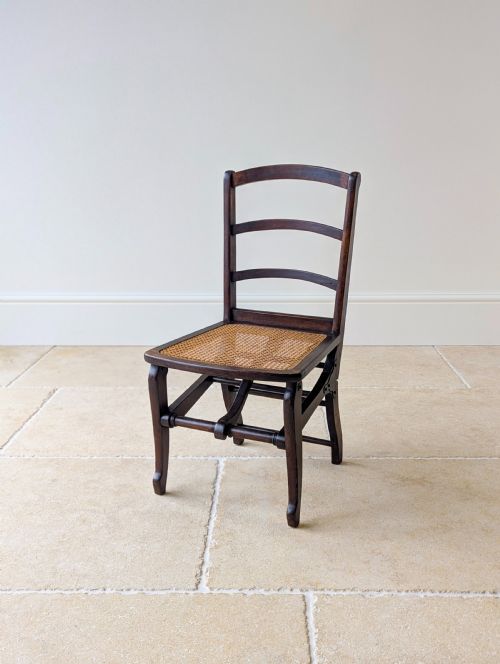
Caned seat furniture encompasses armchairs, side chairs, dining chairs, high chairs, benches, seating suites, and window seats found across multiple eras. Buyers encounter pieces spanning the Georgian, Regency, and Victorian periods, alongside Edwardian and later twentieth-century examples.
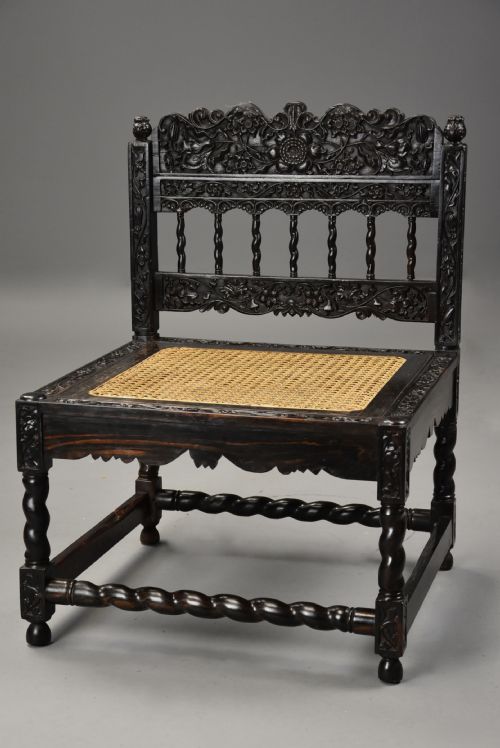
The selection includes regional and stylistic variations such as Anglo-Indian, Oriental, and French-influenced designs. Solid timbers like mahogany, ebony, rosewood, and walnut form the structural frames that support the woven seating panels.
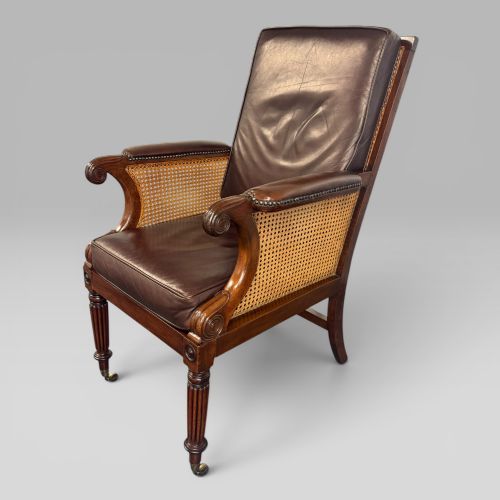
Seating formats range from library bergères and campaign chairs to children's high chairs, chaises longues, and banquettes. These items originate from workshops in Britain, France, Ceylon, and China, reflecting diverse cabinet-making traditions.
Materials and Construction
Frames rely on dense hardwoods such as mahogany, padouk, teak, beech, and ebony, shaped through turning, carving, and joinery. Brass inlay and painted surfaces sometimes augment the timber structure.
Woven cane panels utilise split rattan threaded through pre-drilled holes along the seat rails or back frames. This creates a flexible, supportive surface that balances strength with lightness.
Caned Seat Furniture Retail Price Guide 2026
Typical asking prices for caned seat furniture among the pieces listed under this phrase on Sellingantiques today, from the lower quarter to the upper quarter. They describe what is for sale here now, not the wider market.
Material and Execution
Quality depends on the density and selection of the timber, ranging from standard mahogany and beech to solid Rio rosewood and heavily carved ebony. The precision of hand-carved details and inlay work distinguishes standard items from finer productions.
The execution of the cane weaving and the structural integrity of the frame dictate the standard of the piece. Superior examples maintain tight, uniform cane work alongside robust joinery in the underlying woodwork.
E.W Godwin·Gillows
The Caned Seat Furniture Glossary
- Bergère
- An upholstered armchair with closed sides, often featuring cane panels to the back and arms. This French seating form gained popularity in Britain during the eighteenth and nineteenth centuries.
- Campaign chair
- Portable seating designed for travel, frequently incorporating folding frames or dismantling components. These pieces utilise durable timbers and brass hardware for field use.
- Padouk
- A heavy tropical hardwood valued for its reddish-brown colour and stability. Makers in the Anglo-Indian tradition frequently employed this timber for carved seating.
- Banquette
- An upholstered or caned bench or long seat without a high back. French and English cabinet makers produced these forms for hallways and window recesses.
Caned Seat Furniture: Frequently Asked Questions
What is a bergere chair?
A bergere chair is an enclosed armchair featuring cane work integrated into the wooden frame. These seats provide a supportive back and sides while maintaining a lighter visual weight than fully upholstered furniture.
Cabinet makers produced these forms in mahogany, walnut, and exotic hardwoods across the Georgian and Victorian eras. They often served in libraries and drawing rooms.
How do I care for cane seating?
Caned panels require moderate humidity to prevent the rattan fibres from becoming brittle and snapping. Avoid placing these items near direct heat sources or in overly dry environments.
Cleaning involves dusting the weave gently with a soft brush. Periodically dampening the underside of the cane with a sponge helps maintain flexibility.
Where were Anglo Indian chairs made?
Anglo Indian chairs were produced in workshops across the Indian subcontinent and Ceylon for both local use and export to Britain. These pieces combine British furniture forms with intricate local carving traditions.
Craftsmen utilised dense native timbers such as ebony, padouk, and rosewood. The results include heavily carved armchairs and reclining plantation chairs.
How to date caned furniture?
Dating relies on examining the timber species, the style of the frame, and the method of cane insertion. Georgian and Regency pieces typically show different turning profiles and carving motifs compared to Victorian or Edwardian examples.
Hand-drilled holes for the cane work and tool marks on the frame timbers offer further clues to the period of manufacture. Comparing these elements with documented regional styles confirms the era.