





Caned Lounging Chair
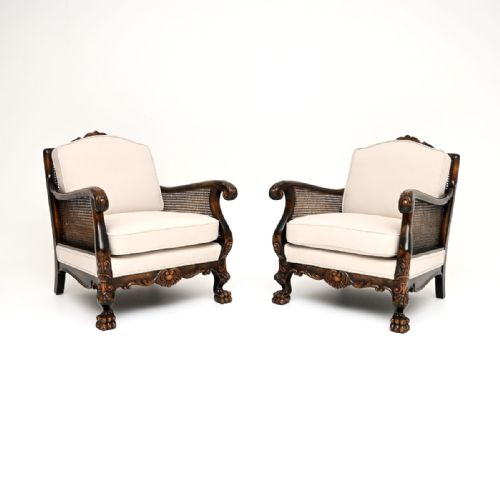
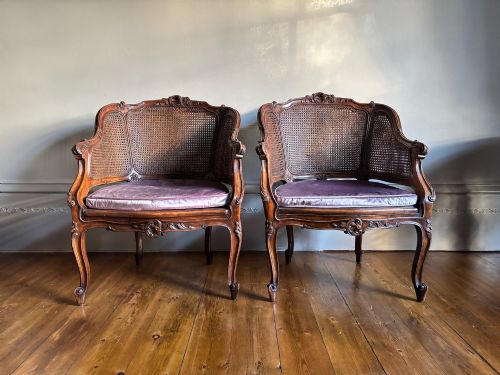
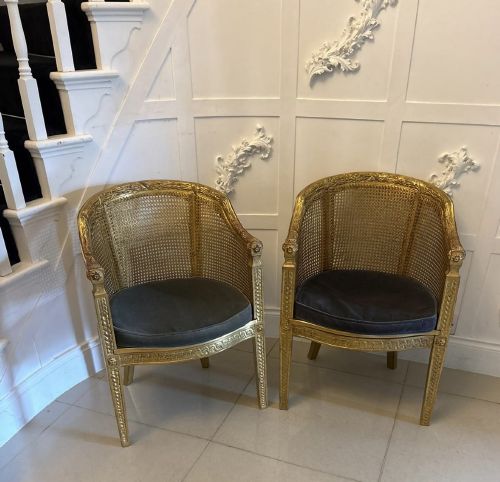
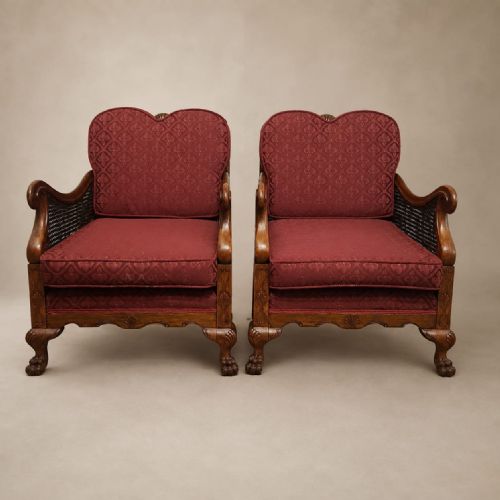
A caned lounging chair offers deep, relaxed seating built with woven panels, combining historical elegance with immediate physical comfort.
Caned Lounging Chair
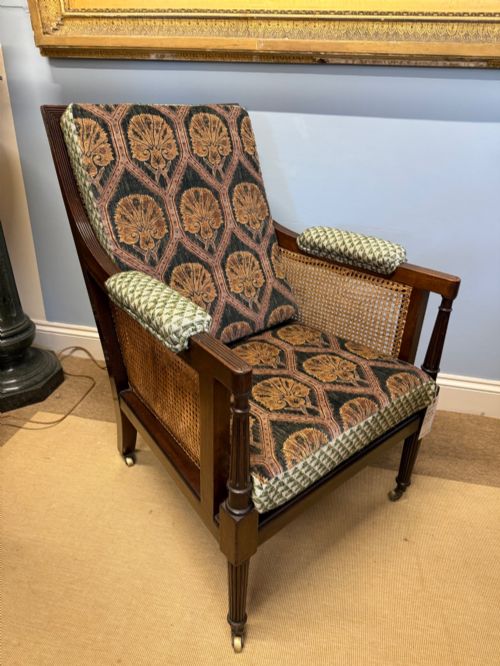
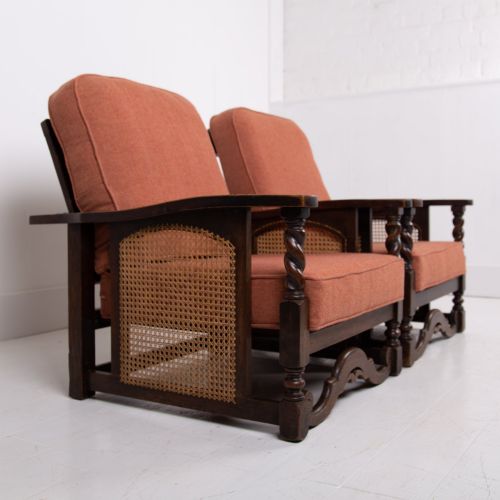
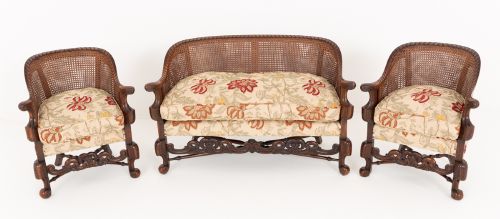
A caned lounging chair encompasses a wide range of relaxed seating forms designed for resting, reading, and reclining throughout the nineteenth and early twentieth centuries. These pieces appear in styles spanning Regency, Victorian, Edwardian, and Art Deco periods, incorporating global influences such as Anglo-Indian and colonial designs alongside European revival forms.
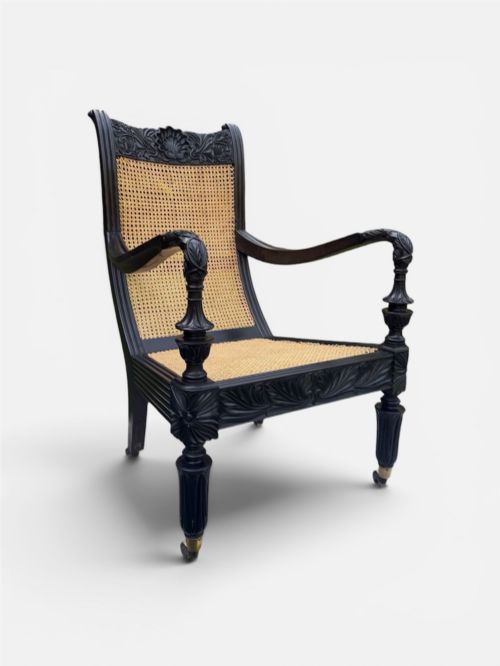
The selection on this page centres heavily upon bergeère armchairs, plantation chairs, and daybeds framed in mahogany, walnut, oak, teak, and giltwood. Buyers will frequently encounter French Louis XV and Louis XVI style frames alongside English oak and mahogany lounging seats fitted with supportive cane work.
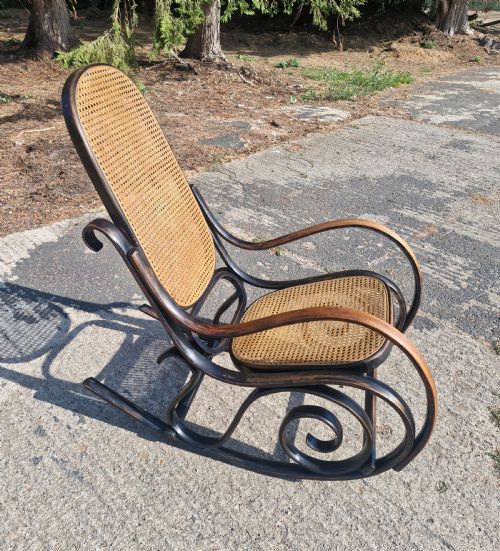
Formats range from solid ebony and rosewood campaign lounging chairs to bentwood rockers and sun-bleached lounge chairs. Many examples include fitted cushions upholstered in velvet, fabric, or new materials to balance the rigid support of the woven panels.
Materials and construction methods
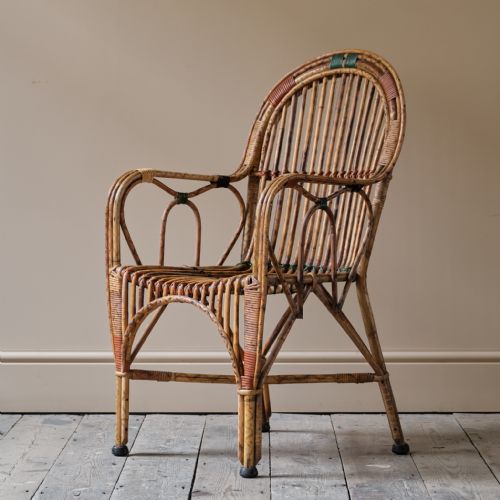
The defining feature is the use of cane and rattan, woven into open panels for seats, backs, and sometimes sides to provide flexible support. Artisans combined these woven organic materials with upholstered cushions in fabric and velvet for added comfort.
Caned Lounging Chair Retail Price Guide 2026
Typical asking prices for caned lounging chair among the pieces listed under this phrase on Sellingantiques today, from the lower quarter to the upper quarter. They describe what is for sale here now, not the wider market.
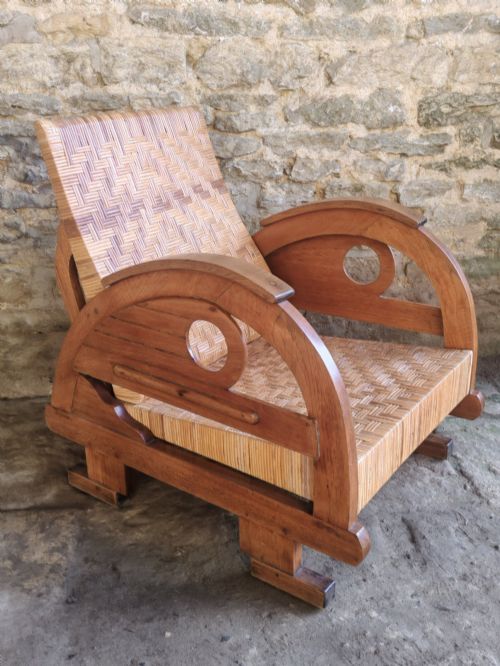
Some nineteenth-century plantation chairs include concealed pull-out footrests for absolute reclining luxury.
Separating top-tier examples from standard pieces
Quality rests upon the tightness and regularity of the hand-woven cane work, as well as the structural integrity of the hardwood frame. Dense timbers such as mahogany, walnut, and rosewood sustain finer joinery and more resilient carved details than softer woods.
Provenance and stylistic purity distinguish exceptional pieces, particularly when makers apply authentic period details like gilded gesso, bobbin turnings, or specialised colonial reclining mechanisms. The retention of original woven panels without modern replacement adds considerable weight to a piece's integrity.
The Caned Lounging Chair Glossary
- Cane
- Strips of rattan or similar plant material woven into open patterns for chair seats and backs. It provides flexible, breathable support.
- Plantation chair
- A nineteenth-century colonial lounger featuring extended adjustable arms designed for resting legs. These pieces originate frequently from Anglo-Indian workshops.
- Giltwood
- Timber coated with a thin layer of gold leaf or powder. This finish appears primarily on decorative French salon armchairs.
- Bentwood
- Wood steamed and bent into curved shapes, notably utilised in rocking chairs and nineteenth-century seating. This technique creates strong, light frames without heavy joinery.
Caned Lounging Chair: Frequently Asked Questions
What is a bergere armchair?
A bergère is a closed armchair with solid upholstered or caned sides, designed for formal relaxation in nineteenth and early twentieth-century interiors. These seats feature generous proportions and low profiles.
They combine wooden frames in mahogany, walnut, or painted finishes with woven cane panels and loose seat cushions.
Are these chairs comfortable for daily use?
Yes, caned lounging chairs provide ergonomic support by combining springy woven rattan with fitted fabric or velvet cushions. Their slanted backs and wide armrests invite extended sitting.
Adding modern or period-appropriate cushions ensures these historic seats suit contemporary living spaces.
How do I care for antique cane?
Antique cane requires gentle cleaning with a damp cloth and occasional light conditioning to prevent the natural fibres from drying out and snapping. Avoid placing these chairs near direct heat sources.
Keeping the woven panels clean and flexible preserves their strength across decades of use.