
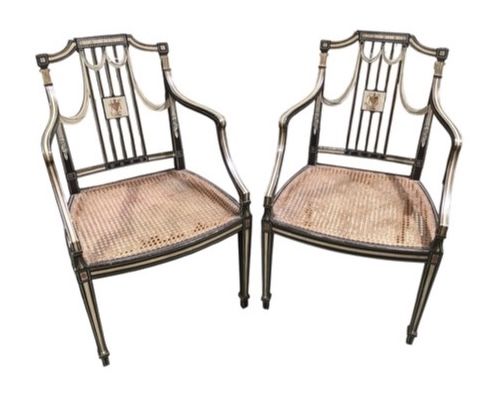


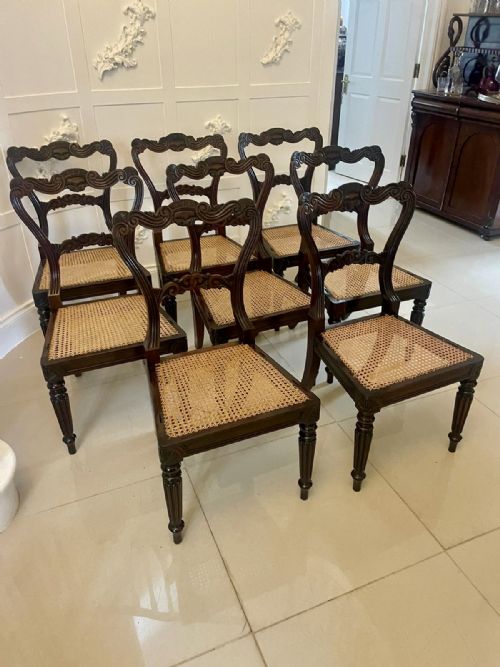
Caned Back Side Chair
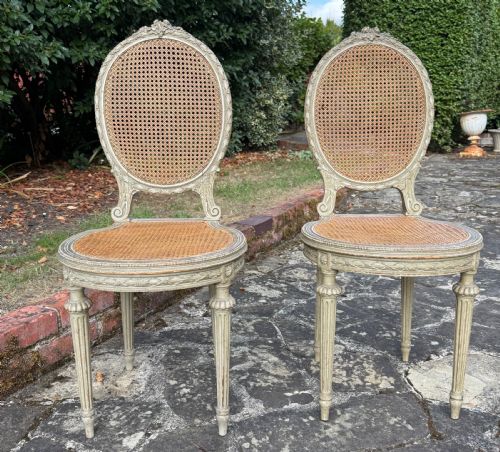
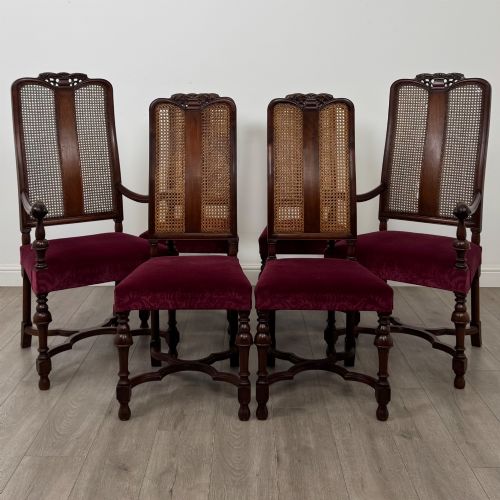
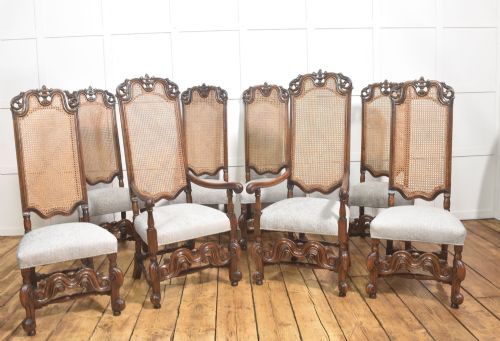
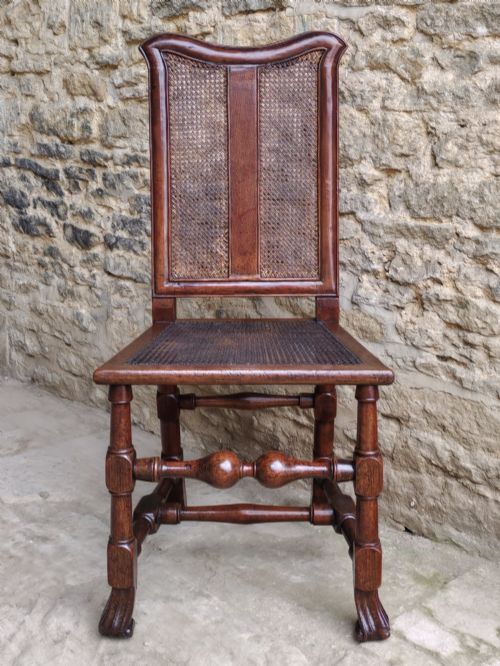
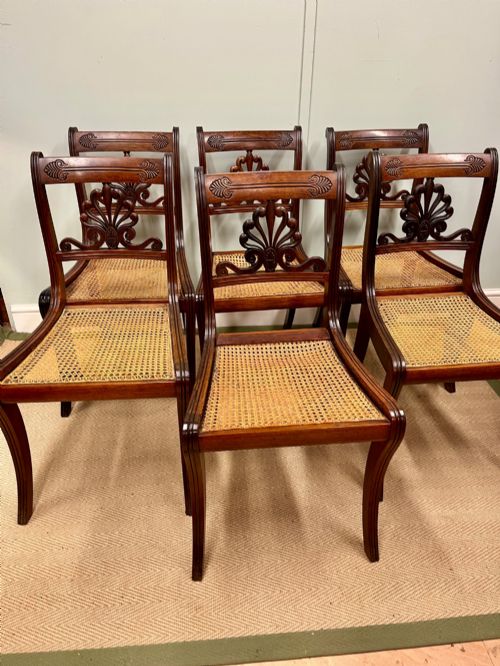
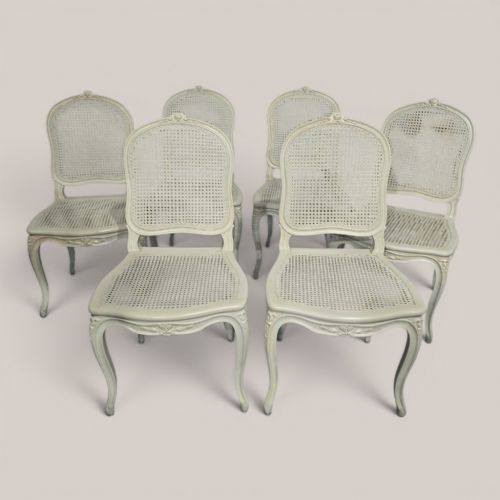
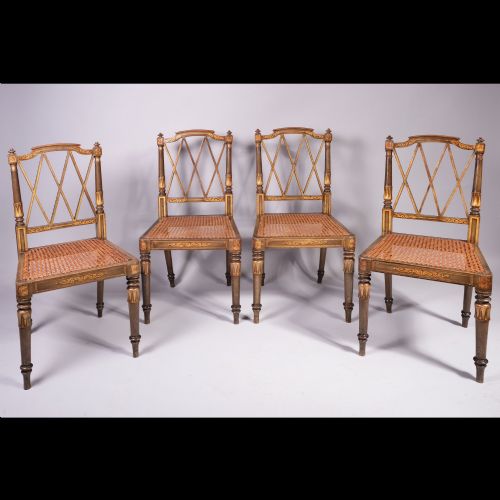
A caned back side chair brings woven texture and timber warmth to a room, drawing on centuries of seating design from the Regency period to the Edwardian era.
Caned Back Side Chair
A caned back side chair appears across multiple centuries, originating in formal dining sets, library seating, and bedroom furniture. The selections on this page span the 17th century through the early 20th century, encompassing revival movements such as Jacobean, Carolean, and William and Mary styles alongside Regency designs.
Buyers encounter single chairs, pairs, and full sets intended for dining tables or occasional placement. These pieces function as both practical seating and decorative elements, maintaining slender profiles that suit smaller spaces as well as principal rooms.
The materials reflect the prevailing preferences of each era, shifting from early oak and walnut to mahogany, rosewood, and painted finishes during the Regency and Victorian periods.
Distinctions in Quality
Quality rests upon the crispness of the timber carving, the choice of dense hardwoods like rosewood or well-figured mahogany, and the tightness of the cane weaving. Superior examples display proportional harmony between the open backrest and the sturdy legs.
The integrity of the original frame construction dictates longevity, where tight joinery and minimal structural alterations separate standard commercial production from workshops of higher repute.
Some Victorian campaign chairs allowed travellers to fold their seating flat before loading it onto a horse.
Waring & Gillow·Gillows
The Caned Back Side Chair Glossary
- Cane
- Material woven from strips of rattan used to form resilient panels in chair backs and seats. It provides a lightweight yet durable structural surface.
- Side chair
- A chair without arms, designed primarily for dining or placement against a wall. These forms constitute a significant portion of historic seating.
- Regency
- A British design period spanning the early 19th century, known for classical restraint and inspiration from ancient Greek and Roman furniture. Pieces from this era often utilise mahogany, rosewood, or ebonised timber.
- Carolean
- A 17th-century style associated with the reign of Charles II, characterised by ornate carved scrolls and crown motifs. Revival versions of this aesthetic appeared in later Victorian production.
- Bergère
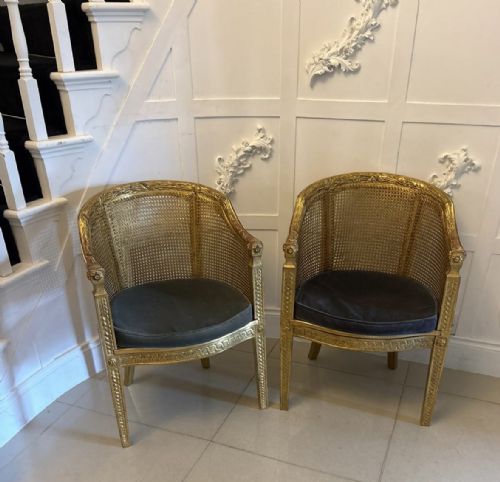
- An enclosed upholstered armchair with wooden frames, frequently incorporating cane panels on the sides and back. This French form dates back to the 18th century.
Caned Back Side Chair: Frequently Asked Questions
How do I identify a Regency caned chair?
Regency examples typically exhibit classical restraint, clean lines, and dark timbers such as mahogany or rosewood. They often incorporate sabre legs or delicate top rails inspired by ancient forms.
Details like ebonised finishes and gilt highlights further distinguish this period from heavier oak or walnut designs of earlier centuries.
Where should I place a side chair?
Side chairs function effectively around a dining table, where their slender frames allow multiple seats to fit comfortably. They also serve as occasional seating in hallways, bedrooms, or living spaces.
Because these pieces lack arms, they occupy minimal floor space and tuck easily against walls when not in use.
What is the difference between a side chair and an armchair?
Side chairs are built without armrests, designed originally for dining and compact placement. Armchairs include supporting arms for enhanced comfort during longer periods of sitting.
Within this selection, side chairs predominate in dining sets, while armchairs appear as library chairs, bergères, or reclining campaign pieces.
How do I care for antique cane?
Antique cane requires gentle cleaning with a soft, dry brush to remove dust from the woven interstices. Avoid excessive moisture, which can cause the natural rattan fibres to become brittle.
Maintaining moderate humidity in the room prevents the cane from drying out and snapping under tension.