

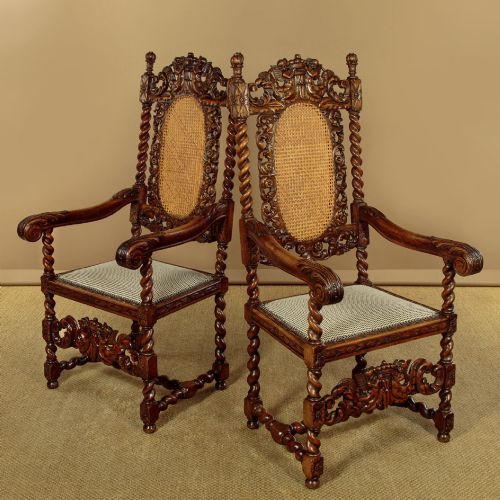


Cane Seat High Chairs
These cane seat high chairs span centuries of nursery seating, offering sturdy wooden frames woven with crisp natural mesh for domestic use.
Cane Seat High Chairs
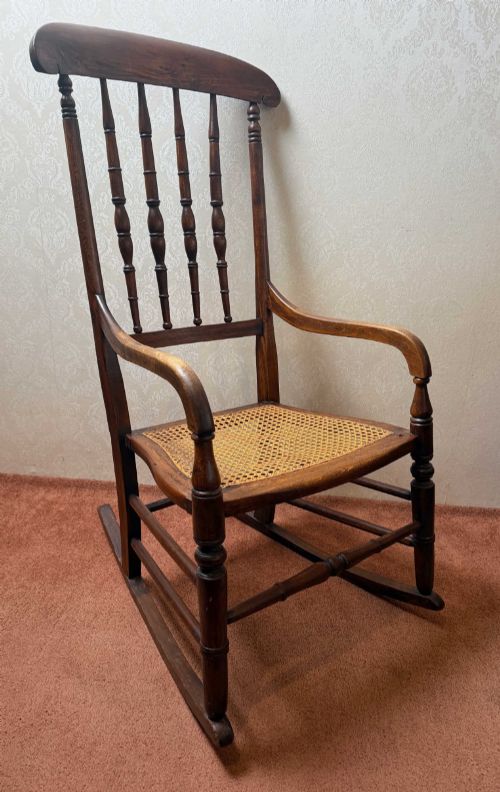
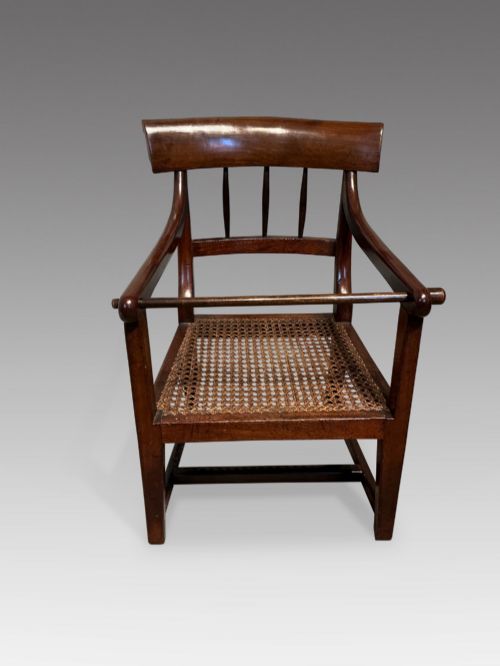
When you search for cane seat high chairs, you encounter domestic furniture designed specifically for young children during past centuries. These elevated seats keep infants at table height while offering the breathable comfort of woven panels.
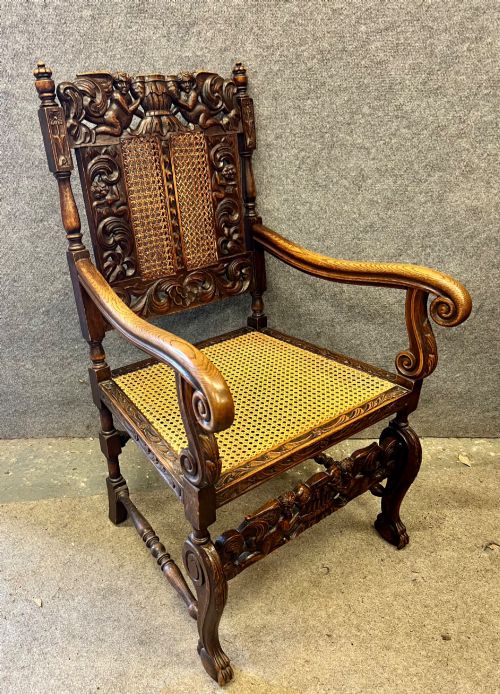
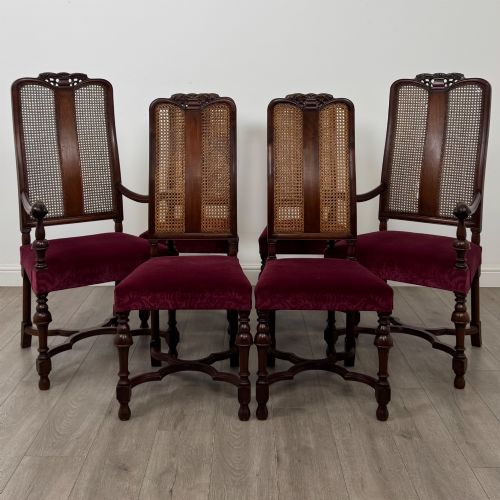
The versions most commonly met on this page date from the Victorian period up to the early twentieth century. They adopt revival styles including Jacobean, Carolean, and William & Mary inspirations, reflecting older eras through turned wooden supports and high backs.
Makers built these pieces using durable domestic hardwoods and constructed them as miniature thrones or functional dining seats. Their forms range from simple wooden frames to elaborate carved walnut and oak structures.
Materials and construction methods
Makers relied primarily on sturdy timbers such as oak, walnut, mahogany, beech, and assorted woods to build the structural frames. These materials provided the necessary rigidity for elevated child seating.
The seating panels utilise cane and rattan, woven tightly through holes drilled in the wooden frames to create a resilient support. Woodturning techniques produced decorative spindle legs, stretchers, and upright posts characteristic of revival aesthetics.
Cane Seat High Chairs Retail Price Guide 2026
Typical asking prices for cane seat high chairs among the pieces listed under this phrase on Sellingantiques today, from the lower quarter to the upper quarter. They describe what is for sale here now, not the wider market.
Current listings feature cane seat high chairs spanning the Victorian era, nineteenth century, and early twentieth century in oak, walnut, and mahogany.
Assessing quality in the seating
The distinction between tiers rests upon the depth of hand-carving and the choice of primary timber. Dense hardwoods like walnut and oak with crisp, intricate ornamentation signal superior workshop output compared to simpler beech or softwood constructions.
The integrity and tightness of the woven cane panels define the standard of execution. Even tension across the weave and clean joinery demonstrate the maker's competence and attention to structural longevity.
Waring & Gillow·Dryad of Leicester
The Cane Seat High Chairs Glossary
- Cane
- Material made from the peeled bark of rattan palms, used for weaving breathable seat panels. It provides a flexible yet durable surface for daily use.
- Carolean
- English style dating from the reign of Charles II, characterised by rich carving, scrolling foliage, and tall upholstered or caned backs. Pieces often utilise walnut or oak.
- Jacobean Revival
- Nineteenth-century style copying seventeenth-century English furniture, known for heavy proportions, straight lines, and geometric mouldings. Oak is the dominant timber.
- Spindle back
- Chair design featuring vertical or horizontal turned wooden rods forming the backrest. This technique provides lightweight support.
- Bergere
- French upholstered armchair style often incorporating tight cane work on the back and sides. It offers a lighter aesthetic than solid wood panels.
Cane Seat High Chairs: Frequently Asked Questions
What are cane seat high chairs?
These pieces are elevated seating furniture built for children, combining solid wood frames with woven cane seats and backs. They served practical domestic purposes in historical households.
Craftsmen often styled them after adult armchairs of the seventeenth and eighteenth centuries, producing miniature thrones and dining seats.
How were high chairs used historically?
Families placed young children in these elevated seats during meal times to keep them secure and level with the dining table. The cane panels offered ventilation and easy cleaning.
Many examples functioned as portable nursery furniture, moving between family rooms as daily life required.
How do I date these high chairs?
Dating relies on examining the timber species, turning styles, and construction joinery against known revival periods. Victorian and Edwardian copies often reinterpret seventeenth-century details.
Wear patterns and the tightness of the wood grain provide further clues to the approximate decade of manufacture.
How do I care for cane seats?
Maintaining woven cane requires keeping the material hydrated with occasional damp wiping to prevent brittleness. Direct sunlight and excessive heat dry out the natural fibres.
Avoiding excessive weight distribution protects the woven strands from stretching or breaking prematurely.