




Caged Glass Light Fixture
A caged glass light fixture brings architectural presence and heavy refraction to a room, framing bulbs inside protective metal cages or glass envelopes.
Caged Glass Light Fixture
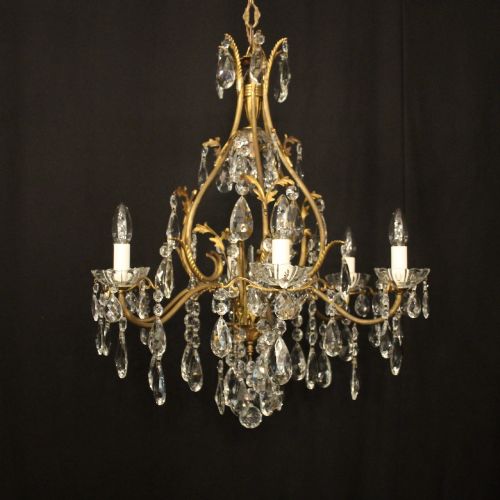
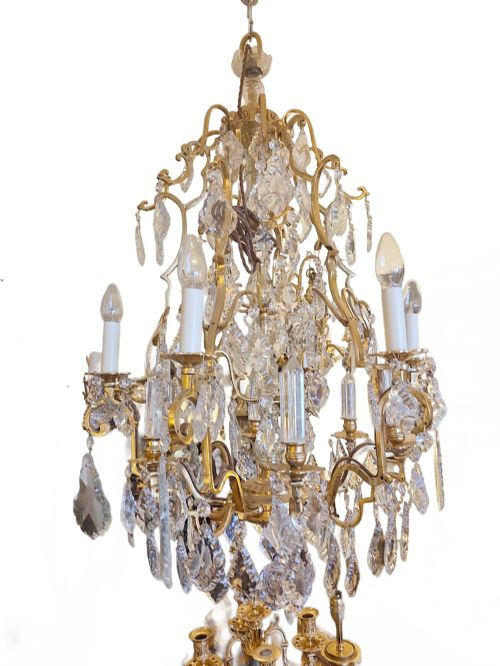
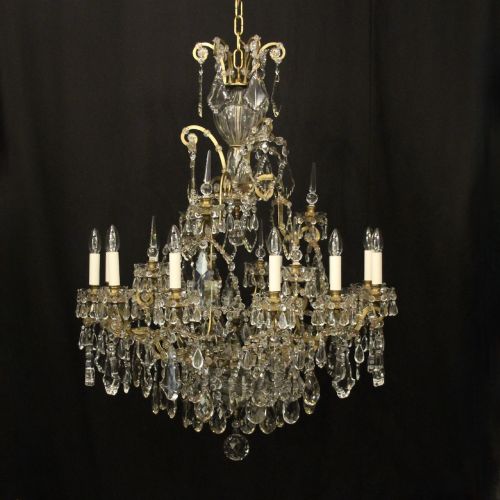
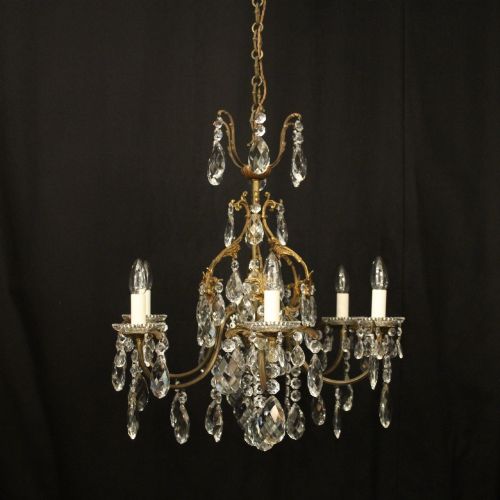
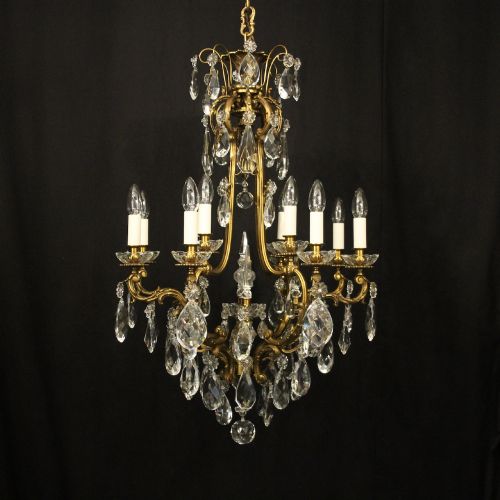
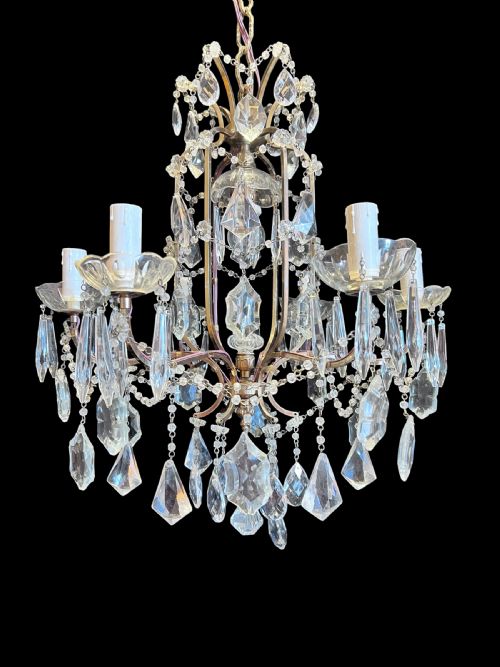
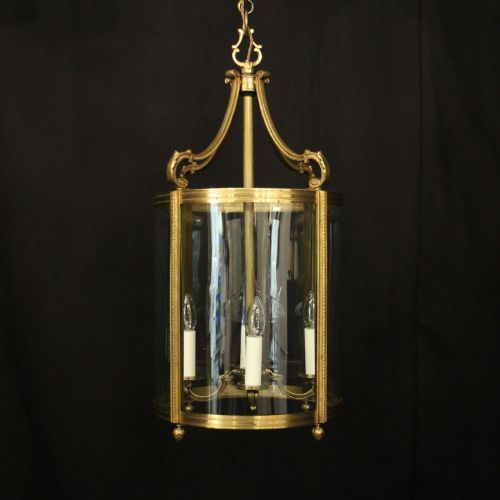
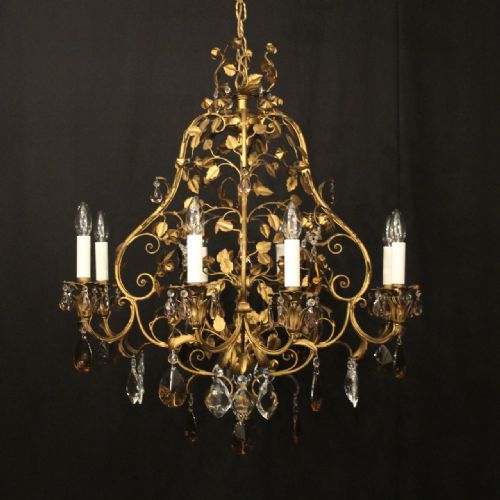
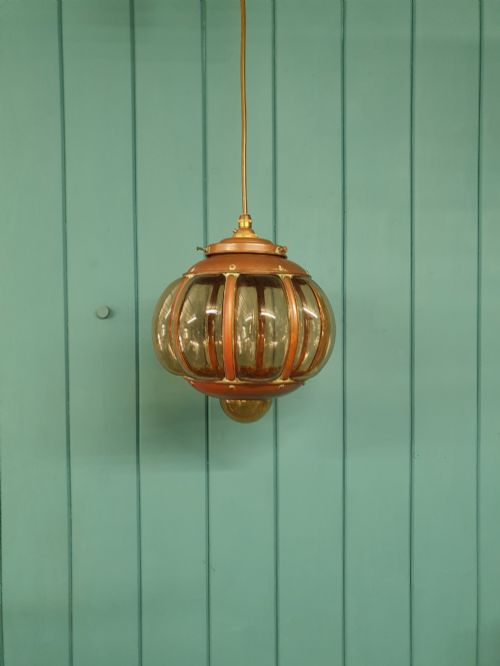
When you search for a caged glass light fixture, you encounter a heavy concentration of French and Italian lighting forms spanning the Victorian era through the 1930s. The listings on this page consist predominantly of elaborate cage chandeliers, hall lanterns, and pendant lights built from open or glass-covered metal frameworks. These pieces range from compact nautical pendants to grand multi-tiered chandeliers adorned with numerous cut-glass drops.
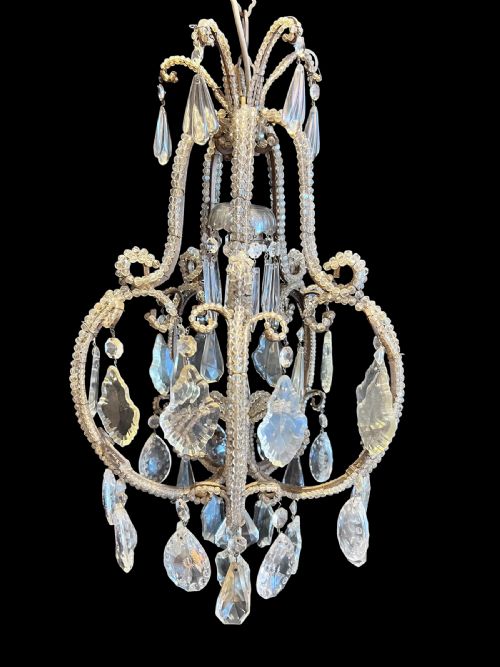
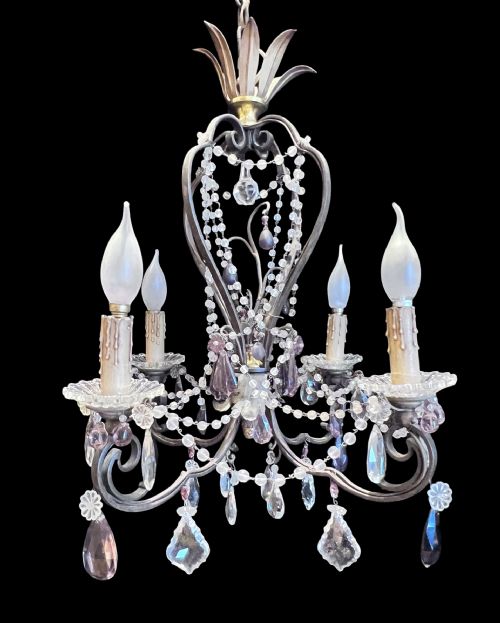
The aesthetic leans heavily toward French chateau and Florentine styles, where metal armatures enclose internal illumination. You will find dark frames, gilded bronze, brass, and toleware shaping the skeletal enclosures that house the glass components. Many examples incorporate birdcage designs, where curved metal ribs give the fixture a distinct volumetric silhouette.
Materials and construction methods
Makers constructed these fixtures using robust metal frameworks of brass, bronze, copper, and iron, often finished with a layer of gilt or silver gilding. These structural cages support intricate arrangements of cut glass, crystal, and amethyst drops that refract the light source from within. Some designs utilise enclosed glass bodies or protective copper shells originally engineered for nautical or utilitarian service.
Assembly relied on mechanical fastening of metal bands, decorative castings, and wire loops to suspend the glass prisms and fruit motifs. Metal frames were cast, forged, or soldered to create the signature open-cage or birdcage profiles before being populated with hand-cut crystal elements.
Caged Glass Light Fixture Retail Price Guide 2026
Typical asking prices for caged glass light fixture among the pieces listed under this phrase on Sellingantiques today, from the lower quarter to the upper quarter. They describe what is for sale here now, not the wider market.
Certain early twentieth-century designs incorporate delicate glass fruits suspended inside the metal framework, adding an unexpected organic touch to the illumination.
Distinctions in quality and execution
The distinction between ordinary and exceptional examples lies in the density and cut of the glass drops and the heft of the bronze or brass casting. Superior pieces demonstrate crisp chasing on the metal mounts and employ heavy cut crystal that catches light with sharp brilliance rather than dull reflection. The structural integrity of the cage framework and the harmony between the metal finish and the glass elements dictate the overall calibre.
Subtleties in the design, such as integrated coloured fruits, bespoke silver gilding, or complex multi-tier configurations, separate standard production from high-end salon lighting. The precision of the armature's geometric curves and the proportion of glass coverage define the sophistication of the piece.
La Maison Bagues
The Caged Glass Light Fixture Glossary
- Cage chandelier
- A style of lighting where a metal armature forms a skeletal frame around the internal lights, often resembling an avian cage. These frameworks are heavily draped in glass crystals and drops.
- Hall lantern
- An enclosed ceiling-hung light fixture designed for entranceways and corridors. They frequently utilise glass panes held within a brass or bronze frame.
- Gilded bronze
- A metal alloy treated with a thin layer of gold or gold leaf. This technique provides a durable, warm metallic finish common in French decorative arts.
- Cut crystal
- High-clarity glass faceted by grinding and polishing to maximise light refraction. It forms the cascading drops suspended from antique frames.
- Toleware
- Painted or lacquered tinplate used for decorative elements on lighting fixtures. It introduces coloured surfaces into the metal framework.
Caged Glass Light Fixture: Frequently Asked Questions
What is a caged glass light fixture?
A caged glass light fixture is an overhead luminaire enclosed within a metal framework or glass shell, designed to protect the light source while diffusing illumination.
These pieces typically date from the nineteenth and early twentieth centuries, encompassing French cage chandeliers, hall lanterns, and industrial nautical pendants.
Where were these lights used?
Original placements ranged from grand French chateau reception rooms to utilitarian maritime vessels and Victorian hallways.
Grander iterations illuminated high-ceilinged saloons, whilst smaller lanterns and pendants served transitional spaces requiring robust, directional lighting.
How do I hang a heavy antique fixture?
Hanging requires professional assessment of ceiling joists and the installation of a weight-bearing hook independent of the electrical junction box.
Due to the substantial weight of cast bronze frames and dense crystal drops, structural ceiling support is essential for safety.
How can I date an antique chandelier?
Dating relies on examining the metal casting techniques, the cut and composition of the glass drops, and the wiring infrastructure.
Victorian and Edwardian pieces often display hand-finished brass or bronze components alongside distinct prism shapes characteristic of their production era.