
Cabriole Leg Wingback Chair
A cabriole leg wingback chair offers deep-seated comfort paired with scrolling supports, providing draught-excluding side wings and sturdy seating.
Cabriole Leg Wingback Chair
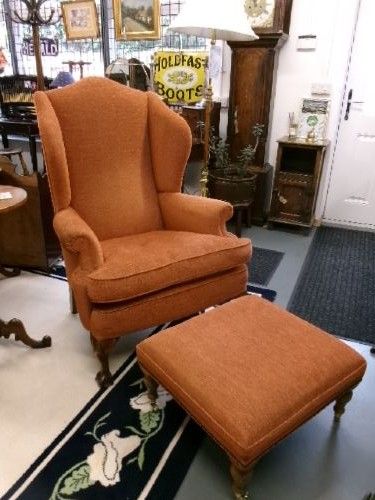
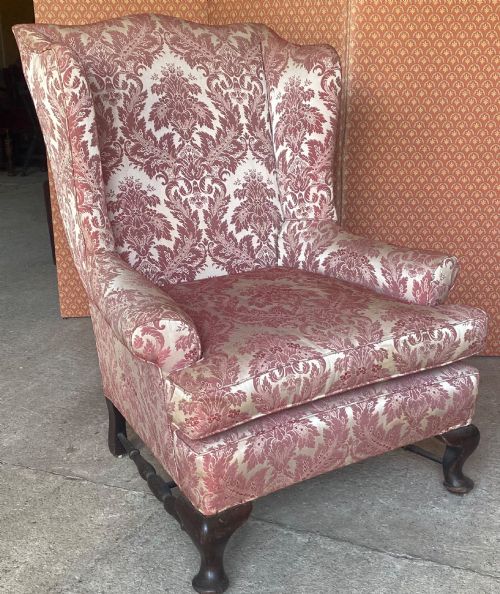
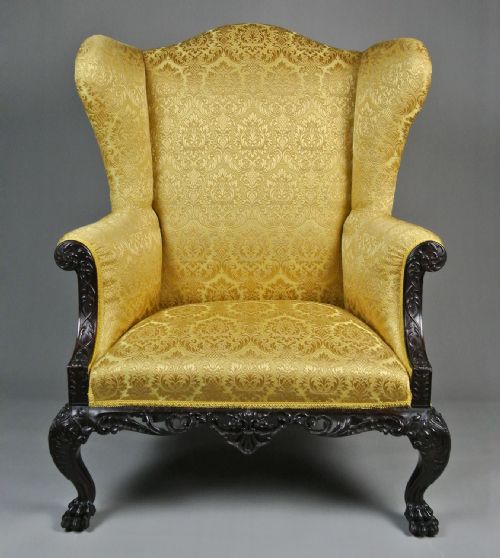
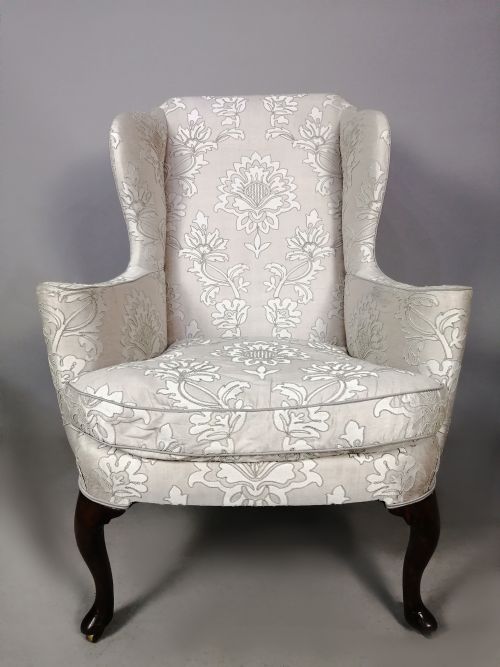
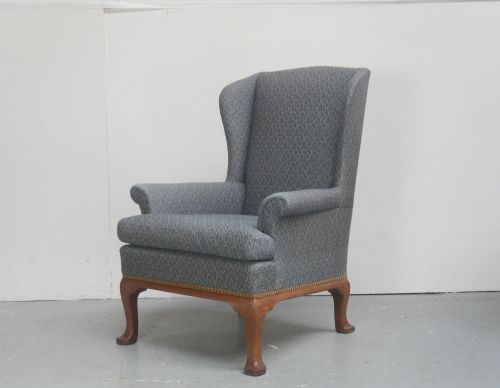
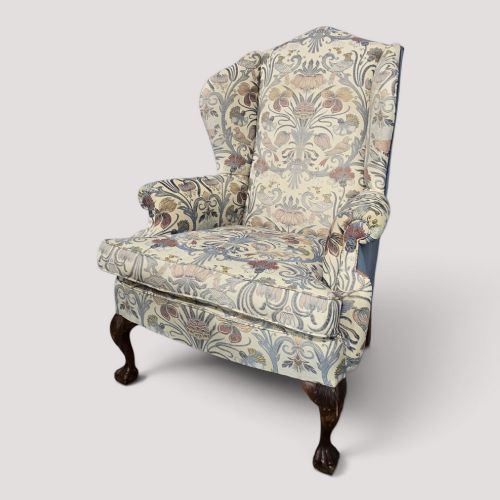
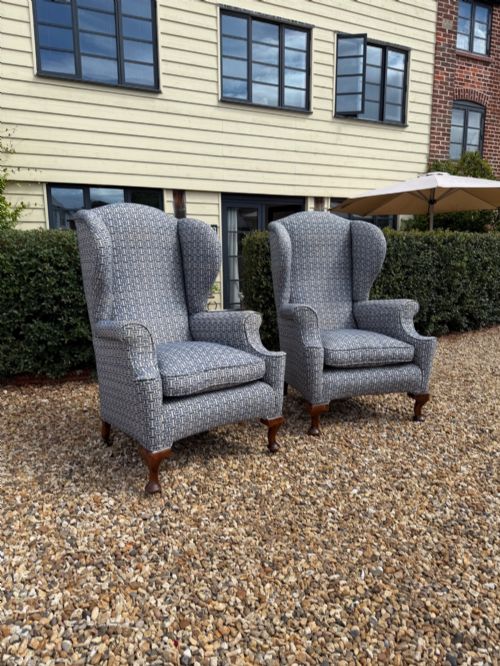
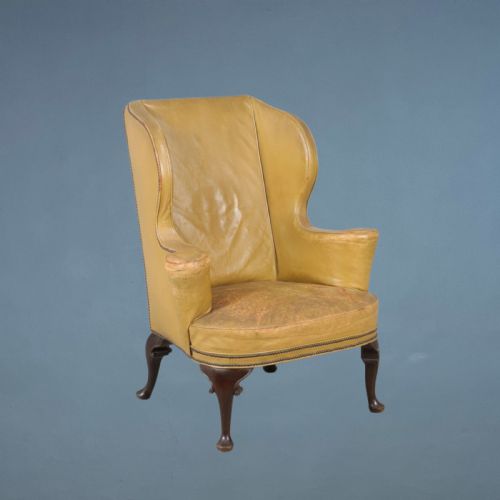
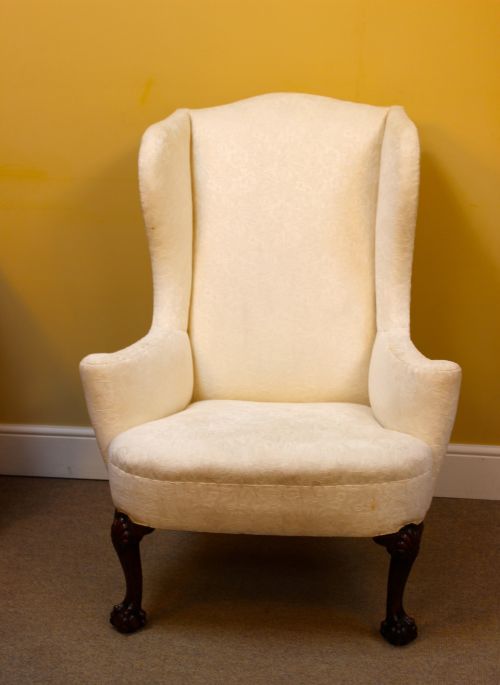
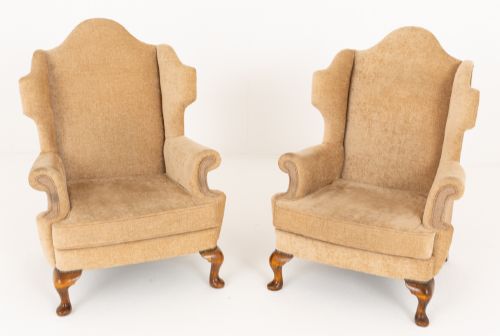
A cabriole leg wingback chair is an upholstered seating form defined by high protective side panels and outward-curving legs terminating in pad or claw feet. These traditional armchairs combine structural timber frames with generous padding designed to shield the sitter from cold draughts.
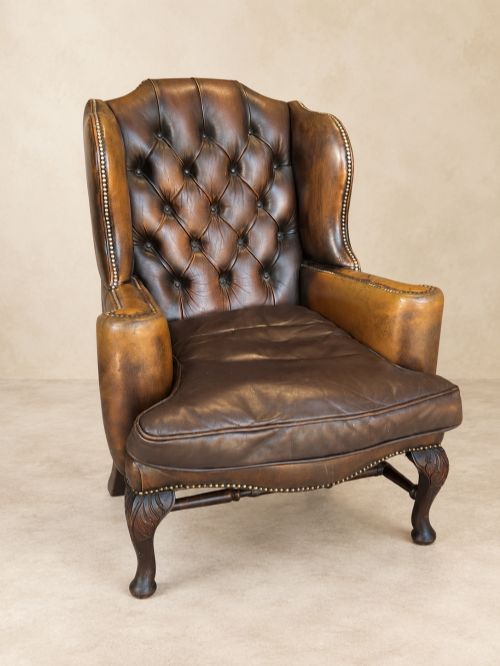
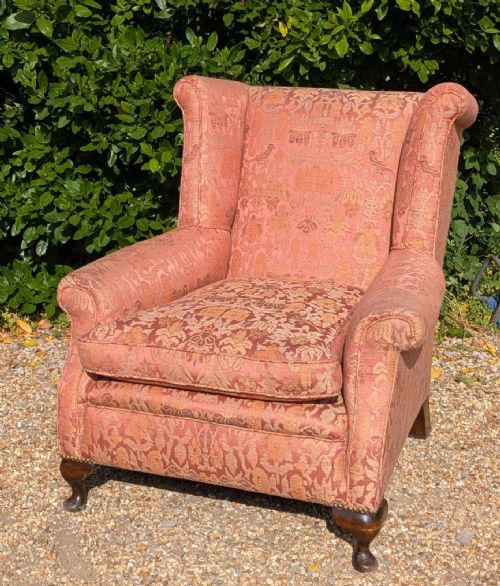
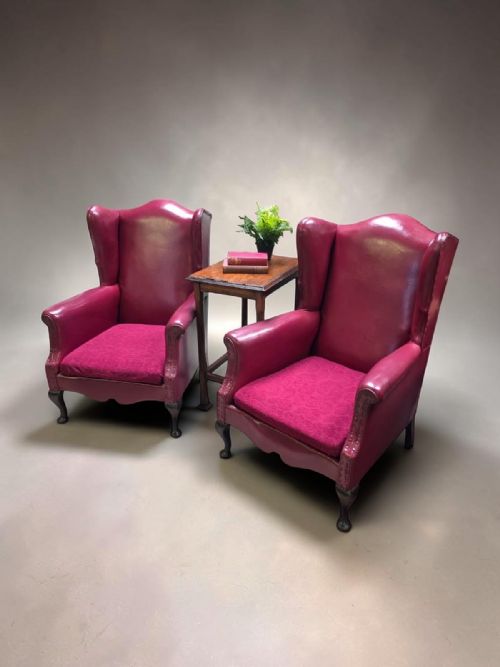
The selections span genuine 18th-century pieces alongside later revival interpretations from the Victorian, Edwardian and 1930s periods. Walnut and mahogany frame constructions dominate, frequently paired with traditional leather or textile upholstery.
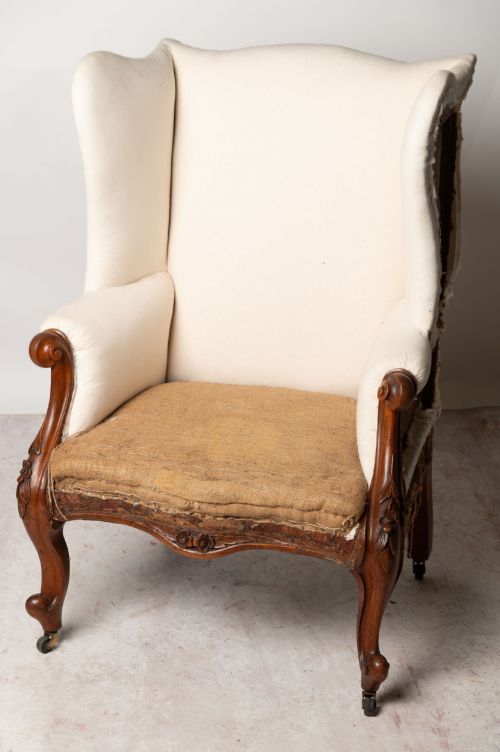
Buyers frequently encounter examples created in the Georgian style or Queen Anne manner, ranging from standard proportions to generous high-back formats. Certain pieces arrive stripped back to calico, offering the next owner a blank canvas for custom covering.
Distinguishing quality across examples
The merit of a cabriole leg wingback chair rests in the crispness of the timber carving on the leg and the structural integrity of the frame joints. Superior pieces exhibit well-proportioned wings that flow harmoniously into the armrests without awkward angles.
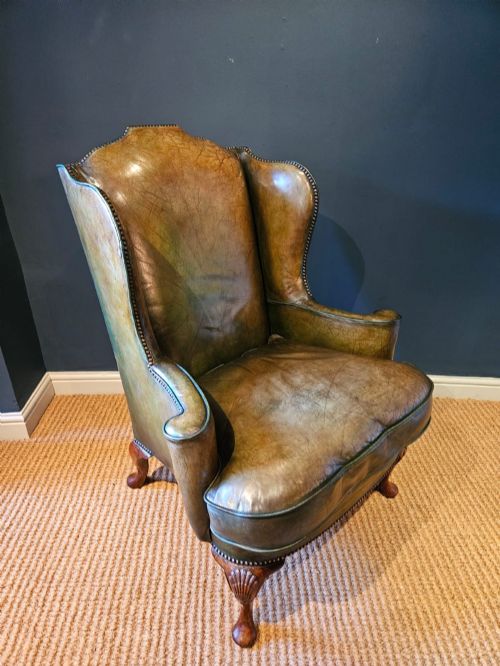
Subtleties in the timber grain, the handling of the pad or carved foot, and the depth of the initial frame construction separate standard revival pieces from finer 18th-century seating. The quality of the leather patination or the precision of the hand-stitched upholstery edges further define the upper tier.
Some chairs arrived with wings specifically shaped to catch every last flicker of fireplace warmth while blocking pesky hallway draughts.
Whytock & Reid·John Reid & Sons
The Cabriole Leg Wingback Chair Glossary
- Cabriole leg
- A furniture leg that curves outward at the knee and tapers inward to an ankle, finishing in a pad or foot. This form mimics animal limbs and appears widely on 18th-century seating.
- Wingback
- An armchair featuring protective side panels attached to the armrests, originally designed to trap fireplace heat and block draughts. The wings extend upward to frame the sitter's head.
- Calico stage
- An intermediate state where an armchair is upholstered in plain cotton fabric without outer decorative cloth, ready for final covering. This allows buyers to select their own upholstery.
- Bergere
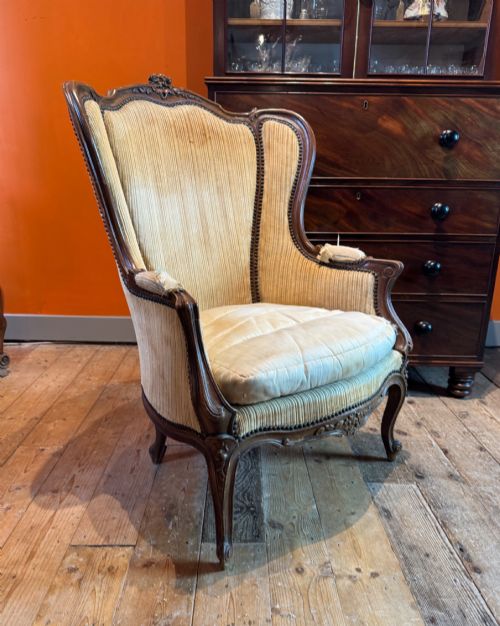
- An enclosed armchair with upholstered sides and a cane or padded back, often executed in French revival styles. These frames sit lower and wider than standard wing chairs.
- Patination
- The surface sheen and colour acquired by leather or wood through age, handling, and regular waxing. Authentic patination provides a deep, warm tone that modern finishing cannot replicate.
Cabriole Leg Wingback Chair: Frequently Asked Questions
How do I identify a genuine 18th-century chair?
Examine the timber species beneath the upholstery line, looking for period walnut or mahogany construction with hand-cut joinery. Tool marks and timber shrinkage offer reliable indicators of age.
Compare the proportion of the wings and the stance of the cabriole legs against documented examples from the same decade. Later revival pieces often display machine-cut elements and standardised frame dimensions.
What is the calico stage?
The calico stage means the chair has been fully rebuilt internally with new webbing and stuffing, then covered in plain cotton calico. This leaves the outer decorative fabric choice to the buyer.
It provides a solid, restored foundation while avoiding mismatched top textiles. You can commission final upholstery that matches your interior scheme.
Are leather and fabric models cleaned differently?
Leather chairs require regular feeding with appropriate wax or balm to maintain suppleness and prevent cracking on the high-wear arm panels. Avoid harsh chemical cleaners that strip the natural surface finish.
Fabric and velvet upholstery benefit from gentle professional dry cleaning or careful vacuuming using a low-suction attachment. Protect textile panels from direct sunlight to prevent fading.
How do I style a wing chair today?
Position the chair beside a fireplace, reading corner, or within a living room seating arrangement to anchor the space. Its high back creates an intentional focal point in both traditional and contemporary rooms.
Pair it with a low footstool or small side table for balance. The generous proportions work well against plain walls or complemented by patterned rugs.
Did these chairs serve a specific purpose?
Original wing chairs were created to combat draughts in large, poorly heated Georgian houses. The side wings trapped radiant heat from the hearth around the sitter's head and shoulders.
Over time, the form transitioned from a practical utility item into a symbol of relaxed comfort. Their enclosed shape remained popular across the Victorian era and later revivals.