






Cabinet of Curiosities Carving
These cabinet of curiosities carvings are tactile records of past obsessions, bringing natural history and macabre artistry directly into a room.
Cabinet of Curiosities Carving
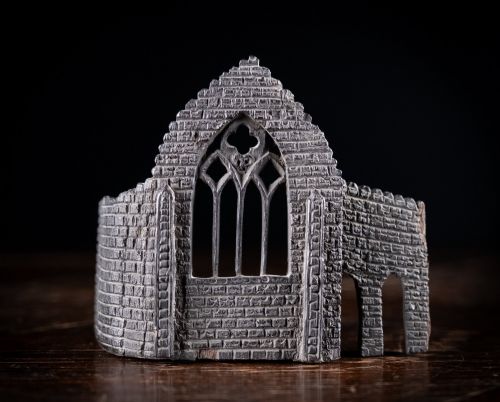
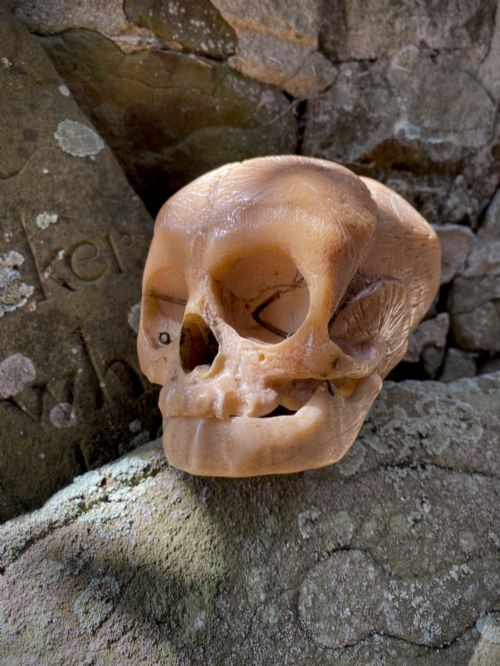
A cabinet of curiosities carving spans disparate realms, taking in memento mori skulls, anatomical models, and miniature architectural ruins. These objects originate from periods including the eighteenth century, the Victorian era, and the early twentieth century.
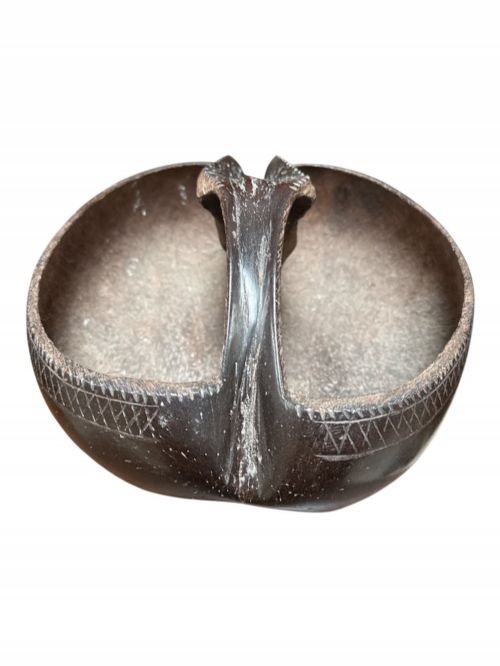
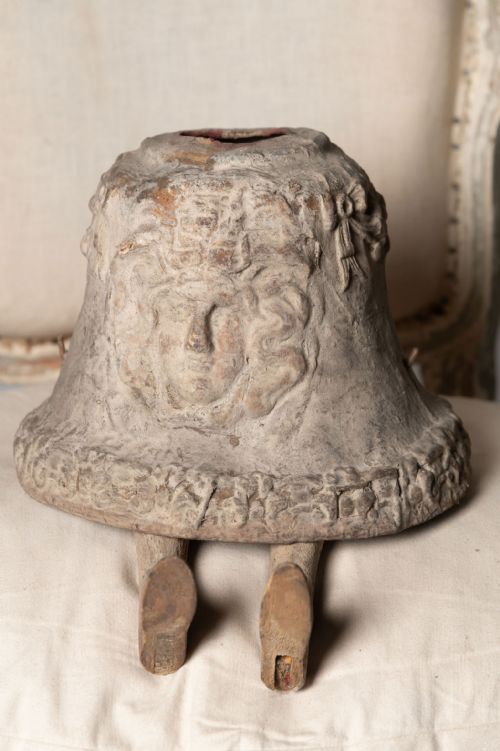
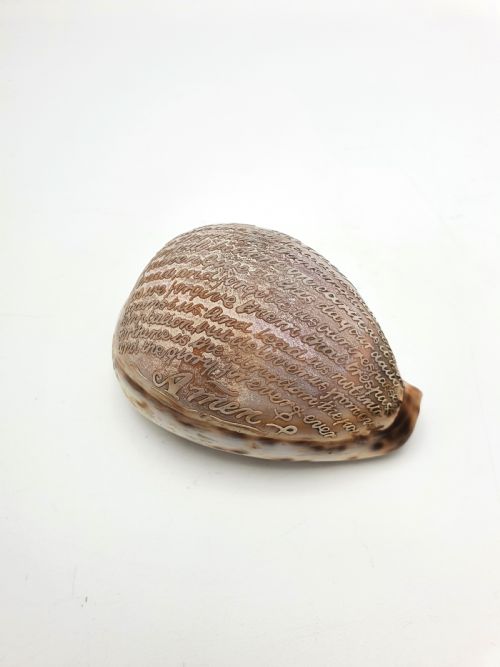
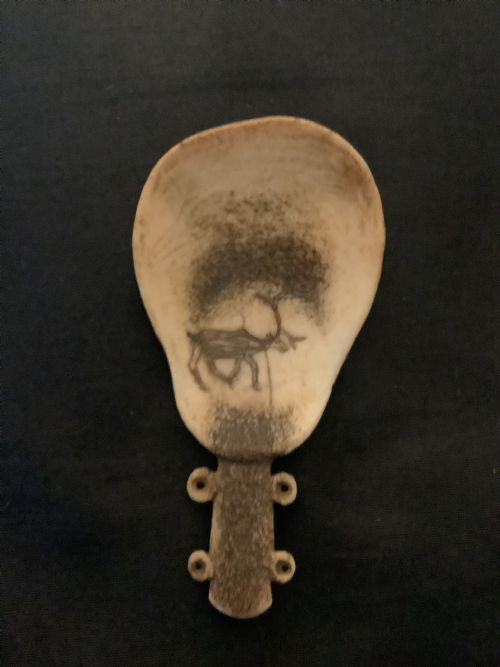
The assortment on this page ranges from functional carved spoons and natural shells to detailed sculptural figures and theatrical props. Materials stretch from bog oak and boxwood to bone, horn, and ivory.
Buyers encountering this phrase often find works tied to specific historical aesthetics, such as Gothic revival, Italian and German baroque, or Inuit tribal art. Each piece reflects the nineteenth and twentieth-century taste for assembling eclectic wonders.
Materials and methods
Carvers shaped these pieces using dense organic materials like boxwood, bone, horn, and bog oak, which allow for intricate detail at a small scale. Ivory and cedar also appear, often paired with metal components or glass housings.
Techniques range from minute figurative sculpting to the natural modification of shells and animal crania. Artisans combined traditional woodcarving with specialised turning and scrimshaw methods to render anatomical teaching models and miniature ruins.
Cabinet of Curiosities Carving Retail Price Guide 2026
Typical asking prices for cabinet of curiosities carving among the pieces listed under this phrase on Sellingantiques today, from the lower quarter to the upper quarter. They describe what is for sale here now, not the wider market.
The listings on this page span several centuries, featuring pieces made from natural bone, bog oak, wood, and shell across Victorian and earlier periods.
Assessing quality
Quality rests upon the precision of the carving and the fidelity of the anatomical or architectural representation. Sculptures showing superior depth and proportion stand apart from simpler decorative objects.
The integrity of the organic material and the subtlety of surface detail determine the distinction between ordinary workshop output and masterwork creations.
Simon Troger
The Cabinet of Curiosities Carving Glossary
- Memento mori
- An artistic reminder of the inevitability of death, frequently rendered as a carved human skull or skeleton. These items served as philosophical reflections in historical interiors.
- Bog oak
- Subfossil oak timber preserved in peat bogs for millennia, turning a dark brown or black colour. Artisans carved this dense material into intricate miniature architectural ruins and decorative objects.
- Coco de mer
- A large natural double coconut shell prized by early collectors for its unusual shape. It often appeared in cabinets of curiosities as a natural wonder.
- Anatomical model
- A three-dimensional representation of human or animal anatomy used for medical study and teaching. These models were constructed from materials like bone and composition.
Cabinet of Curiosities Carving: Frequently Asked Questions
What fits in a cabinet of curiosities?
These displays traditionally held a mixture of natural history specimens, miniature sculptures, anatomical models, and carved organic objects. Collectors gathered items that bridged art, science, and the unusual.
Today, a display might combine carved skulls, natural shells, and antique theatre props to recreate the eclectic spirit of historical collections.
How are bone and ivory carvings dated?
Dating relies on stylistic clues, tool marks, and the natural ageing of the material. Victorian and eighteenth-century pieces often show specific hand-carving techniques and distinct patination.
Examining the underlying medium, whether bog oak, boxwood, or antler, helps place an object within its historical period.
How do I care for organic materials?
Organic carvings made from bone, horn, wood, and shell require stable indoor humidity and protection from direct sunlight. Sudden temperature shifts can cause timber and ivory to split.
Gentle dusting with a soft, dry brush is generally sufficient to maintain the surface without damaging the aged patina.