





C 1860 Jewellery
These pieces of c 1860 jewellery capture the ornate detail and varied revival styles of the Victorian era.
C 1860 Jewellery
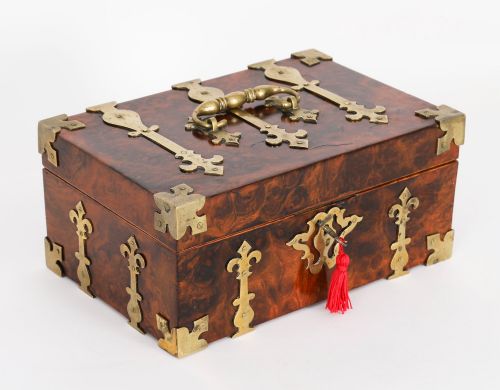
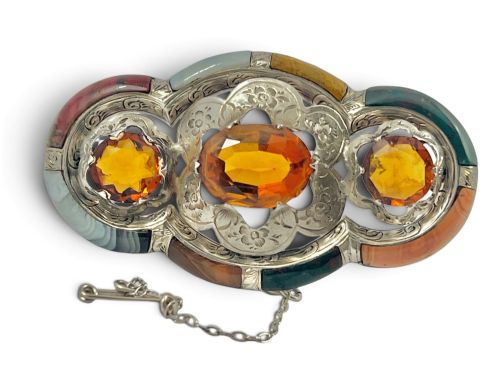
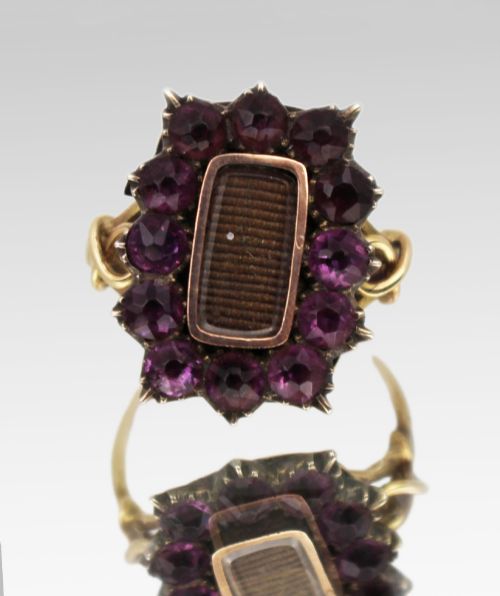
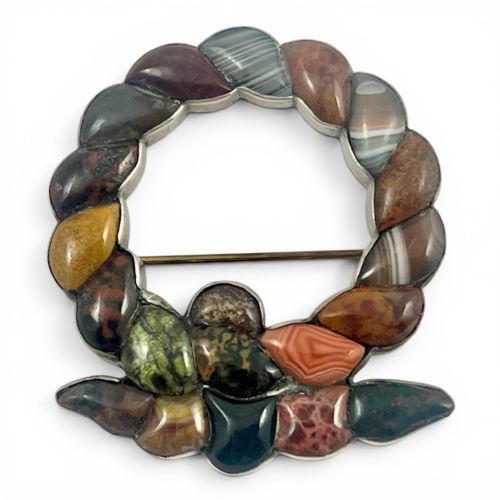
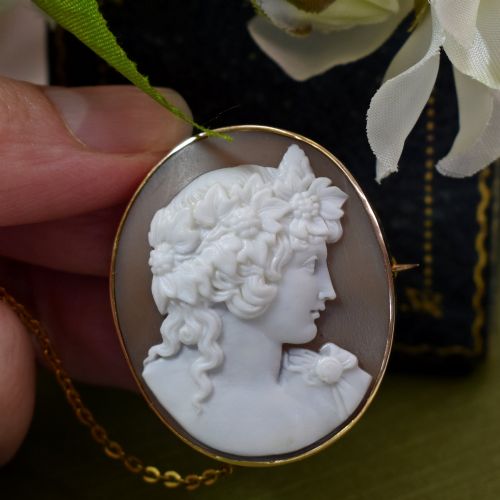
When you search for c 1860 jewellery, you encounter a selection of brooches, necklaces, rings, and decorative boxes from the Victorian period. The pieces demonstrate the distinct aesthetic movements of the mid 19th century, including Scottish Revival, Italian Grand Tour, and Gothic Revival styles. These items span both wearable personal adornments and fitted containers designed to house them.
You are most likely to meet brooches and pins on this page, often featuring materials such as agate, shell cameos, or lava stone. Gold and silver mounts secure these stones, reflecting the craftsmanship typical of the 1860s. Alongside these, various boxes in materials like tortoiseshell, papier-mâché, and exotic woods appear frequently.
How c 1860 jewellery was made
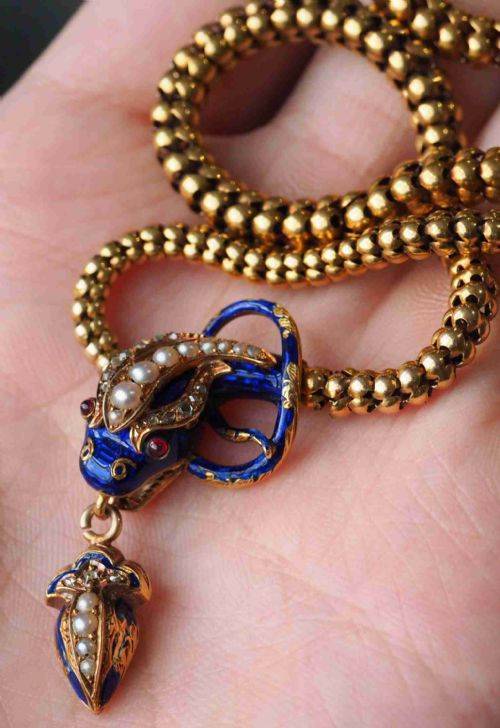
Makers of c 1860 jewellery relied heavily on gold and silver to mount precious and semi-precious stones such as diamonds, pearls, garnets, and citrines. Metalwork techniques of the period included cannetille work and intricate rope-edge mounts. Enamel and purple glass stones also added colour and contrast to rings and necklaces.
Organic and decorative materials played a major role in the construction of both jewellery and boxes. Tortoiseshell with gold and silver piqué inlay, carved lava, shell cameos, and Scottish horn or agate were shaped and polished by hand. Woodworkers utilised bird's eye maple, tulipwood, kingwood, and ebony alongside marquetry for larger decorative items.
C 1860 Jewellery Retail Price Guide 2026
Typical asking prices for c 1860 jewellery among the pieces listed under this phrase on Sellingantiques today, from the lower quarter to the upper quarter. They describe what is for sale here now, not the wider market.
Several boxes and brooches from this decade secretly feature dogs, doves, and serpents tucked into the decorative inlay.
What varies in quality in c 1860 jewellery
The standard of c 1860 jewellery depends heavily on the precision of the hand-carving and the intricacy of the metalwork. Fine examples feature deeply detailed cameos, sharply defined cannetille wirework, and well-matched sets of stones like agate or garnets. Lesser pieces often display simpler mounts and less refined surface decoration.
Material selection and the integrity of the construction also divide the range. Items utilising solid 18ct or 14ct gold, high-grade diamonds, and flawless shell or lava command attention for their durability and visual depth. In contrast, simpler silver gilt or pieces with basic box construction reflect more utilitarian production standards of the period.
The C 1860 Jewellery Glossary
- Cannetille
- A delicate form of wirework ornamentation popular in nineteenth-century jewellery. This technique creates a textured, lace-like pattern resembling gold or silver embroidery.
- Chatelaine
- A decorative belt hook worn with suspended fittings such as keys, watch keys, or small containers. They often feature rococo scrollwork and decorative silver gilt.
- Piqué
- A method of inlaying tiny pins or strips of gold and silver into a non-metallic base such as tortoiseshell. Artisans heated the metal to press it firmly into the organic material.
- Vinaigrette
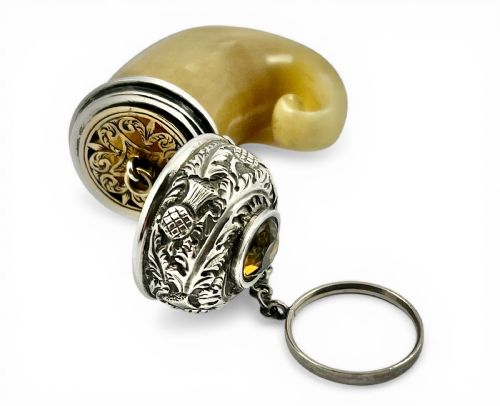
- A small ornamental box fitted with an inner perforated grille to hold a sponge soaked in aromatic vinegar. Victorians carried these to mask unpleasant odours in public spaces.
- Grand Tour
- A cultural journey undertaken by wealthy Europeans in the nineteenth century, resulting in the acquisition of souvenirs like mosaic or micro-mosaic pieces and shell cameos.
C 1860 Jewellery: Frequently Asked Questions
What metals were used for c 1860 jewellery?
Makers of this era predominantly utilised gold, specifically 14ct and 18ct variations, alongside silver and silver gilt. These metals provided secure and malleable settings for gemstones, cameos, and enamel work.
Gold was often worked into intricate wire patterns or heavy cast frames, whilst silver frequently mounted Scottish agate pebbles or lava cameos.
How do I identify a Victorian Scottish Revival piece?
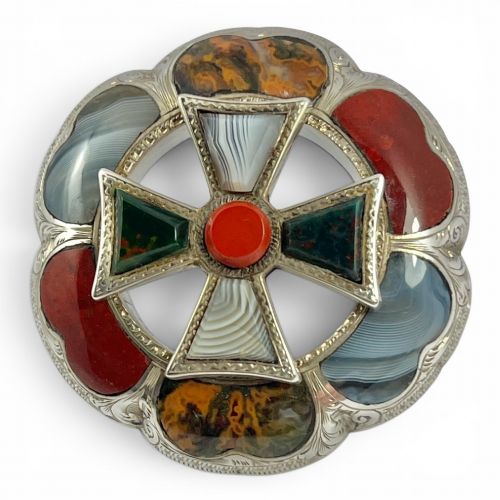
Victorian Scottish Revival items typically feature native hardstones such as grey, red, or banded agates, citrines, and occasionally horn. These stones are usually set within substantial silver or gold mounts decorated with Celtic or traditional motifs.
Items of this type commonly include large pebble brooches, bracelets, and plaid pins popularised during the mid nineteenth century.
How should I care for tortoiseshell piqué boxes?
Tortoiseshell requires gentle handling and should be kept away from direct sunlight, extreme heat, and excessive moisture to prevent warping. Dust the surface softly with a dry cloth and avoid harsh chemical cleaners.
Because the gold and silver piqué inlay is set directly into the organic shell, stable indoor humidity helps protect the metal pins from loosening over time.