


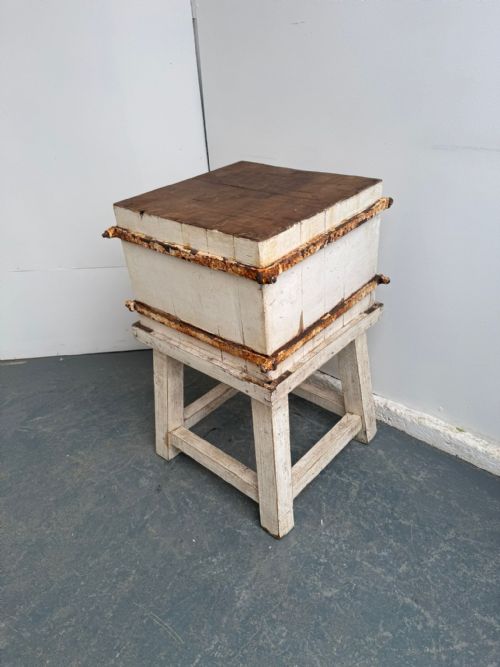


Butchers Block Island
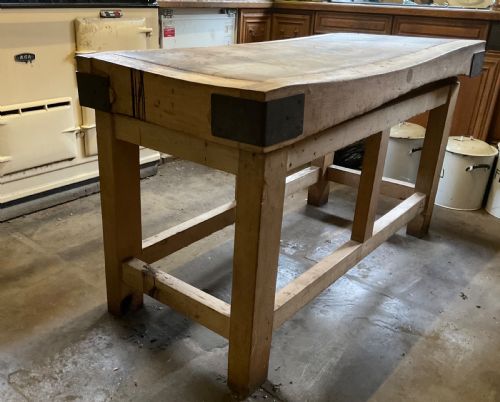
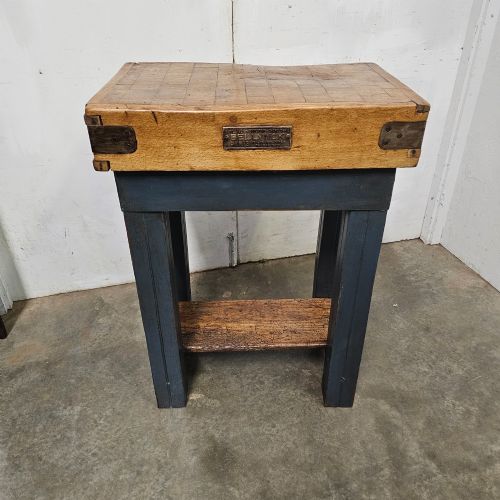
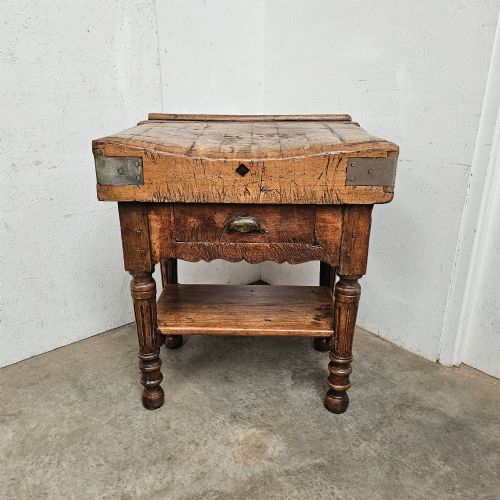
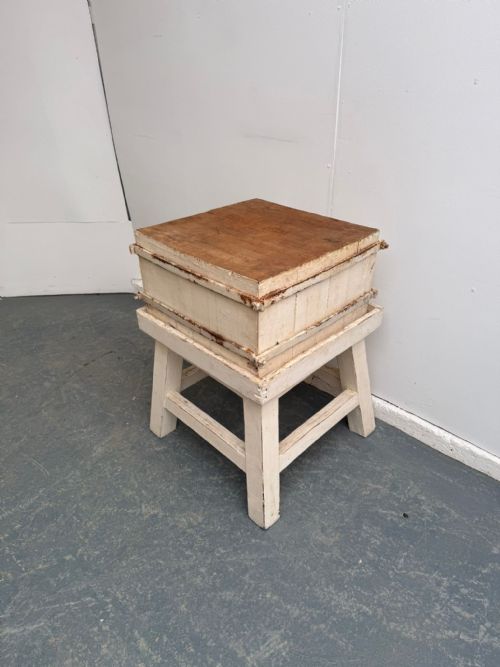
These heavy-duty butchers block island pieces offer solid timber preparation surfaces and sturdy stands that suit modern kitchens.
Butchers Block Island
A butchers block island brings heavy-duty preparation surfaces and robust stands into domestic kitchens, serving as both a functional workspace and a central piece of furniture. When searching for a butchers block island, buyers encounter substantial chopping tops supported by painted or decorative bases.
The selections span French provincial, Victorian country, and industrial styles, reflecting origins from England, France, and Hungary. These forms range from dedicated chopping blocks on stands to country house prep tables and large kitchen preparation tables.
Examples date from the nineteenth century through to the mid twentieth century, encompassing periods such as the Victorian era and the nineteen twenties. Each piece demonstrates the utilitarian origins of heavy kitchen furniture adapted for contemporary use.
Materials and construction
Construction relies heavily on dense hardwoods, with beech, elm, oak, pine, and general hardwood providing the thick, enduring surfaces required for heavy chopping. These robust timbers are joined to form deep end-grain or edge-grain tops that withstand daily culinary labour.
Bases incorporate metal, iron, and steel components alongside painted wooden stands, occasionally featuring decorative details or bronzed mounts. The marriage of heavy wooden blocks with metal framing or painted stands defines the structural integrity of these items.
Butchers Block Island Retail Price Guide 2026
Typical asking prices for butchers block island among the pieces listed under this phrase on Sellingantiques today, from the lower quarter to the upper quarter. They describe what is for sale here now, not the wider market.
Some nineteenth-century French blocks still whisper secrets of long-forgotten butcher shops through the gentle rounding of their heavily hammered chopping corners.
Assessing quality and authenticity
Quality rests in the thickness and original density of the timber top, alongside the integrity of the supporting stand whether painted iron or hardwood. Superior examples maintain their substantial proportions and structural soundness through decades of practical use.
The distinction between standard utility items and finer examples often lies in the quality of the base, such as decorative French stands, stamped maker details, or retained original painted finishes. Untouched surfaces and authentic period hardware elevate the character of the piece.
Trussant & Cie·Hennes France
The Butchers Block Island Glossary
- Butchers block
- A thick, heavy wooden block designed for meat preparation and chopping. These surfaces show the deep patination of working use.
- Prep table
- A utilitarian table used for food preparation in large kitchens and country houses. They offer expansive wooden tops over sturdy wooden frames.
- French provincial
- A regional style originating from the French countryside, combining rustic practicality with simple decorative shaping. It frequently appears in nineteenth and early twentieth century kitchen furniture.
- Victorian industrial
- A style combining nineteenth century manufacturing methods with heavy-duty utilitarian function. Iron and steel components are often integrated into wooden furniture from this period.
Butchers Block Island: Frequently Asked Questions
How do I maintain a wooden butchers block island top?
Maintain the timber top by regular oiling with food-safe mineral oils to prevent drying and cracking from kitchen use.
Avoid soaking the wood in water and clean the surface using a damp cloth rather than harsh detergents.
Can I use these blocks for heavy food preparation?
These pieces were originally constructed for professional butchery and heavy culinary prep work. Their thick hardwood tops remain entirely suitable for chopping and food preparation today.
Ensure the stand is level and stable on your kitchen floor before undertaking heavy tasks.
How do I date an antique butchers block?
Dating relies on examining the timber species, construction joints, wear patterns, and the style of any iron or metal mounts. Nineteenth-century examples often feature hand-cut joinery and heavy patina.
Maker stamps or painted signatures on the base or mounts can also provide specific chronological markers.
Are painted bases original on these blocks?
Many blocks feature original or later painted finishes that protected the wooden stands from damp kitchen environments. Examining the layers of paint helps determine whether the finish is period-authentic or a later restoration.
Both original painted surfaces and cleaned timber bases appear frequently across these listings.