





Burr Wood Table Box
A burr wood table box is a compact, decorative container displaying distinctive swirling grain patterns, prized for both tabletop display and secure storage.
Burr Wood Table Box
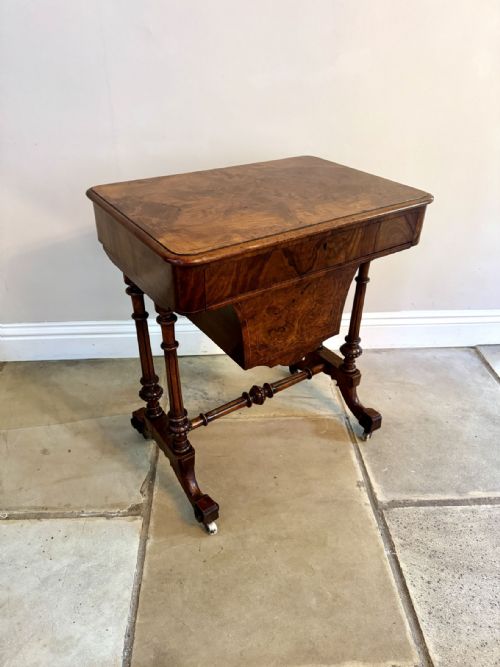
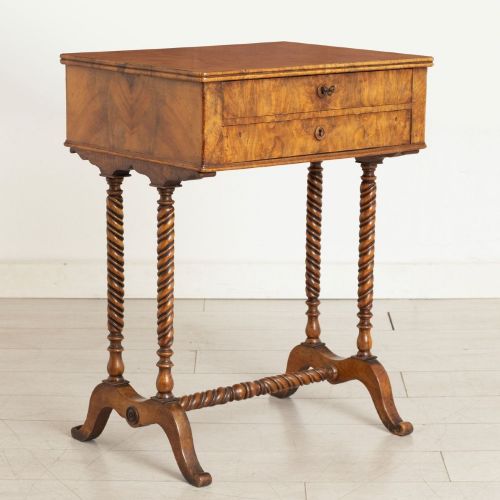
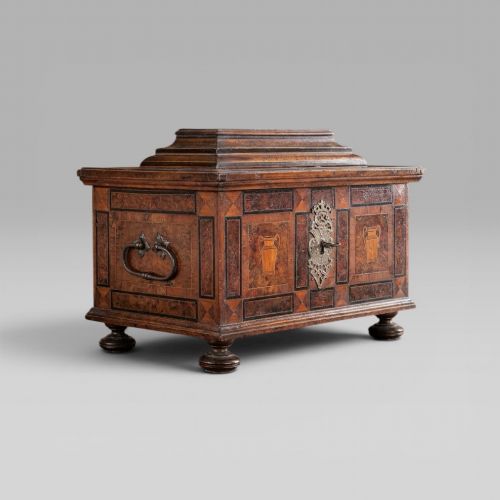
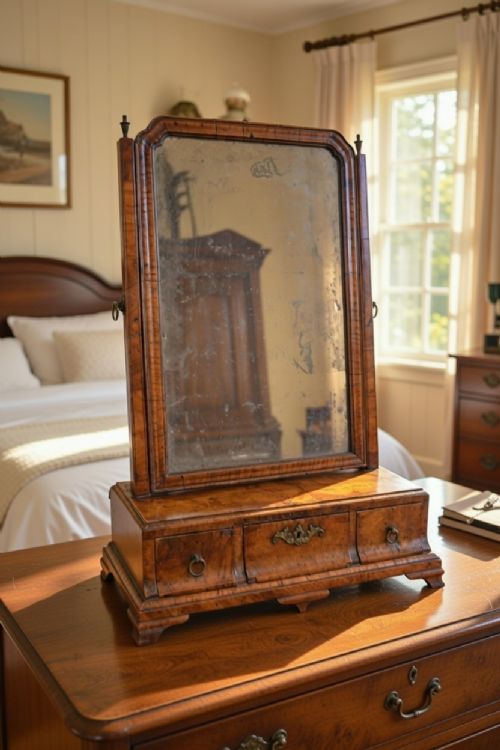
A burr wood table box brings rich, organic grain patterns directly onto a surface, functioning as a practical container or a decorative accent. These pieces encompass various forms designed to sit upon furniture, ranging from small caskets and jewellery boxes to larger teapoys and work tables.
The selection on this page draws from multiple eras, including Georgian, Victorian, and Regency periods. While table boxes appear frequently, the evidence also records larger items such as games tables and work tables utilising similar figured veneers.
Origin points span English, French, and Scandinavian workshops, demonstrating diverse regional tastes in timber selection and construction. Makers utilised distinct species like walnut, yew, birch, and elm to create striking visual effects.
How they were made
Craftsmen applied thin veneers of burr timber over stable secondary woods to showcase complex, knotted grain patterns without risking the structural instability of solid burr. Species such as burr walnut, burr yew, and burr birch provide the characteristic swirling figures seen across these items.
Secondary materials like brass, glass, boxwood, and tulipwood frequently appear as stringing, hinges, locks, and internal compartments, adding structural contrast to the primary burr surfaces. Traditional joinery techniques secure the frames, ensuring durability across centuries of handling.
Burr Wood Table Box Retail Price Guide 2026
Typical asking prices for burr wood table box among the pieces listed under this phrase on Sellingantiques today, from the lower quarter to the upper quarter. They describe what is for sale here now, not the wider market.
What varies in quality
The visual impact depends largely on the density and symmetry of the burr figuring across the primary surfaces, with tightly packed knots commanding greater visual interest. Master craftsmen carefully matched veneer panels across lids and sides to create continuous, balanced patterns.
Integration of secondary timbers, fine boxwood stringing, and the original brass or lock hardware differentiate standard production items from more ambitious examples. The crispness of internal fittings and the retention of original polished finishes further distinguish finer specimens.
Waring & Gillow
The Burr Wood Table Box Glossary
- Burr wood
- A growth deformity on a tree where grain grows in a deformed, swirling pattern, producing highly decorative veneer when sliced. It creates the characteristic mottled appearance on these boxes and tables.
- Teapoy
- A small stand or box designed originally to hold containers of loose tea, often featuring internal caddies. They frequently incorporate burr veneers in Regency and Victorian examples.
- Work table
- A small, movable table equipped with compartments, bags, or drawers for sewing and needlework supplies. Many surviving examples feature burr walnut or mahogany veneers.
- Stringing
- A narrow inlay of contrasting wood, such as boxwood, set flush into the surface to outline panels or edges. It provides a sharp linear boundary against darker burr timbers.
- Casket
- A decorative box or chest, usually with a hinged lid, used for storing valuables or correspondence. Early examples often employ heavy timber construction and iron or brass mounts.
Burr Wood Table Box: Frequently Asked Questions
What is a burr wood table box used for?
These boxes serve as decorative desk accessories, jewellery holders, or storage vessels for small keepsakes on tabletops and sideboards.
Their compact size allows them to integrate easily into domestic spaces while displaying decorative wood grains.
How do I identify the period of a box?
Dating relies on observing construction methods, secondary timbers, hardware styles, and overall design motifs associated with eras like the Regency or Victorian periods.
Examining internal linings and lock mechanisms also provides clues regarding manufacturing dates.
How should I care for burr wood surfaces?
Keep wooden pieces away from direct sunlight and extreme humidity fluctuations to prevent veneer cracking or fading.
Apply a microcrystalline wax periodically to maintain the sheen of the polished wood surface.
What is the difference between a box and a teapoy?
A table box sits directly on a surface as a portable container, whereas a teapoy is typically a standalone piece supported by a pillar and base, fitted for tea storage.
Teapoys often include internal mixing bowls and removable canisters alongside compartments for dry leaves.