




Burr Wood Low Table
A burr wood low table brings intense natural grain patterns and rich warmth to a room at a comfortable resting height.
Burr Wood Low Table
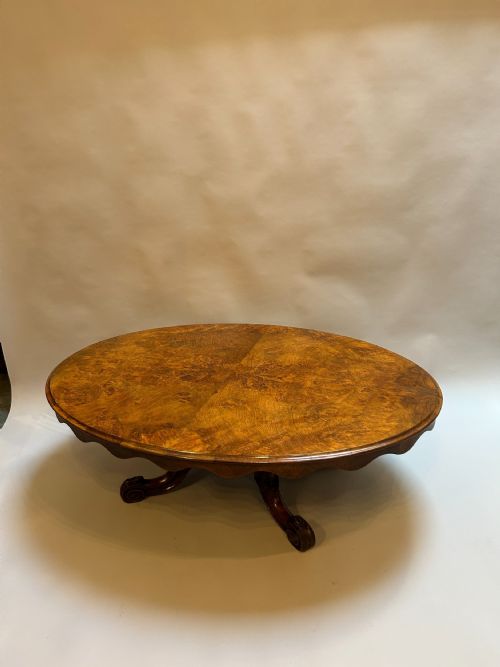
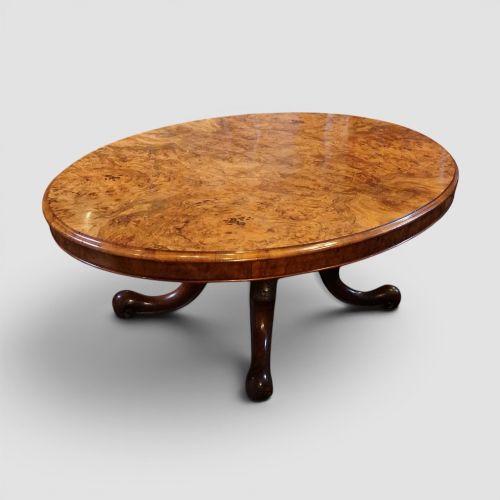
A burr wood low table is a short-stature furnishing featuring the swirling, knotty grain patterns harvested from tree growths, commonly appearing as coffee tables or occasional tables. These pieces draw the eye through complex natural figuring rather than plain timber surfaces. Buyers searching for a burr wood low table will find examples originating from the nineteenth century up through the art deco period.
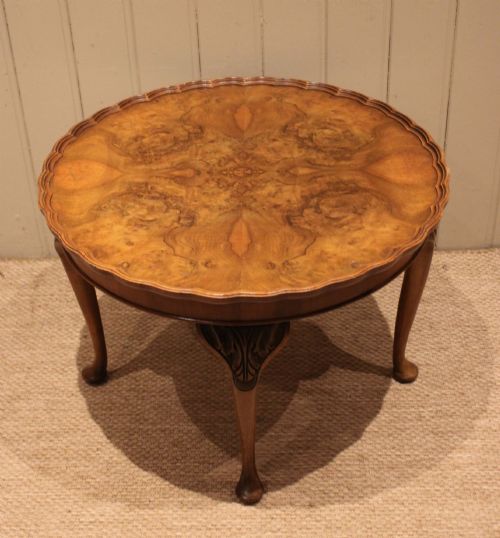
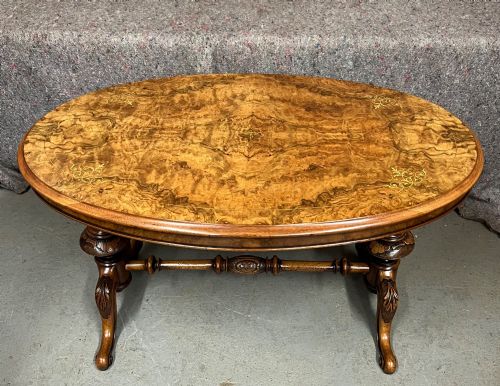
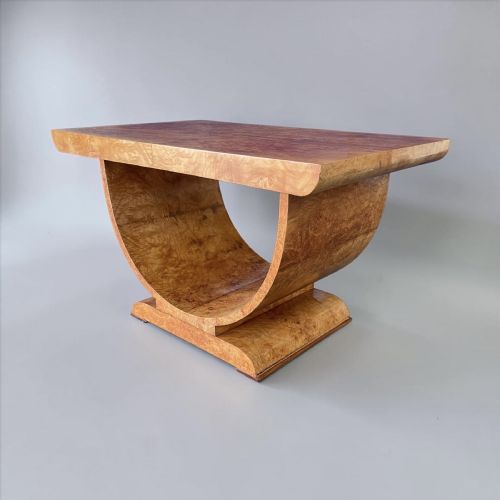
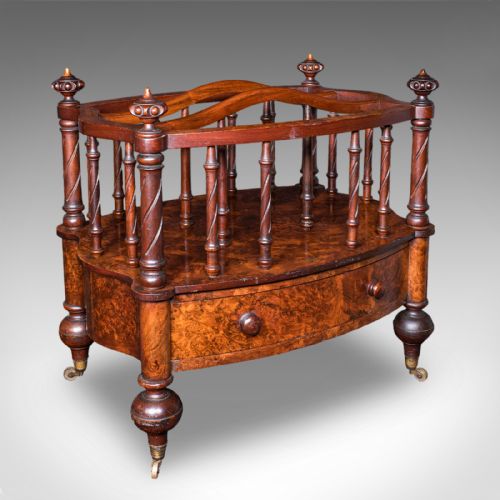
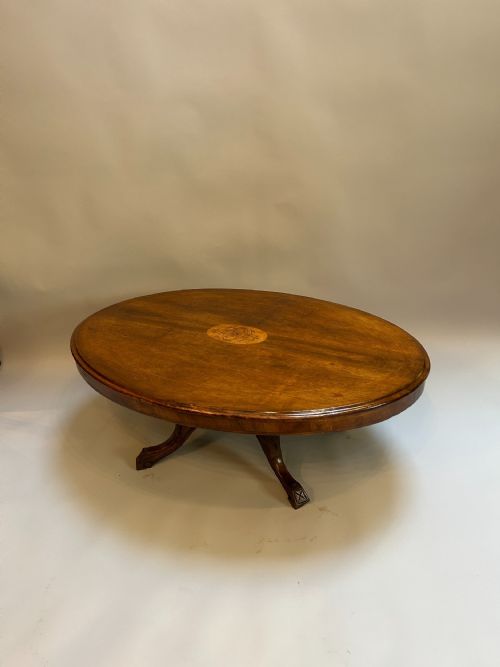
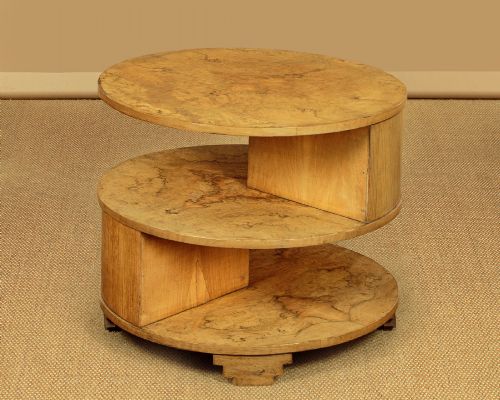
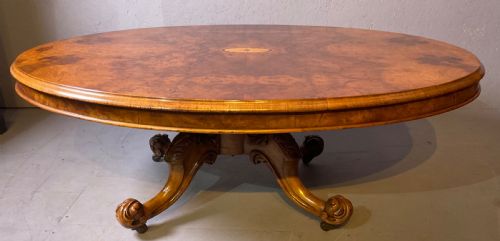
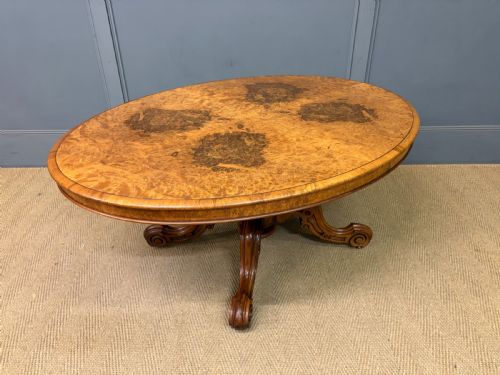
The selections available here span diverse historical revivals and modernist periods, including Victorian, Regency, and Art Deco designs. Many pieces utilise walnut and burr walnut veneer, alongside occasional variations in burr maple, burr elm, and burr yew wood. Formats range from circular and oval tops to octagonal shapes and lowboy configurations.
Victorian examples frequently pair rich burr walnut tops with carved timber or modern cast iron tripod bases, whilst nineteen-thirties pieces favour cleaner geometric lines in bleached walnut or burr maple. Occasional items such as small Sutherland tables and lowboys also serve the function of low-level surface placement. Each variation offers a distinct proportion while retaining the characteristic mottled grain of burr timber.
How they were made
Cabinet makers constructed these tables by applying fine veneers of burr walnut, maple, elm, or yew onto stable secondary timber bases. This technique allowed craftsmen to display the intricate, swirling knots of the tree growth across wide surface areas without risking the structural warping inherent in solid burr wood. Brass accents and detailed inlay work frequently supplemented the primary timber construction.
Support structures varied significantly by period, utilising turned wooden pedestals, carved cabriole legs in Queen Anne styles, or simpler tripod bases. Nineteenth-century pieces often relied on traditional joinery and hand-carved details, whereas nineteen-thirties pieces sometimes integrated bleached finishes or streamlined frames. The synthesis of figured veneers with sturdy timber or iron framing defined the manufacturing process across all eras.
Burr Wood Low Table Retail Price Guide 2026
Typical asking prices for burr wood low table among the pieces listed under this phrase on Sellingantiques today, from the lower quarter to the upper quarter. They describe what is for sale here now, not the wider market.
One unexpected table pairs a Victorian burr walnut top with a modern cast iron tripod base, proving historical timber loves a contemporary twist.
What varies in quality
The visual impact of a burr wood low table depends heavily on the density and symmetry of the grain figuring across the surface. Finer examples display tightly packed, unblemished swirling patterns that cover the tabletop evenly, while simpler pieces show sparse or uneven figuring. The skill with which the veneer was laid and matched determines the overall cohesion of the design.
Construction methods and material selection also set pieces apart, distinguishing standard production work from finer craftsmanship. Tables featuring solid timber framing, meticulous inlay work, and robust structural joinery represent a higher standard of manufacture than those reliant on basic secondary woods or hasty assembly. The integrity of the finish and the preservation of the delicate burr veneer dictate the enduring quality of each piece.
The Burr Wood Low Table Glossary
- Burr wood
- A growth on a tree where the grain has grown in a deformed, swirling manner, producing highly decorative patterns when sliced into veneer. Cabinet makers prized these sections for ornamental tabletops.
- Veneer
- A thin slice of superior wood applied to a base of common timber to provide an expensive decorative surface without excessive weight or cost. This technique protected against warping while showcasing intricate grain.
- Lowboy
- A small antique table with drawers, built with short legs, which functions well as a low-level surface. These forms appeared in various periods including the early twentieth century.
- Occasional table
- A small table designed for intermittent use in a sitting room or drawing room. They appear in circular, oval, and octagonal formats across Victorian and art deco eras.
- Pie crust
- A carved, raised decorative edge shaped in undulating curves resembling a pastry crust. This detail typically appears on the circular top of an antique walnut table.
Burr Wood Low Table: Frequently Asked Questions
What is a burr wood low table used for?
These tables provide a convenient surface for holding drinks, books, or decorative objects within a living space. Their lower height makes them suitable for positioning alongside sofas and armchairs.
Historically, many tables adapted for this purpose began as taller occasional pieces or were specifically constructed during the nineteenth and twentieth centuries to serve seating areas.
What is the difference between walnut and burr walnut?
Standard walnut displays a relatively straight and predictable grain pattern with uniform colouration across the timber. Burr walnut comes from a tree growth or burl, resulting in chaotic, swirling knot formations.
Because of its decorative appeal, burr walnut was sliced into thin veneers and applied to the primary surfaces of fine tables.
How should I care for a burr wood table?
Protect the delicate veneer surfaces by using coasters and avoiding direct placement under harsh sunlight or near strong heat sources. Regular dusting with a soft, dry cloth preserves the polished finish.
Keep humidity levels in the room stable to prevent any movement in the timber base or lifting of the veneer layers.